




Why Raw Veggies Get Risky
The high humidity and dampness of the monsoon create a perfect breeding ground for bacteria, fungi, and other microbes. Vegetables, especially leafy greens like spinach and cabbage or cruciferous ones like cauliflower and broccoli, have many nooks and crannies
where these pathogens can hide. Water sources used for irrigation and washing can also be contaminated during this season, increasing the risk of water-borne illnesses like typhoid, cholera, and gastrointestinal infections. Even a thorough wash with plain water might not be enough to eliminate all the harmful microorganisms clinging to your produce. Raw vegetables, therefore, carry a higher risk of introducing these unwanted guests into your system, potentially leading to stomach upsets, infections, and a generally unpleasant time when you'd rather be enjoying the rain.
The Ayurvedic Angle: A Weaker Digestive Fire
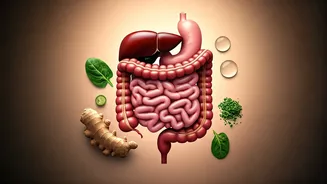
For centuries, Ayurveda has guided seasonal eating habits in India. According to its principles, the monsoon season, or 'Varsha Ritu', is a time when the 'agni' or digestive fire is naturally at its weakest. The body's metabolism slows down, making it harder to break down and digest food, especially raw and cold items. Eating raw vegetables during this period is believed to further burden the digestive system, potentially leading to issues like bloating, gas, and indigestion. Ayurvedic wisdom recommends light, warm, and easily digestible foods. Cooking vegetables makes them softer and easier for a sluggish digestive system to process, aligning perfectly with this age-old philosophy of eating in harmony with the seasons.
Cooking: Your Best Defence
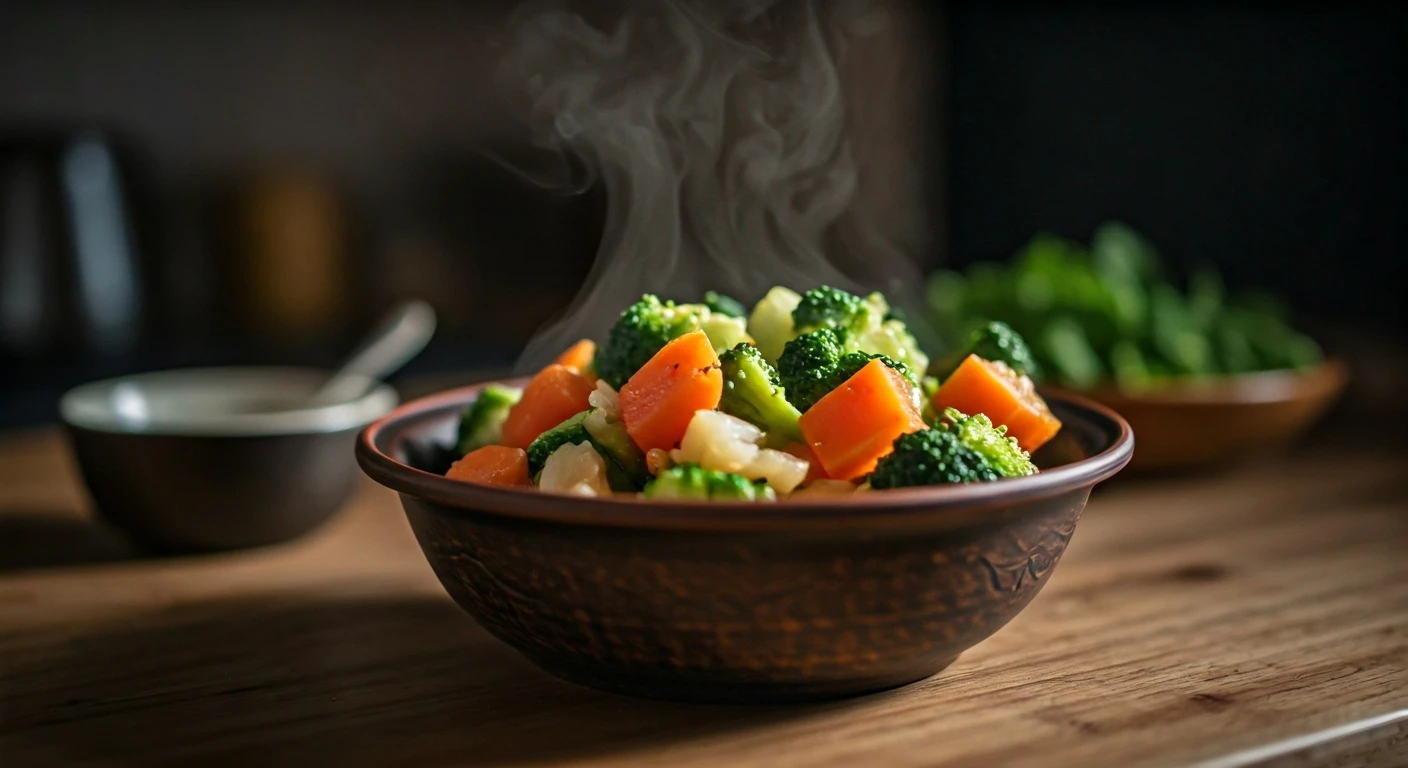
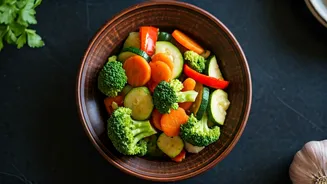
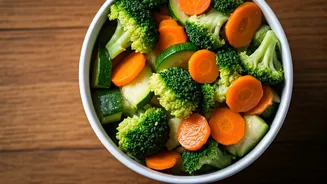
The simple act of cooking is your most powerful tool against monsoon-related foodborne ailments. Applying heat—whether through boiling, steaming, stir-frying, or roasting—effectively kills most harmful bacteria and viruses that may be present on your vegetables. This process not only makes your food safer but also offers other benefits. For some vegetables, cooking can break down tough cell walls, making their nutrients more bioavailable, meaning your body can absorb them more easily. Think of it as pre-digesting your food. A warm, cooked meal is also inherently comforting and nourishing, providing a sense of wellness that a cold salad might not during the damp, cool days of the monsoon.
Smart Monsoon Vegetable Choices
While cooking is key, choosing the right vegetables also helps. It's wise to favour seasonal gourds like lauki (bottle gourd), tori (ridge gourd), and parwal (pointed gourd). These vegetables have high water content, are easy to digest, and are less likely to be contaminated. Root vegetables like potatoes, sweet potatoes, and yams are also excellent choices, as they are less exposed to surface contaminants. Be extra cautious with leafy greens. If you must have them, ensure they are washed meticulously in a solution of warm water and salt or vinegar before being thoroughly cooked. It's generally a good idea to avoid pre-cut vegetables and salads from outside vendors, as you have no control over their hygiene practices.
Delicious Ways to Enjoy Cooked Veggies
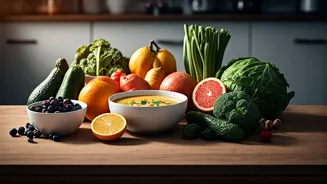
Saying goodbye to raw salads doesn't mean your meals have to be boring. The monsoon is the perfect excuse to explore the world of warm, comforting vegetable dishes. Start your day with a hearty vegetable upma or poha. For lunch and dinner, light and flavourful subzis, comforting dals with added vegetables like spinach or lauki, and wholesome khichdis are all fantastic options. This is also the ideal season for soups. A simple tomato shorba, a mixed vegetable soup, or a lentil and vegetable stew can be both nutritious and deeply satisfying. Even a simple stir-fry with minimal spices allows the vegetables' natural flavours to shine through while ensuring they are safe to eat. Embrace the warmth and let your monsoon plate be a source of both comfort and health.