





As November's chill settles in, it's time to give your balcony garden a final, crucial bit of attention. A strategic prune of your perennial plants is one of the most important tasks to ensure they return healthy and vibrant next spring.
Why Pruning in Autumn Matters
A good autumn
clean-up does more than just make your balcony look tidy. Pruning perennials after a few hard frosts helps prevent diseases and pests from taking hold over winter. Dead or dying foliage can harbour fungal spores and insect eggs, which can cause problems next year. By cutting back specific plants, you remove this potential habitat. This process also encourages the plant to direct its energy towards its roots, preparing it for a strong comeback in the spring. For plants grown in containers, which are more exposed to the elements, this pre-winter prep is especially vital for their survival and vigour.
The Right Tools for Clean Cuts
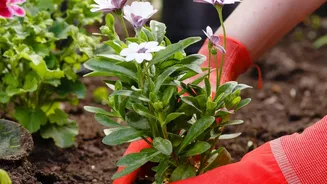
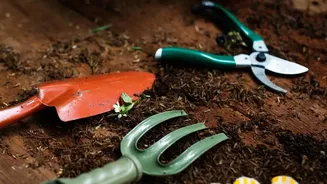
You don’t need an extensive toolkit for this job, but using the right tools makes a significant difference. A sharp, clean pair of bypass pruners is your best friend. Unlike anvil pruners, which crush stems, bypass pruners make a clean slicing cut, much like scissors. This causes less damage to the plant tissue and helps it heal faster, reducing the risk of disease. Before you start, and between plants, it's a good idea to wipe the blades with a disinfectant to prevent spreading any potential plant diseases from one pot to another. A pair of gardening gloves will protect your hands.
Perennials to Prune After a Frost
Once a few hard frosts have caused the foliage to die back, it’s time to act. Focus on perennials that become limp and unsightly or those prone to disease. Cut the stems down to about two to six inches from the soil line. Leaving a short stub helps mark the plant's location so you don't disturb it in the spring. Good candidates for a November prune include:
Hostas: Their leaves turn mushy after a frost and can harbour slug eggs. It's best to remove them completely.
Daylilies (Hemerocallis): The foliage will die back and can look messy. Cutting it back keeps the space tidy.
Peonies (Paeonia): These are prone to fungal diseases like blossom blight. Cut them back to near the soil level to reduce the risk of infection overwintering in the old foliage.
Bee Balm (Monarda): If your plant suffered from powdery mildew during the summer, cutting it back is essential to prevent the disease from returning next year.
Garden Phlox: Like bee balm, phlox is often affected by powdery mildew, so it benefits from being cut down.
Hold Your Shears: Plants to Leave Alone
Not all perennials should be cut back in the autumn. Many provide crucial benefits over the winter. Some have beautiful seed heads that add structure to the winter landscape and provide food for birds like goldfinches. Others have woody stems or evergreen foliage that help protect the plant's crown (the base where stems meet roots) from harsh winter cold. For these plants, it’s best to wait until early spring to tidy them up. Plants to leave standing include:
Coneflower (Echinacea) and Black-Eyed Susan (Rudbeckia): Their seed heads are a vital food source for birds and look lovely dusted with frost.
Ornamental Grasses: Their foliage provides wonderful winter interest and movement in the wind. Cut them back in early spring before new growth appears.
Sedum (Autumn Joy and similar varieties): The sturdy, dried flower heads hold up well through winter, providing texture and form.
Russian Sage (Perovskia): Its woody stems help protect the crown. Pruning in fall can make it more vulnerable to winter damage.
Coral Bells (Heuchera): Many are semi-evergreen, and the foliage adds a touch of colour to the winter balcony while protecting the plant.
After the Cut : Winter Protection in Pots
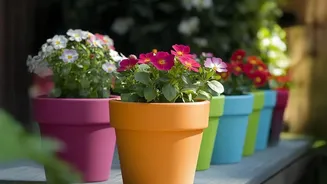
Pruning is just one step in winterizing your balcony garden. Plants in containers are more vulnerable to cold because their roots are not insulated by the earth. After pruning, consider giving your pots some extra protection. Grouping them together against a wall can create a more sheltered microclimate. For particularly tender perennials, you can wrap the pots in bubble wrap or burlap to insulate the roots from freezing temperatures. A layer of mulch, like straw or wood chips, on top of the soil can also provide a protective blanket. Finally, ensure your pots have good drainage so they don't become waterlogged and freeze solid.