






The Return of Royal Icing
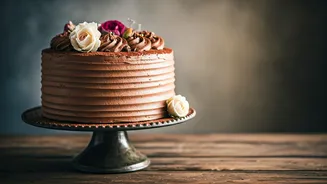
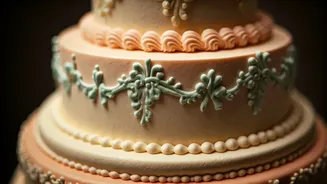
The trend that has bakers and customers swooning is the revival of Lambeth-style cakes. Named after Joseph Lambeth, who popularized the elaborate piping method in the 1930s, this style is all about maximalism. Think intricate layers of piped scrolls,
swags, delicate lacework, and dramatic shells, often in pastel hues or soft, elegant palettes. It's a far cry from the sleek, minimalist fondant cakes that have dominated recent years. This style, also sometimes called Victorian or Marie Antoinette, is distinguished by its sheer artistry and the skill required to execute it by hand. Bengaluru and Delhi-based bakeries report a surge in daily orders for these creations, which are becoming the centrepiece for birthdays, weddings, and baby showers.
A Slice of Sweet History
The Lambeth method has its roots in 19th-century English cake decorating, an era when cake artistry was considered an elite skill. Joseph Lambeth's 1934 book, 'The Lambeth Method of Cake Decoration and Practical Pastries', became a bible for bakers, codifying the techniques for creating these stunning, three-dimensional designs with royal icing or buttercream. For many in India, this style also evokes a more personal nostalgia, reminiscent of the classic, cream-swirled birthday cakes that were a mainstay of celebrations up through the 1990s, before modern gateaux and fondant art took over.
Why Is It Trending Now in India?
The resurgence is driven by a perfect storm of factors. Firstly, social media platforms like Instagram and Pinterest have made these visually stunning cakes a viral sensation, especially among Gen Z who prize aesthetically pleasing content. The popularity of period dramas like 'Bridgerton' has also fueled a romantic, Regency-era aesthetic that these cakes perfectly capture. However, Indian bakers believe it goes deeper than a passing trend. Joonie Tan of Lavonne Cake Studio in Bengaluru points to an emotional connection, suggesting that people are drawn to the old-school, romantic feel that reminds them of family celebrations and vintage tea parties. It's a powerful mix of 'nostalgia-meets-trend'. This return to classic techniques is also seen as a reaction against the often flavourless, sculpture-like quality of hyper-realistic fondant cakes. Bakers and consumers are prioritizing taste and traditional artistry once more.
An Artisanal Craft
Creating a Lambeth cake is a labour-intensive art form. A single cake can take several hours to decorate, as bakers painstakingly pipe every detail by hand. This level of craftsmanship makes each cake a unique masterpiece. While the classic look involves buttercream or royal icing, Indian bakers are also innovating with flavours that appeal to the local palate. Some bakeries are pairing the vintage look with classic sponges like decadent chocolate or lemon and raspberry. Others are inspired by their own childhoods, like Mysuru-based SAPA Bakery, which launched a vintage collection featuring a classic Black Forest cake with a modern twist. This fusion of timeless design and beloved flavours is proving to be an irresistible combination for Indian celebrations.