


Meet India's 101st Ramsar Site
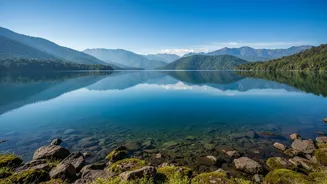
On August 3, 2026, Glaw Lake in Arunachal Pradesh was designated as India's 101st Ramsar site. This pristine freshwater lake, located within the Kamlang Tiger Reserve and Wildlife Sanctuary, is the first in the state to receive this globally recognized
status. Fed by mountain streams and surrounded by lush forests, Glaw Lake is a biodiversity hotspot in the Eastern Himalayas, hosting over 150 tree species and 49 types of orchids in its immediate vicinity. The announcement by the Union Environment Minister highlighted the country's rapid expansion of its protected wetland network, which has grown from 26 sites in 2014 to 101 today. While every addition is a win for conservation, the location of Glaw Lake is particularly significant.
More Than Just a Label
So, what does it mean to be a Ramsar site? The designation comes from the Ramsar Convention, an international treaty signed in 1971 to promote the conservation and sustainable use of wetlands. When a wetland is added to this list, it gains international recognition and signifies a government's commitment to its protection. These sites are chosen for their international importance in sustaining ecological balance, providing critical habitats for wildlife, and their overall value to humanity. For India, a country with diverse ecosystems from coastal marshes to high-altitude lakes, the Ramsar framework provides a crucial tool for conservation amid threats like urbanisation, pollution, and climate change.
A Strategy Beyond the Floodplains
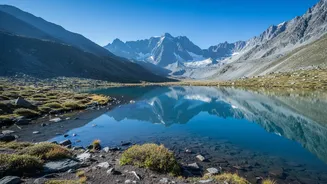
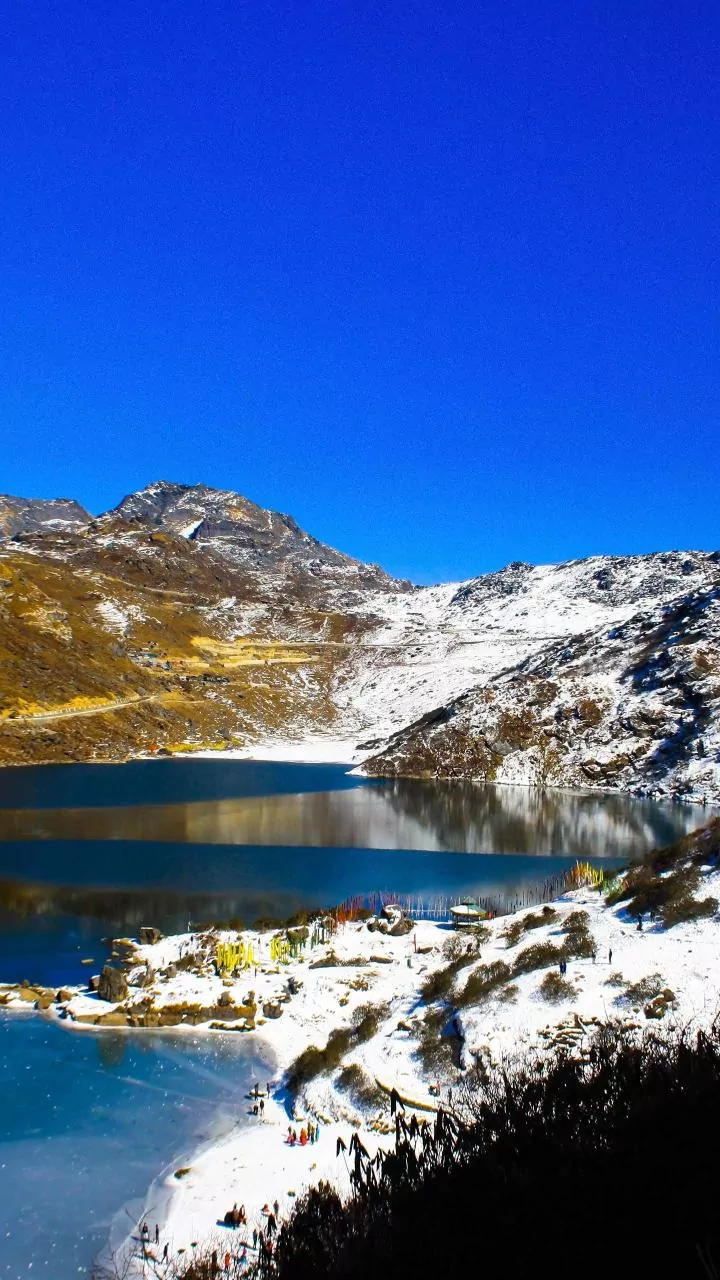
For years, the story of India's wetlands was often dominated by large, famous sites in the Gangetic plains or coastal deltas, like Chilika Lake and Keoladeo National Park, which were the country's first Ramsar sites. While these are undeniably critical, the designation of Glaw Lake highlights a growing and necessary focus on ecosystems in other geographies—specifically, high-altitude wetlands (HAWs). India has a vast network of HAWs across the Himalayas, often located above 3,000 metres. These unique environments, from Tso Moriri in Ladakh to Khecheopalri in Sikkim, are now being increasingly recognized for their outsized role in regional ecology and water security, shifting the conservation lens beyond the plains.
The Outsized Importance of High-Altitude Wetlands
High-altitude wetlands are far more than just scenic mountain lakes. Often fed by glaciers and snowmelt, they are the headwaters for many of Asia's great rivers, regulating water flow for countless downstream communities. They act as crucial habitats for unique and endemic species, including the Black-necked crane, and serve as vital stopover points for migratory birds along the Central Asian Flyway. These ecosystems, sometimes called the 'kidneys of the environment', also play a significant role in climate regulation. Protecting them is not just about preserving biodiversity; it's about ensuring water security for millions and building resilience against the impacts of climate change.
Challenges on the Horizon
Despite their importance, high-altitude wetlands face a unique set of threats. Their pristine and sensitive nature makes them highly vulnerable to disturbances. Unregulated tourism, infrastructure development, over-extraction of resources, and pollution from nearby settlements are significant concerns. Military installations in these border regions, while necessary for national security, can also impact the delicate hydrology of these wetlands if not scientifically sited. Furthermore, climate change poses a grave threat, with warming temperatures accelerating glacial melt and altering precipitation patterns, which directly impacts the health and existence of these vital ecosystems.