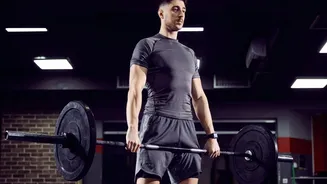





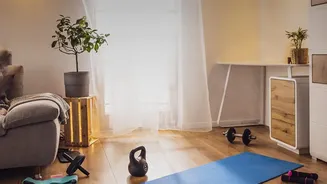
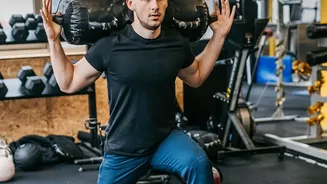

The work-from-home grind has blurred the lines between office and home, often leading to longer, more sedentary hours. But a counter-movement is growing: professionals are reclaiming their time with brief, powerful home strength sessions.
The Sedentary Reality of Remote Work
The daily commute
is gone, but so are the natural, small movements that came with it—walking to a meeting room, stepping out for lunch, or climbing office stairs. Studies show that working from home often leads to a significant increase in sedentary time and a decrease in overall physical activity. This prolonged sitting is linked to a higher risk of back pain, poor posture, cardiovascular issues, and metabolic slowdown. While the flexibility of remote work is a major benefit, professionals are now confronting the hidden physical costs of a desk-bound life where the only commute is from the bedroom to the 'office' down the hall.
The Rise of 'Exercise Snacking'
Instead of trying to carve out a full hour for the gym, many are turning to a more flexible and sustainable approach: 'exercise snacking'. This concept involves short, intentional bursts of activity, typically lasting just one to ten minutes, spread throughout the day. Think of it as a few sets of bodyweight squats between Zoom calls, a quick series of push-ups while the coffee brews, or a plank held before logging off. This micro-workout approach breaks down the psychological barrier of a long, daunting gym session, making it easier to stay consistent. It perfectly fits the fragmented nature of a WFH day, turning small pockets of downtime into powerful opportunities for movement.
Big Benefits in Small Doses
You might wonder if a five-minute workout can truly make a difference, but a growing body of research confirms the significant benefits. These short, frequent sessions are remarkably effective at improving health. Studies show that breaking up long periods of sitting with brief activity improves cardiovascular health, helps regulate blood sugar, and can lower blood pressure. Even a few minutes of vigorous movement daily has been linked to a lower risk of cardiovascular death and certain cancers. On a mental level, these breaks boost mood, reduce stress, and increase focus and productivity upon returning to work. By stimulating blood flow and releasing endorphins, these 'snacks' fight afternoon fatigue and clear mental fog.
How to Build Your Own Routine
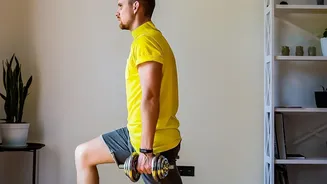
Starting is simpler than you think and doesn't require expensive equipment. The key is to lower the barrier to entry. Begin with simple bodyweight exercises. Desk squats, wall pushups, lunges, calf raises, and planks are all effective movements you can do anywhere. Resistance bands are another excellent, space saving tool. The strategy is to 'habit stack'—link your new micro workout to an existing daily habit. For example, do 10 squats after every bathroom break or hold a 30 second plank before you eat lunch. Set a timer to go off every hour as a reminder to stand up and move for two to three minutes. The goal isn't to break a heavy sweat each time, but to consistently interrupt sedentary periods.
Consistency Over Intensity
The most successful adopters of this trend focus on consistency rather than intensity. A few short sessions every day are more beneficial than one grueling workout a week, especially for combating the negative effects of sitting. The approach is about making movement a nonnegotiable part of your daily rhythm, just like checking emails. By making the workouts short and accessible, you're more likely to stick with them longterm. This shift in mindset—from allornothing marathon sessions to frequent manageable bursts—is what makes home strength training a sustainable and powerful tool for the modern professional.