




The Search for Darkness
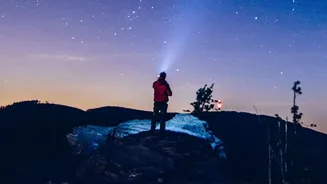
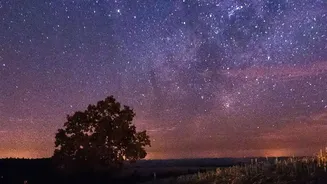
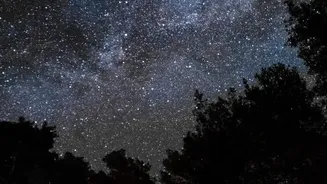
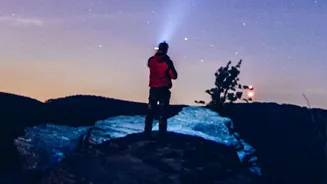
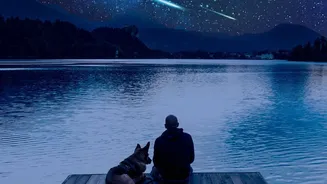
The boom in stargazing vacations, or astrotourism, isn't just a fleeting trend; it’s a direct response to our modern environment. With an estimated 80% of the global population living under light-polluted skies, the experience of a truly dark night is becoming
increasingly scarce. This scarcity has turned darkness into a coveted commodity, prompting travellers to seek remote destinations for a clear view of the cosmos. The global stargazing tourism market was valued at over a billion dollars in 2025 and is projected to grow significantly, driven by this demand for authentic nature-based experiences. This desire is about more than just a pretty view; it's intertwined with wellness, the need for a digital detox, and a deeper connection with the natural world. Stargazing provides a profound sense of peace and perspective that many find missing in their busy, urban lives.
India’s Celestial Sanctuaries
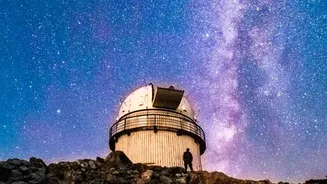
India, with its vast and diverse geography, is emerging as a prime destination for astrotourists. The country offers some of the most pristine dark skies in Asia, particularly in its high-altitude regions. The undisputed crown jewel is Hanle in Ladakh, home to India's first official Dark Sky Reserve. At an altitude of 4,500 metres, Hanle boasts over 270 clear nights a year, offering breathtaking views of the Milky Way. Another spectacular option is Spiti Valley in Himachal Pradesh, a cold desert where remote villages like Kaza and Kibber offer profoundly dark skies, making it a favourite for astrophotographers. The stark, beautiful landscape provides a perfect, silent backdrop for the celestial show above.
Beyond the Himalayas
While the Himalayas offer world-class conditions, you don't have to travel to extreme altitudes to find a stellar view. The white salt desert of the Rann of Kutch in Gujarat offers a surreal stargazing experience, especially during the Rann Utsav festival when the dry, clear winter skies are at their best. In the south, the coffee plantations of Coorg, Karnataka, provide accessible dark-sky spots away from city lights. Several states are actively promoting this form of travel, with Maharashtra recently identifying 11 new sites for astro-tourism development, including locations near Pench Tiger Reserve and the unique Lonar Crater Lake. Observatories in places like Kausani and Mukteshwar in Uttarakhand are also making astronomy more accessible with guided sessions and workshops.
Planning Your Cosmic Getaway
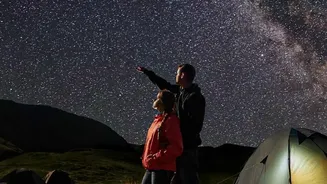
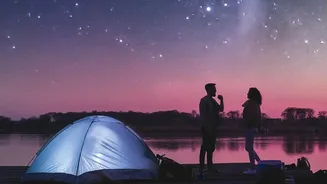
A successful stargazing trip requires a bit of planning. The best time to go is during a new moon, when the sky is at its darkest. The clear, dry months from autumn to spring are generally ideal in most Indian locations. When packing, think layers. Even in a desert, nights can get surprisingly cold, so warm clothing is essential. While you can see plenty with the naked eye, a good pair of binoculars can dramatically enhance your view of star clusters and the moon's craters. A simple star map app on your phone (used in night mode to preserve your night vision) can help you identify constellations. Many destinations now offer guided tours, astronomy workshops, and stays in accommodations designed for stargazing, from glass-roofed domes to camps with resident astronomers, making the experience both educational and unforgettable.