




The Sobering Scale of Kitchen Waste
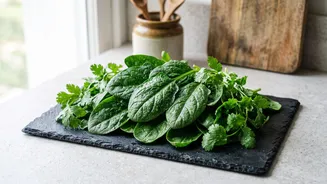
It’s a familiar story: the forgotten bunch of coriander wilting in the fridge, the half-empty packet of paneer pushed to the back, or the discovery of a spice jar that expired a year ago. These small, seemingly minor moments of waste add up. According
to the United Nations Environment Programme (UNEP) Food Waste Index Report 2024, Indian households discard an estimated 78.2 million tonnes of food annually. That equates to roughly 55 kilograms of wasted food per person, per year. This isn't just a loss of potential meals; it's a waste of the money, water, and energy used to grow, transport, and purchase that food. The good news is that tackling this problem doesn't require complex technology, but rather a simple shift in habit.
Introducing: First-In, First-Out (FIFO)
The 'First-In, First-Out' method, or FIFO, is a simple but transformative inventory principle used by professional kitchens and supermarkets to ensure freshness and minimise waste. The rule is exactly what it sounds like: the first items to go into your pantry or fridge should be the first items to come out. This prevents older products from being forgotten at the back of a shelf until they expire. By systematically rotating your stock, you ensure that food is used when it's at its best, reducing the likelihood that you'll have to throw it away. Adopting this at home turns your kitchen from a place of accidental waste into a model of efficiency.
Putting FIFO into Practice: A Step-by-Step Guide
Implementing FIFO is easier than you think. Start with a clean slate. Empty one shelf of your pantry or fridge at a time. Group similar items together and check their expiry or 'best before' dates. Now, reload the shelf using the FIFO rule: place items with the soonest expiry dates at the front, and newly purchased items with longer dates at the back. When you return from the grocery store, don't just stuff new items in the front. Take a moment to move the older products forward and place the new ones behind them. This small, consistent action is the heart of the FIFO system. For items like dals, rice, and spices in containers, consider using a marker to write the purchase date on a piece of tape to help you keep track.
Organise for Visibility
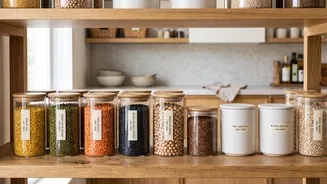
The core principle of FIFO is 'if you can't see it, you won't use it'. Organise your storage to maximise visibility. Use clear, stackable containers for grains and spices so you can see at a glance how much you have left. For your refrigerator, create designated zones: one for leftovers, another for vegetables, and a 'use soon' box on a prominent shelf for items that are approaching their expiry date. This visual cue prompts you and your family to use up those items first. Avoid piling things on top of each other; instead, arrange them in a single layer where possible, making everything accessible.
Beyond the Pantry: A Mindset Shift
FIFO is more than just an organizing tactic; it's a mindset that encourages mindful consumption. It makes you more aware of what you have, preventing duplicate purchases and impulse buys. Before you go shopping, a quick scan of your FIFO-organised pantry and fridge will tell you exactly what you need, helping you create a more accurate shopping list. This small habit, tied to the global goals of World Food Day, empowers you to save money, reduce your environmental footprint, and ensure the food you buy nourishes your family instead of ending up as waste. The 2026 theme for World Food Day, 'Innovate today. Nourish tomorrow', reminds us that even simple household innovations can contribute to a more sustainable future.