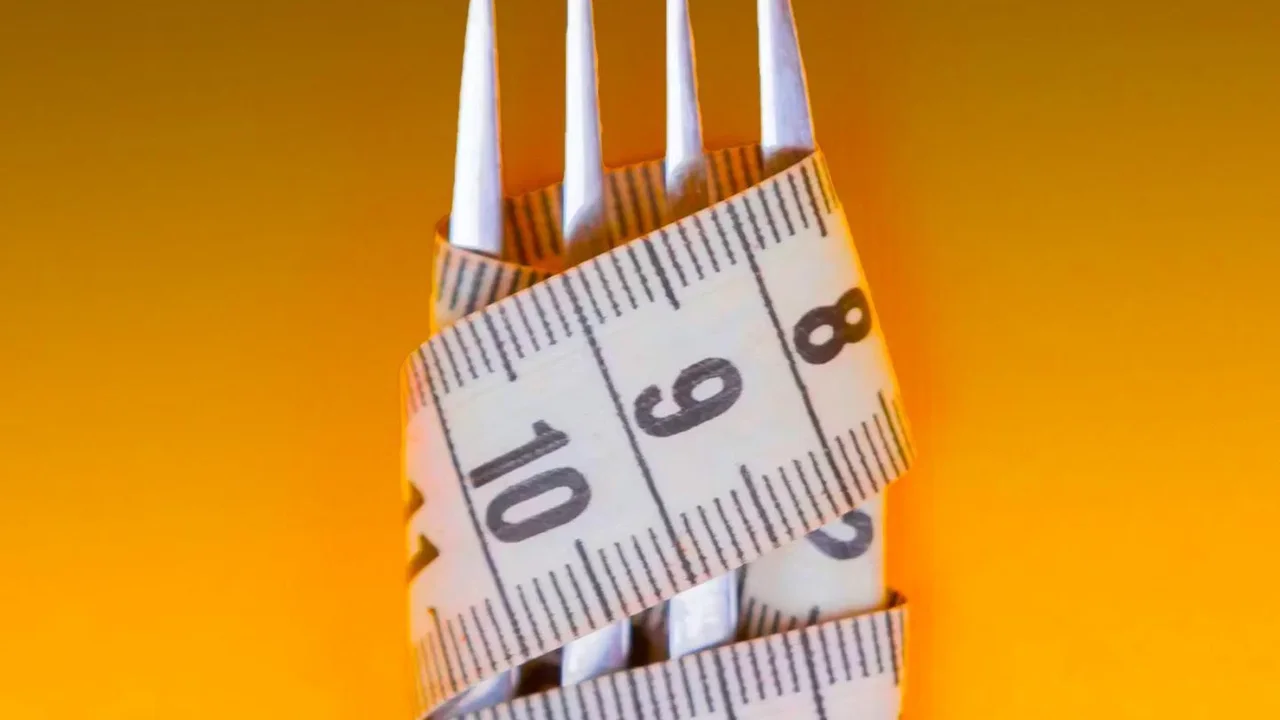


Embrace the Small Plate Philosophy
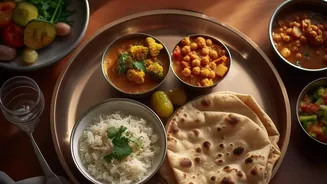
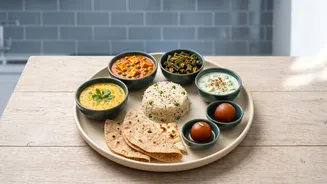
One of the simplest yet most effective changes is to switch your dinnerware. Using smaller plates, or thalis, naturally limits how much food you can serve yourself at one time. A large plate encourages overfilling, while a smaller one makes a moderate
portion look plentiful. This visual trick helps your brain feel satisfied with less. Similarly, using smaller bowls, or katoris, for dal, curries, and sabzis helps manage the quantity of each dish you consume. This method allows you to enjoy the variety of an Indian meal without unconsciously piling on calories.
Master the Katori System
The traditional katori is a built-in tool for portion control. Instead of serving multiple dishes directly onto your plate where they mix and quantities become hard to judge, allocate one small katori for each item. A typical setup might include one katori for dal, one for a vegetable sabzi, one for raita, and perhaps another for a non-veg curry. This keeps servings distinct and manageable. Aim to fill half your plate with vegetables, a quarter with protein like dal or paneer, and the final quarter with carbohydrates like rice or roti.
Serve Mindfully, Not Automatically
In many Indian households, it's customary to serve food from large pots and pans placed directly on the dining table. This makes second and third helpings almost frictionless. A better approach is to plate food in the kitchen. Fill your plate or thali once with reasonable portions, and leave the serving dishes off the table. If you're still hungry after finishing your meal and waiting about 20 minutes for your brain to register fullness, you can always go back for a small, considered second helping. This pause prevents automatic overeating.
Practice the Art of Mindful Eating
Mindful eating is the practice of paying full attention to your food. Before you begin, take a moment to appreciate the colours, smells, and textures on your plate. Chew each bite thoroughly, perhaps 20 to 30 times, to better aid digestion and nutrient absorption. Put your phone away and turn off the television to eliminate distractions that lead to mindless consumption. By eating slowly and deliberately, you give your body time to send fullness signals, which can prevent you from overeating. You also end up savouring and enjoying your food more deeply.
Plan for Your Leftovers
When cooking a large meal, food waste can feel inevitable. The key is to plan ahead and view leftovers not as a burden, but as an opportunity for another delicious meal. Store leftover dishes in airtight containers and refrigerate them promptly. The next day, you can get creative. Leftover dal can be used to knead soft, flavourful chapati dough. Vegetable stir-fries or dry sabzis can be repurposed as a filling for sandwiches, wraps, or even samosas. Leftover rice is perfect for making quick fried rice or lemon rice.
Get Creative with Leftover Curries
A leftover curry is a fantastic base for a completely new dish. You can shred the meat from a chicken or lamb curry to make pulled sandwiches or sliders. The gravy can be thinned with a little stock or water to become a soup, or used as a rich sauce for pasta. Some people even use leftover curries as a topping for homemade pizza or as a filling for savoury pies and quesadillas. This approach not only prevents waste but also saves you time on cooking your next meal.