

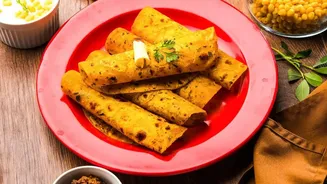
The Philosophy of a Thali
A thali, which simply means 'plate' in Hindi, is a complete meal served on a single platter, usually with an array of dishes in small bowls called katoris. But it’s not a random assortment. The core principle is balance. A traditional thali is thoughtfully
composed to provide a spectrum of flavours, textures, and nutrients in one sitting. It's an age-old concept rooted in Ayurveda that a proper meal should be a holistic experience, satisfying not just hunger but also the senses. Instead of focusing on a single main dish, a thali invites you to enjoy a variety of complementary items that work together harmoniously.
Embrace the Six Tastes (Shad Rasa)
The secret to a perfectly balanced thali lies in the ancient Ayurvedic concept of 'Shad Rasa', or the six tastes. A complete meal should ideally feature all six to ensure satisfaction and proper digestion. Sweet (Madhura): This doesn't just mean dessert. It refers to foundational, nourishing foods like rice, wheat, dal, root vegetables, and ghee. Sour (Amla): This taste awakens the palate. It comes from ingredients like yogurt (curd), tamarind, lemon, and pickles. Salty (Lavana): Essential for flavour, salt is a key component. Beyond table salt, it can be found in pickles and sea vegetables. Pungent (Katu): This is the spicy, hot element that stimulates digestion, found in chillies, ginger, garlic, onions, and mustard seeds. Bitter (Tikta): Often missing in modern diets, bitter flavours are cleansing. They come from fenugreek (methi), bitter gourd (karela), turmeric, and spinach. Astringent (Kashaya): This is a dry, mouth-puckering sensation found in lentils, beans, unripe bananas, and pomegranates.
Mastering the Components
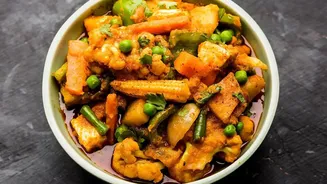
While there are endless variations, a basic vegetarian thali is built around several key components. Aim for a mix that covers the different tastes and food groups. A staple grain, like steamed rice or a flatbread (roti, puri), occupies the center. A protein-rich lentil dish, such as dal or sambar, is essential. Include at least one or two vegetable dishes (sabzis); one could be a dry stir-fry (poriyal) and another a gravy-based curry. A cooling element like raita (yogurt with vegetables and spices) or plain curd provides a balance to the heat and spice. No thali is complete without condiments. A small portion of spicy pickle (achar) and a sweet or tangy chutney add sharp, concentrated flavours. For texture, a crispy element like papad is a must. Finally, a small sweet dish, like gulab jamun or a piece of jaggery, is served to conclude the meal.
Texture and Temperature are Key
Beyond the six tastes, a great thali plays with contrasting textures and temperatures. The goal is to keep the palate engaged from the first bite to the last. Think of the interplay between soft, fluffy rice and a crunchy papad; or a creamy, rich dal next to a crisp, fresh salad (koshimbir). Similarly, the temperature contrast between a warm curry and a cool bowl of raita is not accidental. This cooling element helps to soothe the palate, balancing the heat from pungent spices and providing relief, making the entire meal more enjoyable. When planning your dishes, think about including something soft, something crunchy, something liquid, and something dry.
Inspiration from Regional Thalis
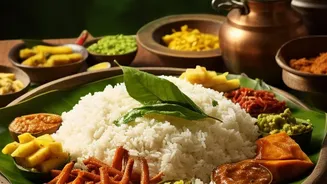
India's diverse geography is reflected in its regional thalis. A Rajasthani thali, for instance, is known for its rich and spicy dishes like Dal Baati Churma and Gatte ki Sabzi, using ingredients suited to an arid climate. In contrast, a South Indian Sadya, often served on a banana leaf, is rice-based and features coconut-prominent dishes like Avial, Thoran, Sambar, and Rasam. A Gujarati thali is famous for its harmonious blend of sweet and savoury notes, often including dishes like Dhokla, Thepla, and a sweet dal. Exploring these regional styles can provide endless inspiration for your own thali creations, showing how the core principles of balance are adapted across the country.