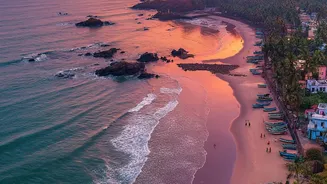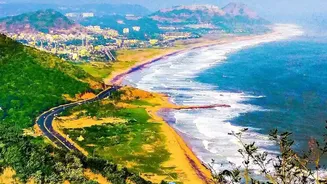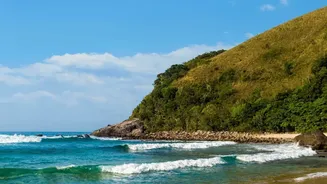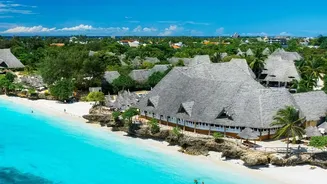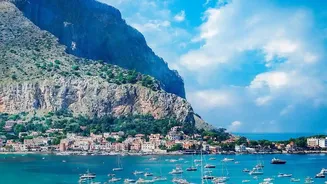




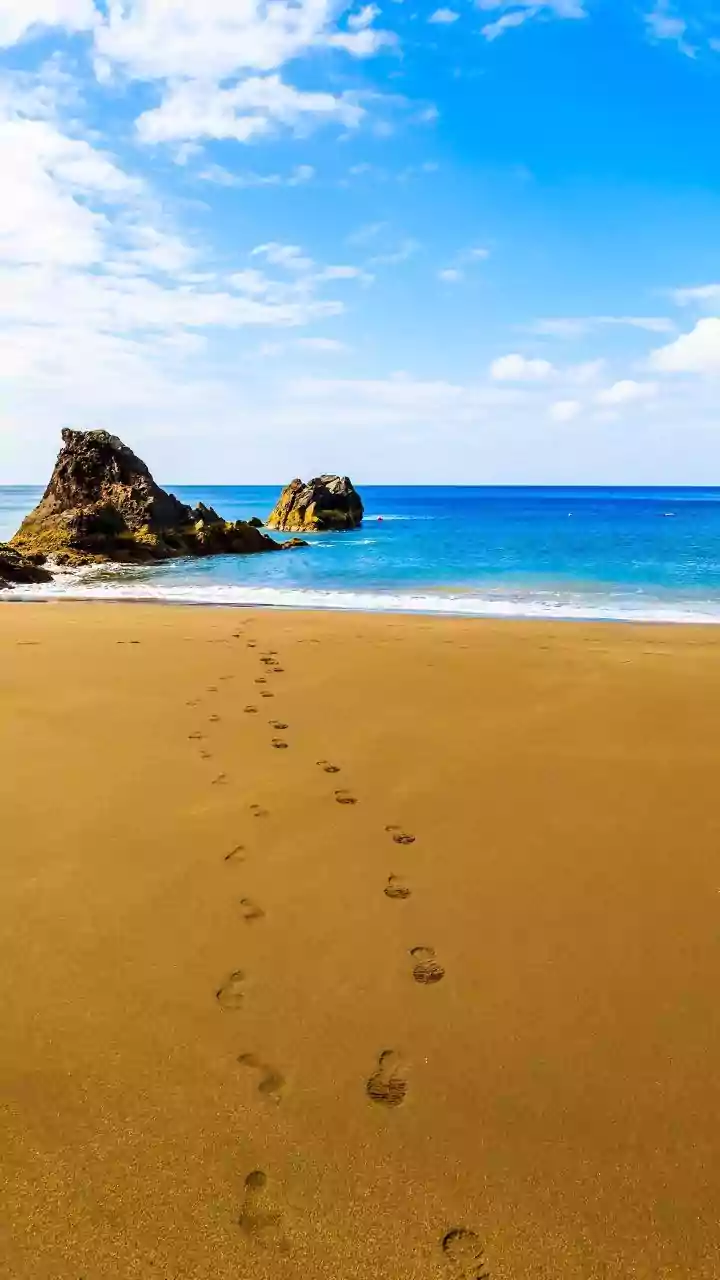


When you picture Goa, bustling beaches and vibrant nightlife likely come to mind. But beyond the well-trodden sands of Baga and Calangute, a quieter, more pristine side of Goa exists—and the world is taking notice.
A New Global Honour
Two of Goa's beaches, one in the north
and one in the south, have been awarded the prestigious Blue Flag certification for the 2026-27 season. The announcement was made on November 20, 2026, after confirmation from the International Blue Flag Jury and the Foundation for Environmental Education (FEE). This award is one of the world's most recognised eco-labels, given to beaches, marinas, and tourism boats that meet a stringent set of environmental, educational, safety, and accessibility criteria. For travellers, the Blue Flag is a trusted symbol of a clean, safe, and well-managed beach. The two new additions bring India's total number of Blue Flag beaches to 24. The recognition highlights a growing focus on sustainable tourism and environmental preservation in the state. Entry to both beaches remains free for the public.
Mandrem Beach, North Goa
While North Goa is famous for its high-energy atmosphere, Mandrem Beach offers a serene alternative. It has long been known for its beautiful scenery, clean shores, and a generally peaceful environment compared to its northern neighbours. You often reach the main beach area by crossing small, picturesque wooden bridges over a creek, which adds to its slightly secluded charm. Its wide stretch of soft sand is ideal for long, leisurely walks, and the waters are considered relatively calm for swimming. The Blue Flag award specifically acknowledges Mandrem's scenic shoreline and its lush coastal vegetation, cementing its status as a top destination for those seeking tranquility without venturing too far from the amenities of the north.
Galgibaga Beach, South Goa
Located in the quiet Canacona region of South Goa, Galgibaga is often called one of Goa's last truly untouched shores. Its inclusion on the Blue Flag list is significant not just for its beauty but for its ecological importance. Galgibaga is a protected nesting site for the Olive Ridley sea turtle. This designation means development is minimal, ensuring the beach remains pristine and largely free of commercial shacks and noise. The beach is a long, wide expanse of golden-brown sand fringed with casuarina trees, offering a feeling of raw, undisturbed nature. The award underscores the need to protect this sensitive habitat while allowing for eco-friendly tourism that respects the area's natural heritage. For visitors, it's a chance to experience a wilder, more profound side of Goa's coastline.
Finding Your Own Quiet Corner
The recognition for Mandrem and Galgibaga shines a light on a different kind of Goan holiday—one focused on peace and nature rather than parties. While these two beaches are now officially on the global map, they are part of a wider network of tranquil spots. Generally, South Goa is considered more peaceful and laid-back than the north. Beaches like Cola, with its unique freshwater lagoon, and Querim (Keri), Goa's northernmost beach, offer similar escapes. Others like Patnem and Ashwem strike a balance, providing a calm atmosphere with enough amenities to be comfortable. The key is often to venture to the northernmost or southernmost parts of the state, where the crowds thin and the natural landscape takes centre stage.