






The Rise of Portable Power
Not long ago, heading into the backcountry meant a complete digital detox. Your map was paper, your compass was magnetic, and your light came from a battery-powered torch you used sparingly. Today, our most critical tools are often electronic. A smartphone
serves as a GPS, a camera, an emergency communication device, and a guidebook. A dedicated GPS unit offers reliable navigation, and modern headlamps are USB-rechargeable. This is incredibly convenient, but it all hinges on a finite resource: battery life. Power banks have been the standard solution, but they are heavy and offer a limited number of recharges. Once they're drained, they become dead weight. This is the problem that a new generation of solar technology is solving for hikers, trekkers, and campers.
What Are Flexible Solar Mats?
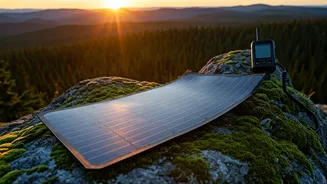
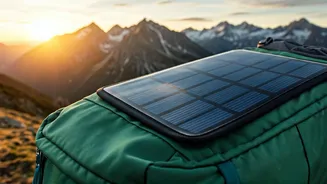
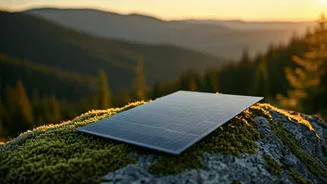
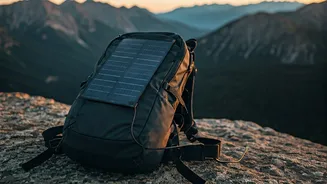
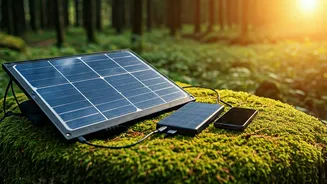
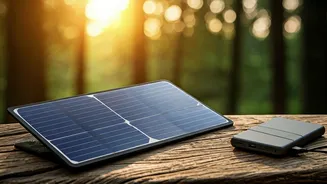
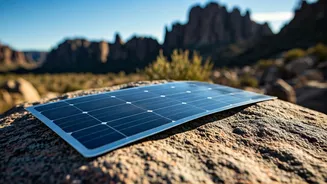
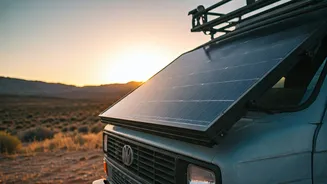
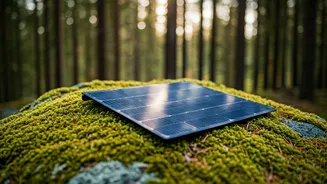
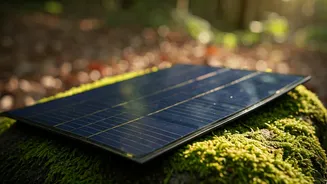
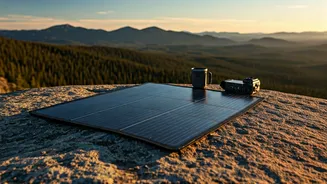
Forget the rigid, heavy glass panels you see on rooftops. The solar chargers making their way into hikers' backpacks are a different breed. These are flexible, foldable, and incredibly lightweight mats designed specifically for portability. Often constructed from durable, weather-resistant fabric, they unfold to reveal a series of high-efficiency solar cells. The key innovation is their power-to-weight ratio. Advanced CIGS (Copper Indium Gallium Selenide) or monocrystalline cells can now generate a useful amount of electricity while adding less than 500 grams to a pack. These mats don't typically have a built-in battery; instead, they are designed to charge a power bank or a device directly when exposed to sunlight. You simply strap the panel to the top of your backpack while you hike, letting it soak up rays and top off your power bank for use in the evening.
Beyond Convenience: A Safety Upgrade
While charging a Kindle on a multi-day trek feels like a luxury, the primary benefit of a solar mat is safety. In an emergency situation, a charged phone or a satellite messenger like a Garmin inReach can be a literal lifesaver. Being able to reliably recharge these devices provides a crucial safety net, especially on longer or more remote expeditions where you might be out of range for days. For trekkers in the Himalayas or adventurers in the Western Ghats, this isn't just about comfort; it's about responsible planning. The ability to keep a GPS device running ensures you stay on track, reducing the risk of getting lost. It allows you to check weather forecasts if you get a signal, and to document your route with photos without worrying about your phone dying.
What to Look for in a Hiking Solar Panel
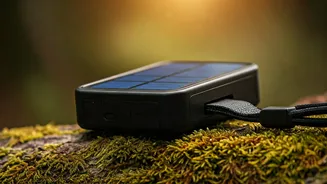
If you're considering adding a solar mat to your kit, a few key specifications matter. First is wattage. A 10-watt panel is a good starting point for backpacking, offering a decent charge speed without too much weight. A 20-watt panel will be faster but heavier and bulkier. Second, consider weight and packed size. Look for models under 500 grams that fold down compactly. Third, durability is crucial. The panel should be weather-resistant and able to withstand being strapped to a pack and getting knocked around. Finally, check the output ports. Most come with standard USB-A ports, but some newer models may offer USB-C for faster charging. The smartest strategy is to pair the solar panel with a high-quality 10,000mAh power bank. Use the sun to charge the bank during the day, then use the bank to charge your devices at night.
A Quick Reality Check
As magical as they sound, these panels are not a source of infinite, instantaneous power. Their performance is entirely dependent on sunlight—direct, bright sunlight. A cloudy day, hiking in dense forest cover, or the weak sun of early morning will dramatically reduce or even halt their charging ability. They will not charge your devices as quickly as a wall outlet. Charging a smartphone directly from a panel can be inefficient, as passing clouds can cause the phone to stop and start charging, which drains power. That's why using a power bank as an intermediary is the recommended method. Think of a solar mat not as a primary power source, but as a tool to extend your existing battery life and provide a critical trickle of energy over the course of a multi-day trip.