








Beyond the Resume: Why You Need One
For decades, the resume was the gold standard for job applications. It was a neat, one-page summary of your education, experience, and skills. But in today’s digital-first world, it’s simply not enough. Industry leaders and hiring managers increasingly
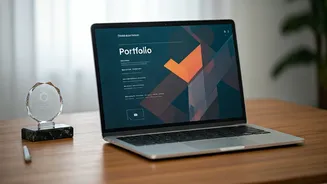
look for tangible proof of a candidate's abilities, not just a list of claims. This is where a digital portfolio comes in. Think of it this way: your resume says you have a skill, but your portfolio proves it. It transforms abstract bullet points like “proficient in Python” or “strong writing skills” into concrete evidence. A recruiter can see the code you’ve written, read the article you published, or analyse the marketing campaign you designed. This shift from telling to showing gives you a powerful advantage. It allows you to control your professional narrative, showcasing your unique voice, creativity, and problem-solving abilities in a way that a standardised document never could.
What to Include: Curate for Impact
The most common mistake graduates make is treating a portfolio like a digital attic—a place to store everything they’ve ever done. Instead, think like a museum curator. Your goal is to select only your best, most relevant work that tells a compelling story about your capabilities. Quality always trumps quantity. Three to five of your strongest projects are far more effective than a dozen mediocre ones. For each piece, provide context. Don't just upload a file; explain the project. What was the goal? What was your specific role and what were your contributions? What tools or skills did you use? What was the outcome or what did you learn? This applies across all fields. For a software developer, it might be a link to a GitHub repository with a clean README file. For a writer, it could be a PDF of a published article or a link to a live blog post. For a designer, it’s a case study showing the process from initial brief to final design. Always tailor your selections to the jobs you are applying for.
Choosing Your Platform: Simple and Professional
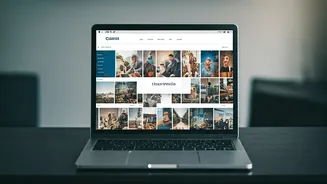
Once you've selected your best work, you need a place to house it. The platform you choose should be professional, easy to navigate, and mobile-friendly. A personal website built on a user-friendly platform like Squarespace, Wix, or WordPress offers the most control over branding and layout. You can secure a custom domain name (like YourName.com), which adds a layer of professionalism. For specific industries, there are standard platforms that recruiters expect to see. Creatives in design, photography, and art often use Behance or Dribbble. Developers and data scientists live on GitHub, where their code can be reviewed. Writers might use platforms like Medium, Contently, or a simple, clean blog. Even LinkedIn’s “Featured” section can serve as a mini-portfolio for those just starting out. The key is to choose a platform that presents your work cleanly and without distractions.
The 'Link' Is Key: Make It Discoverable
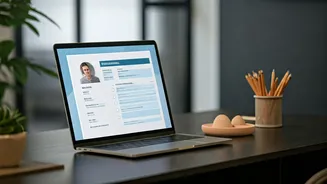
Having a brilliant portfolio is useless if no one sees it. The 'link' is the bridge between your traditional application materials and your dynamic showcase of work. You must make it easy for hiring managers and recruiters to find. Place the hyperlink in the most prominent places. It should be in the header of your resume, right alongside your name, phone number, and email address. It should be a clickable link in your LinkedIn profile summary and contact information. Add it to your professional email signature, so it’s included in every piece of communication during your job search. Don't use a long, clunky URL from a free hosting service. A clean, custom URL is memorable and professional. Your digital portfolio link is your new business card; hand it out at every opportunity.
Common Pitfalls to Avoid
A poorly executed portfolio can do more harm than good. Be mindful of common mistakes that can signal a lack of attention to detail. First and foremost, test all your links. A broken link is an immediate red flag. Ensure your website or platform loads quickly and is easy to navigate on both desktop and mobile devices. If showcasing group projects, be crystal clear about your specific role and contributions. Avoid clutter; use a clean design with plenty of white space that lets your work shine. Finally, proofread everything—from project descriptions to your own bio. Typos and grammatical errors undermine your credibility and suggest a lack of professionalism. Ask a friend or mentor to review your portfolio before you start sharing the link widely.