





The Policy Shift That Opened the Skies
The transformation began in 2020 when the Indian government opened the space sector to private enterprise. This historic decision was followed by the creation of the Indian National Space Promotion and Authorisation Centre (IN-SPACe). Designed as a single-window
agency, IN-SPACe acts as a facilitator and regulator, bridging the gap between the Indian Space Research Organisation (ISRO) and the burgeoning private sector. Its role is to enable non-government entities to participate in the full spectrum of space activities, from building rockets and satellites to using ISRO's world-class facilities. This reform was a clear signal: India was ready to move from a state-dominated model to a collaborative, commercially driven space ecosystem. The government aims to grow India's share of the global space market from about 2% to a significantly larger portion, with ambitious targets set for the coming decade.
Launchpad Entrepreneurs: The Rocket Builders
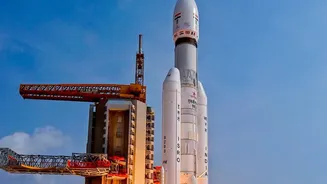
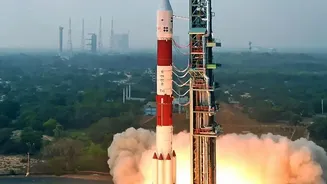
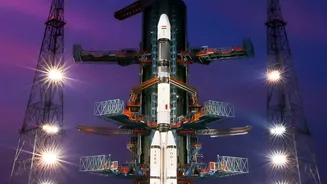
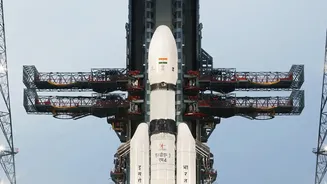
At the forefront of this new wave are startups building launch vehicles, aiming to capture the lucrative global market for small satellite launches. Skyroot Aerospace made history by becoming the first Indian private company to launch a rocket into orbit with its Vikram-1 vehicle. This milestone demonstrated that private players could develop complex, reliable space technology from the ground up. Another key player, Agnikul Cosmos, is pioneering a different approach with its 3D-printed rocket engines, which allow for rapid manufacturing and mission flexibility. Their Agnibaan rocket is designed for on-demand launches, catering to clients who need to get smaller payloads into orbit quickly and affordably. These companies are not just building hardware; they are creating a new, more accessible gateway to space for a global clientele.
Beyond the Launch: A Diverse Ecosystem
The commercial opportunities extend far beyond just launching rockets. A diverse range of startups is tackling different parts of the space value chain. Pixxel, for instance, is building a constellation of hyperspectral imaging satellites. These satellites provide incredibly detailed data that can be used for everything from monitoring crop health in agriculture to detecting environmental changes. Dhruva Space offers full-stack solutions, building satellite platforms and ground station services for a variety of clients. Others, like Digantara, are focusing on a critical emerging field: space traffic management and domain awareness, essentially creating a system to monitor objects in orbit and prevent collisions. This diversification shows the depth of the ecosystem, with companies providing crucial upstream components and valuable downstream data services.
Fuelling Ambition: The Investment Landscape
This entrepreneurial boom is being powered by a steady flow of investment. From just one registered space startup in 2014, India is now home to over 400. Cumulative private investment has surged, with hundreds of millions of dollars pouring into the sector in recent years from both domestic and international venture capital firms. The government is also providing crucial support through initiatives like seed funds and technology development grants facilitated by IN-SPACe. This financial backing is critical, as space technology requires significant long-term capital for research, development, and testing. The growing investment is a strong vote of confidence in the commercial viability and future potential of India's private space industry.
Challenges on the Horizon
Despite the incredible momentum, the path forward is not without its challenges. Indian space startups face intense global competition from established players like SpaceX and Rocket Lab. Access to funding, while growing, is still modest compared to the multi-billion-dollar investments seen in the US space sector. Furthermore, there are regulatory hurdles to navigate, as a comprehensive national space law is still under development to address complex issues like liability and insurance. Overcoming these challenges will require sustained policy support, continued innovation, and a focus on building cost-competitive and reliable technologies to secure a firm foothold in the global market.