


More Than Just Restoration
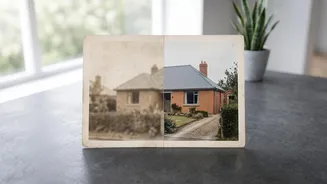
For years, professional photo restoration was a costly and time-consuming process, requiring expert-level skills in software like Adobe Photoshop. But the rise of user-friendly AI plugins and web-based tools has democratized the ability to repair damaged
images. This technological shift is empowering young people, many of whom grew up with polished digital photography, to engage with their family's physical past in a new way. They are not just preserving photos; they are reviving them. The trend is driven by a mix of curiosity, a desire for connection, and the creative impulse to share these rediscovered histories on social media platforms like Instagram and TikTok.
The New Digital Toolkit
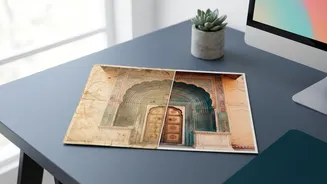
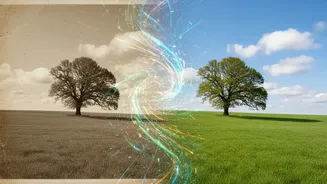
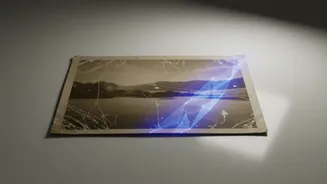
The first step in this process is digitization—scanning the physical prints to create digital files. This is a crucial stage, as AI can't restore a photo it can't see. Once a photo is digitized, a suite of AI tools can work their magic. AI-powered 'enhancers' can automatically fix common issues like scratches, tears, stains, and fading. 'Upscaling' tools use algorithms to increase the resolution of old, grainy photos, making them sharp enough for modern screens and even large prints. Finally, AI 'colorization' can analyze a black-and-white image and apply plausible, vibrant colors, bringing a new sense of life and realism to scenes from decades past. Tools from companies like Adobe, as well as platforms like Picsart and LetsEnhance, have made these advanced features accessible with just a few clicks.
A Bridge to the Past
The motivation behind this trend goes deeper than just technological curiosity. For many young creators, restoring family photos is an act of genealogical discovery. It offers a tangible connection to relatives they may have never met and provides a window into the lives of their parents and grandparents. Sharing these restored images often sparks conversations between generations, unearthing the stories behind the photos. In an age of fleeting digital content, the act of carefully restoring a single, precious family photograph provides a sense of permanence and meaning. It's a way to honor family history and ensure these irreplaceable moments are not lost to time.
The Creator's Touch and Its Critics
Beyond simple restoration, young creators are using these revived images as raw material for new content. The restored photos are incorporated into digital scrapbooks, video montages, and social media posts that tell a story. However, this trend is not without its critics. Archivists and historians raise important questions about authenticity, as AI restoration is not a perfect science. The AI 'imagines' missing details and colors based on vast datasets, which can lead to inaccuracies. An AI might subtly alter facial features or introduce colors that weren't there, creating a version of the past that is more fiction than fact. Some purists argue that these AI-generated images, while visually appealing, can inadvertently erase the true history of a photograph by smoothing over the authentic textures and imperfections of a life lived.