



Part 1: Your Vehicle Readiness Checklist
The most important part of safe monsoon driving happens before you even turn the key. A car that was perfectly fine in the summer can quickly reveal its weaknesses in a downpour. Indian summers are known to degrade rubber parts, so a pre-monsoon check
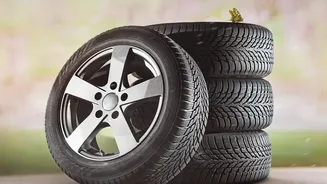
is non-negotiable. Focus on these four critical areas. First, your tyres are your only contact with the slippery road. Ensure they have a tread depth of at least 3mm for effective water dispersal and to avoid aquaplaning. Second, inspect your brakes. Wet roads can significantly increase your stopping distance. If your brakes feel spongy or the brake fluid hasn't been changed in two years, get them serviced. Third, replace your wiper blades if they leave streaks or make noise; clear vision is your primary defence in heavy rain. Finally, check all your lights—headlights, taillights, indicators, and brake lights. In low visibility, being seen is as crucial as seeing.
Part 2: Planning Your Route Intelligently
During the monsoon, not all routes are created equal. What is a smooth drive on a sunny day can become a water-logged trap after a few hours of rain. Before you set off, especially on longer journeys, take a few minutes to plan your route. Use real-time traffic maps to check for known waterlogging spots, bottlenecks, or diversions. The India Meteorological Department (IMD) and other platforms now offer route-specific weather forecasts that can alert you to heavy rain or storms along your path. Urban roads are often built with a camber, sloping towards the edges for drainage. This means the centre of the road is usually the highest and shallowest point when driving through water. If possible, avoid low-lying areas and underpasses, which are notorious for flooding. Always inform someone of your intended route and estimated arrival time. This simple step ensures that if you do run into trouble or are delayed, someone knows where to start looking.
Part 3: Mastering On-Road Conditions
Once you are on the road, your driving style needs to adapt. The first rule of monsoon driving is to slow down. Reducing your speed by about 30% gives you more time to react and significantly reduces the risk of skidding on wet tarmac. Double the usual distance between your car and the vehicle in front; braking is less effective in the wet. When driving in the rain, whether day or night, always keep your low-beam headlights on. This makes you more visible to others. Avoid using hazard lights while moving, as this can confuse other drivers who may not see your turn indicators. If visibility drops severely, it is safer to pull over to a secure, elevated spot and wait for the rain to subside. Do not stop on the road itself.
The Peril of Waterlogged Roads
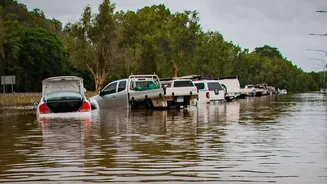
Encountering a flooded road is one of the biggest risks. The golden rule is: when in doubt, turn around. It is nearly impossible to judge the depth of murky water or see hidden hazards like open manholes or deep potholes. As a general guide, if the water level is higher than the bottom of your car door or the centre of your wheels, do not attempt to cross. If you must proceed through shallow water, do so slowly and steadily in a low gear, keeping the engine revs up to prevent water from entering the exhaust. Turn off your air conditioning before entering the water. The most critical advice: if your car stalls in water, do not try to restart it. Attempting to do so can suck water into the engine, causing catastrophic and expensive damage known as hydrostatic lock. It is far safer to abandon the vehicle if water levels are rising and call for assistance.
Weather Checks and Emergency Preparedness
Make it a habit to check the weather forecast before any significant travel. The IMD provides detailed district-level and highway-specific alerts through its website and the UMANG app. Pay attention to colour-coded warnings (red, orange) as they indicate severe weather that could disrupt travel. Beyond your vehicle, a small in-car emergency kit is invaluable. This should include a powerful torch, a first-aid kit, a tow rope, jumper cables, and a phone charger or power bank. Keeping some dry snacks and drinking water is also a wise precaution for unexpected delays. These simple preparations can turn a potential crisis into a manageable inconvenience.