


Meet Ragi: The Ancient Superfood
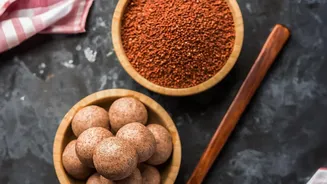
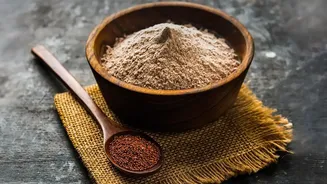
Known as finger millet, ragi is a nutrient-dense cereal that has been a staple in parts of Asia and Africa for thousands of years. With its distinctive earthy flavour, this small-grained millet is incredibly versatile and naturally gluten-free. In India,
it's a cherished part of many regional diets, especially in the southern states, where it's used to make everything from porridge to flatbreads. Its resurgence in modern kitchens is thanks to a renewed appreciation for traditional grains that deliver both exceptional taste and robust health benefits.
A Nutritional Power-Up for Your Morning
Starting your day with ragi crepes is a fantastic way to fuel your body. Ragi is celebrated for being a rich source of calcium, which is vital for maintaining strong bones and teeth. It is also packed with dietary fibre, which aids digestion and promotes a feeling of fullness, helping to manage weight by reducing the urge to snack between meals. The complex carbohydrates in ragi have a low glycaemic index, meaning they release sugar into the bloodstream slowly, supporting stable energy levels. Furthermore, it is a good source of iron and essential amino acids, making it a valuable addition to any diet, particularly for vegetarians and vegans.
Crafting the Perfect Instant Ragi Batter
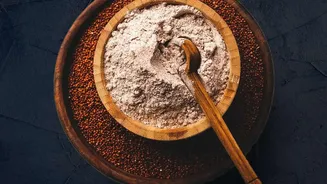
Making ragi crepes, or ragi dosa, is surprisingly simple, especially with an instant batter that requires no fermentation. For this easy version, you will need a few key ingredients. The base consists of ragi flour, rice flour for crispiness, and a little semolina (rava) for texture. To create the batter, combine ½ cup of ragi flour, ¼ cup of rice flour, and 2 tablespoons of fine semolina in a large bowl. Add flavourings like finely chopped onion, green chillies, grated ginger, cumin seeds, and fresh coriander leaves. Gradually whisk in about 2 cups of water until you have a smooth, thin, and lump-free batter. The consistency should be runny, much like milk, as this is the secret to a lacy, crispy crepe. Let the batter rest for at least 15 to 30 minutes to allow the semolina to absorb water.
The Simple Art of the Savoury Crepe
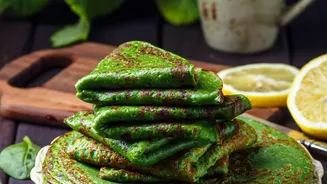
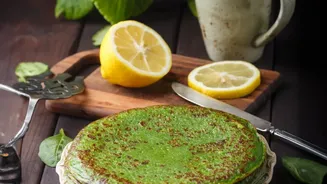
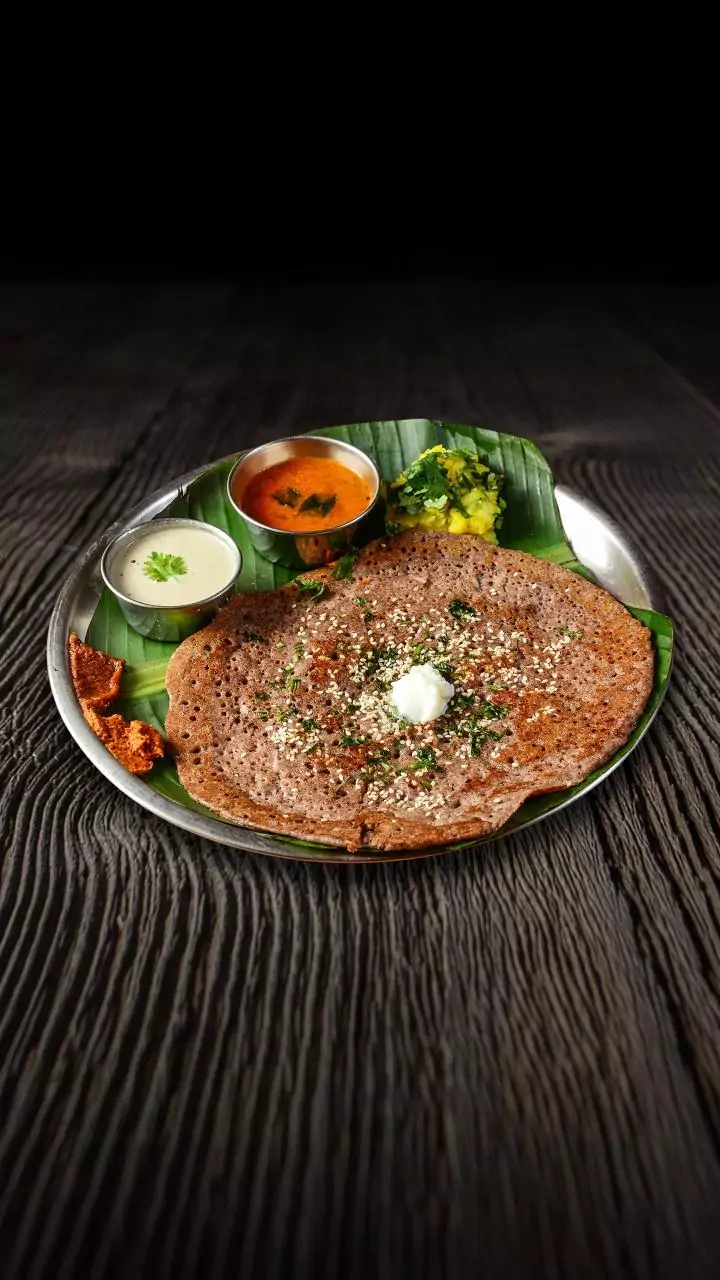
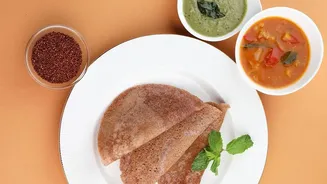
Once your batter is ready, it's time to cook. Heat a non-stick or well-seasoned cast iron tawa over a medium-high flame. The pan must be hot. A good test is to sprinkle a few drops of water; they should sizzle and evaporate immediately. Before making each crepe, give the batter a good stir, as the flours tend to settle at the bottom. Pour a ladleful of the batter from a height in a circular motion, starting from the edges and moving towards the centre. Don't try to spread it with the ladle like a traditional dosa; the thin batter will naturally create a lacy pattern with small holes. Drizzle a little oil or ghee around the edges and cook on a low to medium flame for a few minutes until the edges turn golden brown and start to lift from the pan. These crepes are typically so thin they only need to be cooked on one side. Carefully fold and serve hot.
Pro Tips and Delicious Variations
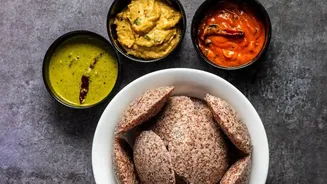
For the crispiest ragi crepes, ensure your batter is thin and your pan is properly heated. If the crepe sticks, the pan might not be hot enough, or the batter could be too thick. Feel free to customise your batter by adding other ingredients like grated carrots or finely chopped cabbage. These savoury crepes are delicious on their own but are traditionally served with accompaniments like coconut chutney, tomato chutney, or sambar. You can also get creative with fillings, such as spiced potatoes, crumbled paneer, or mixed vegetables, to turn them into a more substantial meal.