



The Old Rules No Longer Apply
Traditionally, the arrival of the monsoon in July meant one thing for India’s major national parks and tiger reserves: shutdown. Core areas of parks like Ranthambore and Corbett would close to tourists from July to September, as heavy rains made tracks
impassable and wildlife viewing difficult. This annual closure was a standard part of the conservation and tourism cycle. However, park authorities have recognised a growing appetite for off-season travel and the unique beauty of the forest in the rain. Now, several premier reserves are keeping select zones—primarily their buffer areas—open for tourism year-round. This “rainy upgrade” isn't just a logistical shift; it's an invitation to experience India's wilderness in its most vibrant and dramatic state.
What is a Monsoon Safari Like?
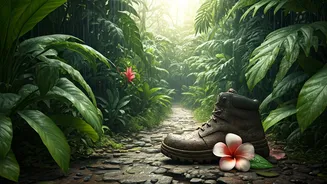
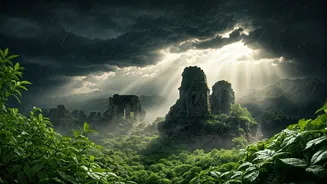
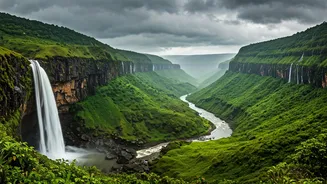
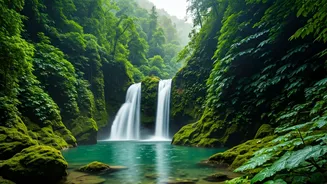
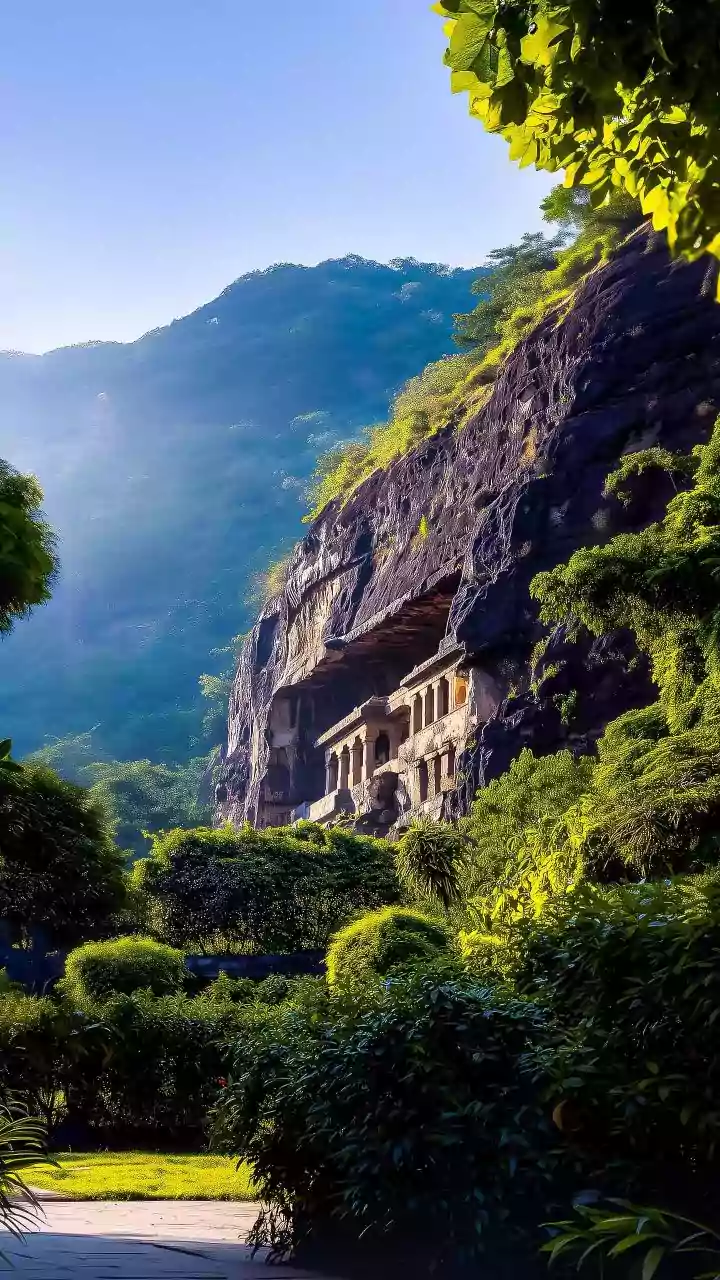
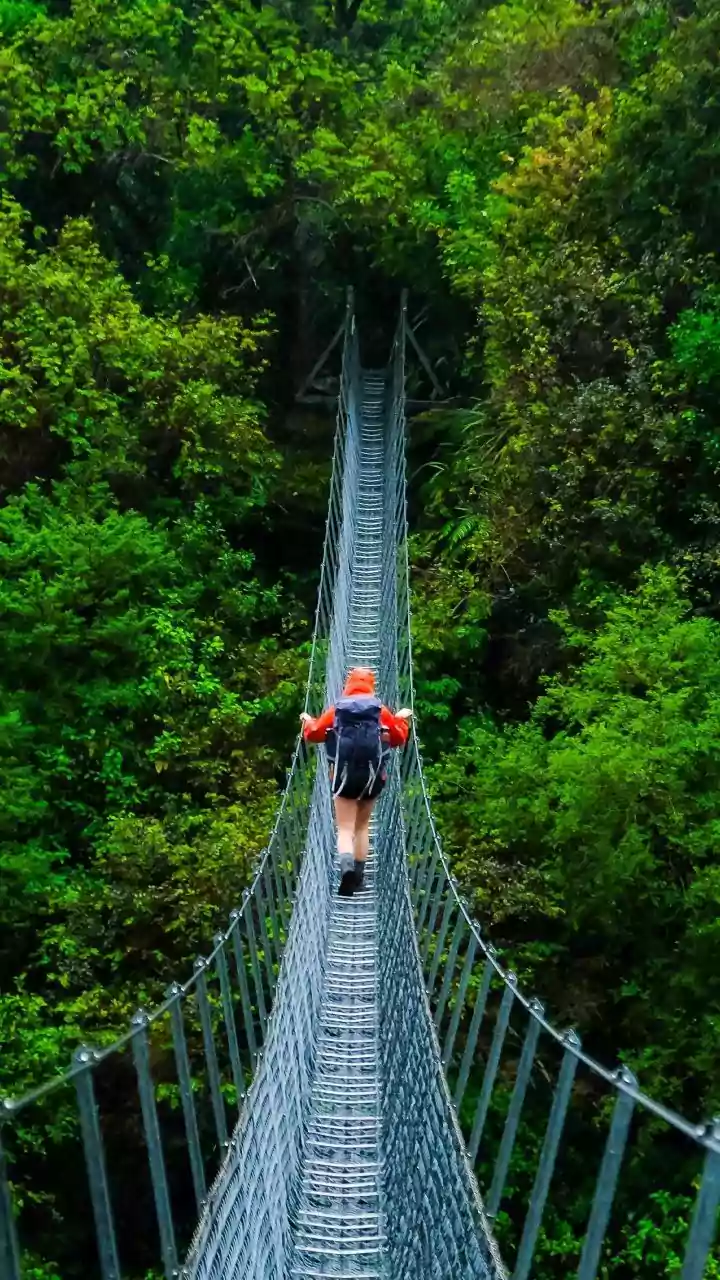
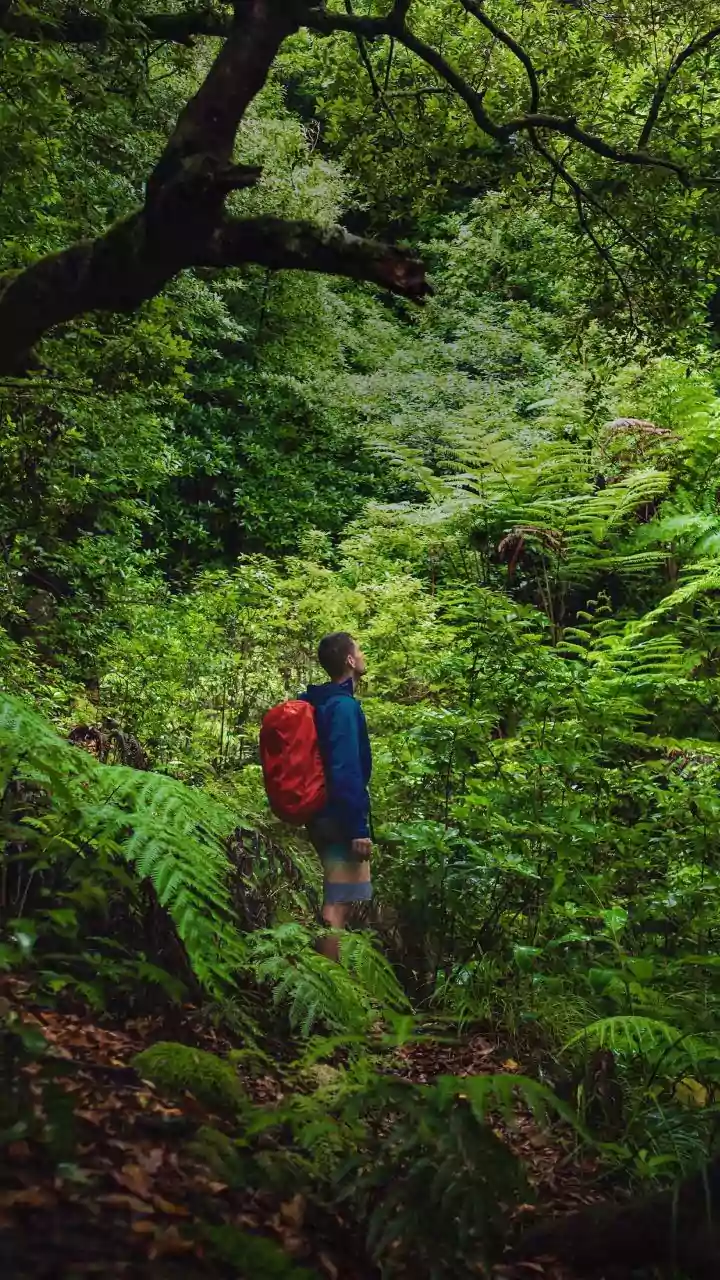
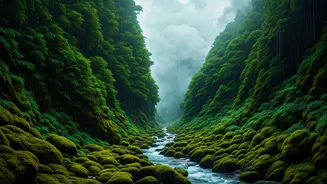
Forget the dry, ochre landscapes of summer. A monsoon safari is a full-sensory immersion in green. The forest floor is carpeted with fresh shoots, the air is heavy with the scent of wet earth (petrichor), and the dust is replaced by a refreshing mist. Creeks and waterfalls, silent for months, come alive with roaring water. The sky puts on its own show with dramatic, dark clouds and sudden bursts of golden sunlight. It’s a photographer’s dream, with heightened colour saturation and atmospheric conditions. The experience is also more intimate. With fewer tourists venturing out during this period, you often feel like you have the entire jungle to yourself, making for a more peaceful and profound connection with nature.
Wildlife Spotting: A Different Game
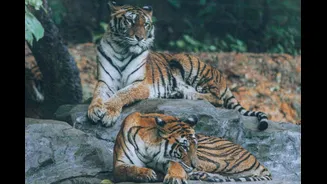
Let’s manage expectations: spotting a tiger can be more challenging during the monsoon. The dense, leafy undergrowth provides excellent camouflage, and with water available everywhere, big cats don’t need to frequent specific waterholes, making their movements less predictable. However, the reward is a potential sighting of a tiger against a lush, emerald backdrop—a rare and stunning sight. But the monsoon safari shines a spotlight on other residents. This is the best time for birdwatching, as resident species are in their breeding plumage and migratory birds begin to arrive. Reptiles and amphibians, like frogs and snakes, are at their most active. Herds of deer (sambar and chital) and nilgai look healthier than ever, grazing on the abundant vegetation. It’s a chance to appreciate the entire ecosystem, not just the apex predator.
Where to Experience the Rain
Several key parks are leading this monsoon trend. In Rajasthan, Ranthambore National Park keeps several of its buffer zones (Zones 6-10) open, offering a fantastic rainy landscape against the backdrop of its historic fort. Sariska Tiger Reserve, also in Rajasthan, has followed suit. In Uttarakhand, the legendary Jim Corbett National Park keeps its Jhirna, Dhela, and Garjiya tourism zones accessible. These areas offer a mix of dense forest and open grasslands, providing diverse habitats for wildlife viewing. Down south, many parks in the Western Ghats, like those in Karnataka and Kerala, have always embraced the monsoon, showcasing herds of elephants and gaur enjoying the downpour. Always check the official forest department website for the most current information on which zones are open before you plan.
How to Plan Your Monsoon Adventure
A rainy safari requires a little extra preparation. Pack quick-drying clothes in earthy colours. A reliable raincoat or poncho is non-negotiable, as is waterproof protection for your camera and phone. Sturdy, waterproof footwear with good grip is essential for navigating potentially muddy terrain. Most safari operators use Jeeps with canopy covers, but you’ll still be exposed to the elements, so dress accordingly. Book your safaris well in advance, as even in the off-season, permits can be limited. Embrace the unpredictability; a safari might be delayed or cut short by a heavy downpour, but that’s all part of the wild adventure.