


Beyond the Buffet Line
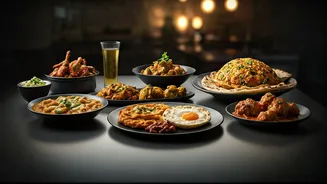
The era of the one-size-fits-all Indian buffet is fading. Global diners are graduating from the gateway dishes that once defined Indian food in the West, such as chicken tikka masala and saag paneer. Data shows that while these classics are declining
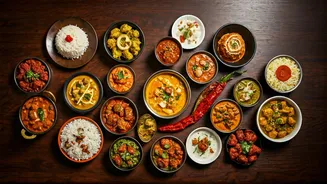
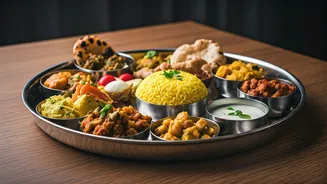
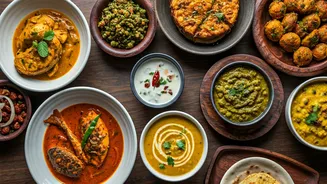
in popularity, interest in specific, regional alternatives is surging. This shift signals a deeper consumer curiosity, moving beyond a monolithic idea of "curry" toward a genuine appreciation for India's vast culinary diversity. Restaurants are now confidently showcasing hyper-regional specialities, from the coastal curries of Kerala and Goa to the robust flavours of Rajasthan. This evolution mirrors the path taken by Italian and Mexican cuisines decades ago, where initial familiarity paved the way for a deeper exploration of regional authenticity.
The New Guard of Culinary Ambassadors
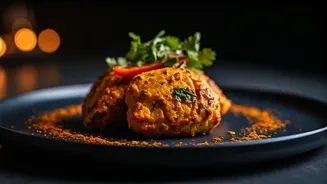
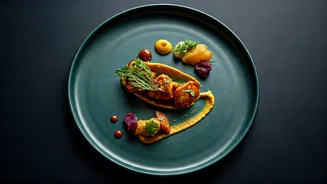
A new generation of Indian chefs is leading this global charge, acting as cultural ambassadors who blend tradition with modern flair. Chefs like Vikas Khanna, Garima Arora, and Asma Khan are no longer simplifying flavours for international audiences. Instead, they are presenting traditional recipes and lesser-known regional ingredients with pride and confidence. This authenticity is resonating with a global audience that is increasingly interested in the stories behind their food. The results are undeniable, with a growing number of Indian restaurants outside of India earning prestigious Michelin stars. Establishments like Trèsind Studio in Dubai, which holds three stars, and Semma in New York, which celebrates Tamil cuisine, are proving that Indian food can compete at the highest levels of fine dining.
Regional Flavours Go Global
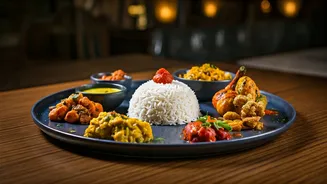
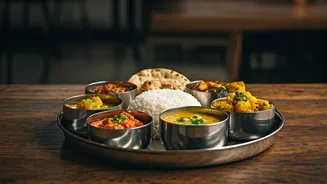
The current trend is all about specificity. South Indian cuisine, with its use of coconut, tamarind, and curry leaves, is gaining significant international attention. In fact, one food intelligence platform named Keralan food the “Cuisine to Know for 2026”. Dishes like Hyderabadi biryani and Chettinad chicken are becoming global favourites. At the same time, cuisines from Northeast India, with their unique ingredients like bamboo shoots and smoked meats, are starting to tempt international palates. This growing interest is also reflected in search trends, with Yelp reporting a 153% increase in searches for Indian tiffin services, which offer traditional home-style meals.
The Wellness Connection
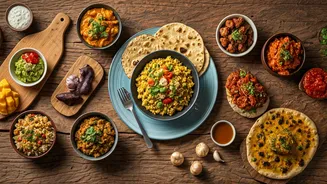
The global wellness boom has also played a significant role in the rise of Indian flavours. Ancient Indian ingredients are now being celebrated worldwide for their health benefits. Turmeric, known for its anti-inflammatory properties, has become a global superfood, starring in everything from golden lattes to dietary supplements. India produces approximately 80% of the world's turmeric, and its exports are growing steadily. Similarly, ancient grains like millets are making a comeback due to their nutritional value and sustainability. The principles of Ayurveda, with its focus on balanced wellness, are influencing food trends, further boosting the appeal of traditional Indian ingredients and plant-based dishes like dal and chana masala.
A Story Shared Online
Social media has acted as a powerful accelerant for this trend. Food bloggers and influencers are showcasing the vibrancy and diversity of Indian food to a global audience, making it more accessible and relatable than ever before. Viral videos of home-style meal unboxings and tutorials on how to cook regional dishes have sparked curiosity and encouraged people to expand their culinary horizons. This digital exposure helps demystify the cuisine, moving it beyond the restaurant and into home kitchens around the world, solidifying its place not just as a passing trend, but as a permanent and celebrated part of the global culinary landscape.