



So, What Exactly Is Animal Flow?
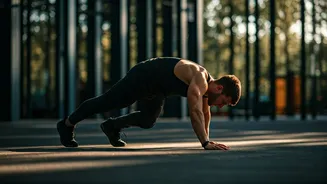
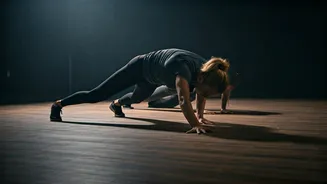
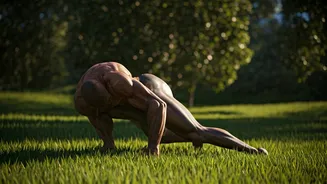
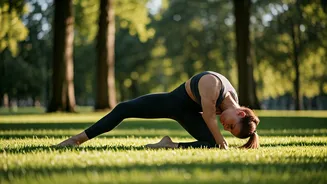
At its core, Animal Flow is a structured, bodyweight fitness programme that centres on ground-based movements. Think of it as a blend of yoga, gymnastics, capoeira, and breakdancing, all designed to improve strength, mobility, flexibility, and coordination.
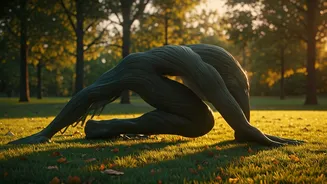
Created by American fitness expert Mike Fitch, the system uses a vocabulary of movements, often called the “ABCs”—Ape, Beast, and Crab—which serve as base positions. From there, practitioners learn to transition between forms, creating a continuous, fluid sequence or “flow.” It looks less like a traditional workout with reps and sets, and more like a dance or a form of moving meditation. You won't find any dumbbells, kettlebells, or machines here; the only equipment needed is your own body and a bit of open space.
The Rejection of Traditional Gym Culture
For many in Gen Z, the conventional gym environment can feel sterile, intimidating, and expensive. The culture of mirror selfies, complex machinery, and competitive weight-lifting doesn't appeal to everyone. Animal Flow offers a powerful alternative. It’s expressive, playful, and focuses on what your body can *do* rather than just what it looks like. This shift from aesthetics to ability is a key value for a generation that increasingly prioritises functional fitness and overall well-being over narrow beauty standards. It’s a workout that celebrates creativity and personal style, allowing each individual to develop their own unique flow, which resonates deeply with Gen Z’s emphasis on authenticity and self-expression.
A Workout for Body and Mind
Beyond the physical benefits, a huge part of the appeal is the mental engagement. Performing an Animal Flow sequence requires intense concentration. You have to be completely present, coordinating your limbs, maintaining balance, and remembering the next transition. This state of deep focus is often described as a form of “moving meditation.” In a world of constant digital distraction, an activity that demands your full attention can be incredibly grounding. For a generation reporting high levels of anxiety and stress, a practice that builds both physical resilience and mental calm is a compelling proposition. It’s a way to disconnect from screens and reconnect with the body in a powerful, mindful way.
The Power of the Park and Community
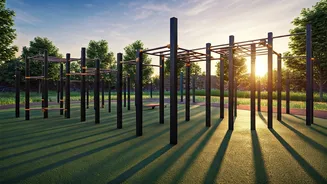
The choice to practice in outdoor parks is deliberate. It breaks down the financial barrier of a gym membership, making fitness accessible to students and young professionals. Practicing outdoors also provides benefits like fresh air and Vitamin D. But more importantly, it fosters a sense of community. A solo activity in a gym becomes a visible, shared experience in a park. Groups often form organically, with practitioners learning from and inspiring each other. This social element is crucial. It turns exercise from a chore into a fun, communal activity, often documented and shared on social media platforms like Instagram, which in turn fuels the trend’s visibility and growth among peers.