


Trace the Original 'Manchester' Moniker
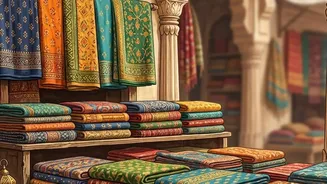
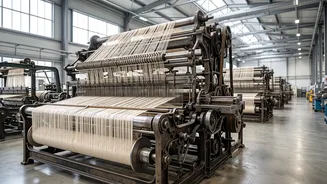
To understand Coimbatore, you have to start with its industrial heart. The city's journey to becoming a textile powerhouse began in the late 19th century with the establishment of its first spinning mills. Blessed with abundant black soil perfect for
cotton cultivation, the region has a textile history that dates back to ancient Roman trade. This legacy flourished, and by the 1930s, fueled by the new Pykara hydroelectric project, Coimbatore's textile industry boomed, earning it the 'Manchester of South India' nickname. While you can't tour most working mills, a walk down Oppanakara Street offers a dizzying glimpse into this commercial spirit. The street, a historic hub for tax collectors during the Vijayanagar Empire, is now a bustling bazaar packed with textile showrooms, jewellery stores, and vendors, offering a vibrant, modern-day connection to the city's trade roots.
Explore the 'Pump City' and Its Engineering Prowess
Coimbatore's industrial identity isn't just about cotton; it's also known as the 'Pump City'. The city is a major manufacturing hub for motors and pumps, supplying a significant portion of India's needs. This spirit of mechanical ingenuity and innovation is best captured at the Gedee Car Museum. Founded in honour of the legendary industrialist and inventor G.D. Naidu, the museum is a treasure trove for anyone fascinated by automobiles and engineering. It showcases a remarkable collection of over 100 vintage and classic cars from around the world, each meticulously maintained. More than just a display of vehicles, the museum tells the story of automotive evolution, offering a fascinating look at the technology and design that shaped modern transport.
Discover the Spiritual Soul Beyond the Industry
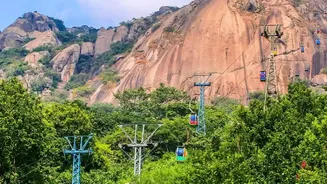
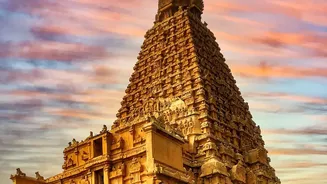
Balancing its industrial might is a deep-seated spiritual core. A short drive from the city centre takes you to the Marudhamalai Hill Temple, a 12th-century shrine dedicated to Lord Murugan. Perched atop a 600-foot hill, the journey itself is part of the experience, offering panoramic views of the Western Ghats. The hill is also known for its medicinal herbs, adding to the site's healing and tranquil atmosphere. Further afield, at the foothills of the Velliangiri Mountains, lies the Isha Yoga Center. This spiritual hub is home to the iconic Adiyogi, a 112-foot steel bust of Shiva recognised by Guinness World Records as the largest of its kind. The statue was established to inspire inner well-being through yoga and has become a global landmark for those seeking peace and spiritual exploration.
Escape to Nature's Doorstep
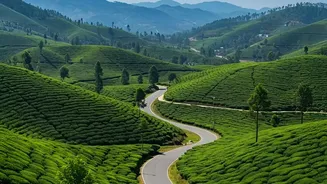
Coimbatore's location at the foothills of the Western Ghats provides easy access to stunning natural landscapes. For a quick and refreshing escape, the Siruvani Waterfalls, located about 35 km from the city, are a popular choice. The water here is known for its sweet taste and the surrounding area offers a serene environment. Another beautiful spot is Monkey Falls, located on the scenic Pollachi-Valparai road. It's an ideal stop for those taking a longer day trip to explore the Anamalai Hills. These natural attractions offer a perfect contrast to the urban energy of Coimbatore, showcasing the region's rich biodiversity and providing a space for relaxation and rejuvenation away from the city's hustle.
Savour the Unique Flavours of Kongunadu
No trip is complete without exploring the local cuisine, and Coimbatore is the heart of the Kongunadu region, which has its own distinctive culinary identity. Kongunadu food is known for its use of fresh ground spices, turmeric, shallots, and coconut, resulting in dishes that are flavourful but not overpoweringly spicy. Signature non-vegetarian dishes to try include Pallipalayam chicken, a dry fry made with generous amounts of shallots and coconut, and Mutton Chukka. For vegetarians, Arisi Paruppu Sadam, a simple one-pot rice and lentil dish, is a beloved comfort food with centuries of history. Other must-tries include Vazhaipoo Vadai (banana blossom fritters) and Kambu Dosai (pearl millet dosa), which offer a true taste of the region's agricultural heritage.