






Just How Dry Was It?
July 2026 was not just dry; it was historically so. According to the India Meteorological Department (IMD), the city observatory recorded a mere 23mm of rainfall for the entire month. To put that in perspective, Bengaluru typically receives between 80mm
and 116mm of rain in July. This makes it the second-driest July in 108 years, with the only drier instance being in 1918 when just 18.5mm of rain was recorded. The lack of rain was so pronounced that along with a deficit in rainfall, the city also experienced unusually high temperatures for a monsoon month, with one day hitting 33.6 degrees Celsius, a record for July.
A Monsoon Gone Missing
Meteorologists point to a weak southwest monsoon as the primary culprit. According to the IMD, the crucial systems needed to bring rain were simply not forming effectively. An offshore trough that typically drives rain along the west coast was weak, and the monsoon westerly flows lacked the moisture required to trigger significant showers over south-interior Karnataka. While some light rain appeared at the very end of the month, experts noted this was a short-lived spell and the broader monsoon activity remained weak. The result was a significant rainfall deficit for the region, with south-interior Karnataka recording 36% less rain than normal for June and July combined.
More Than Just Weather
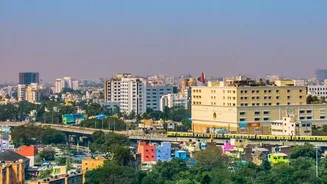
While large-scale monsoon patterns are at play, a growing body of evidence suggests that local factors within Bengaluru are exacerbating the problem. Decades of rapid, often unplanned, urbanization have transformed the city's landscape. Studies have shown a dramatic increase in built-up area—over 1,000% in the last five decades—at the expense of vegetation and water bodies. This concretization creates an "urban heat island" effect, where paved surfaces and buildings absorb and retain more heat. This not only raises temperatures but can also alter local atmospheric conditions, impacting rainfall patterns. Research has linked this loss of green cover and water bodies directly to changes in local climate, including more frequent dry spells and erratic, intense downpours.
The Ripple Effect on Water
A dry monsoon month has immediate and serious consequences for Bengaluru's water security. The city relies heavily on the Cauvery River, with reservoirs like the Krishnaraja Sagar (KRS) being critical. While good pre-monsoon showers provided an initial buffer, a failed July puts immense pressure on these reserves. As of late July, officials warned that without adequate rain, the city's available water supply from the reservoirs would only last for about five to six months. This situation forces a greater reliance on groundwater, which is already under severe stress, with borewells in the city reaching depths of over 1,500 feet. The lack of rain prevents the natural replenishment of these crucial underground aquifers, compounding the water crisis.
A Glimpse of the New Normal?
The critical question is whether this dry July is a one-off anomaly or a sign of what's to come. Climate studies on Karnataka have pointed towards increasing variability in rainfall, with a trend of more extreme events: longer dry spells punctuated by short, intense bursts of rain that often lead to flooding. One study noted that July, in particular, has shown the highest variability in rainfall for Bengaluru over the years. Experts have been warning that as climate change intensifies, this kind of erratic weather will become more frequent. The city's transformation from the 'Garden City' to a sprawling metropolis has made it more vulnerable to these shifts. The once-temperate climate, moderated by lakes and green spaces, is giving way to a more volatile and less predictable weather system.