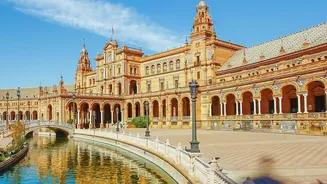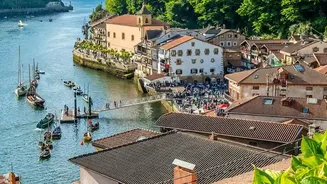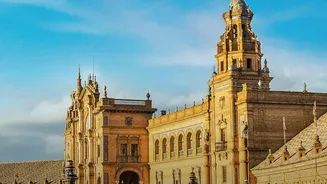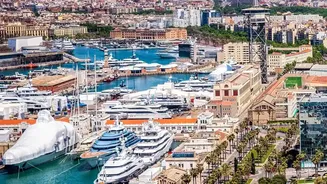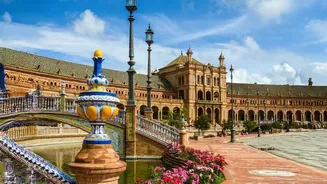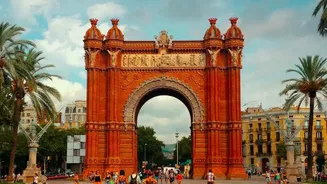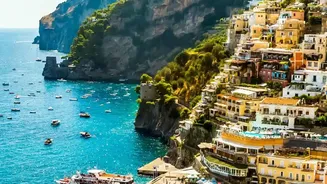



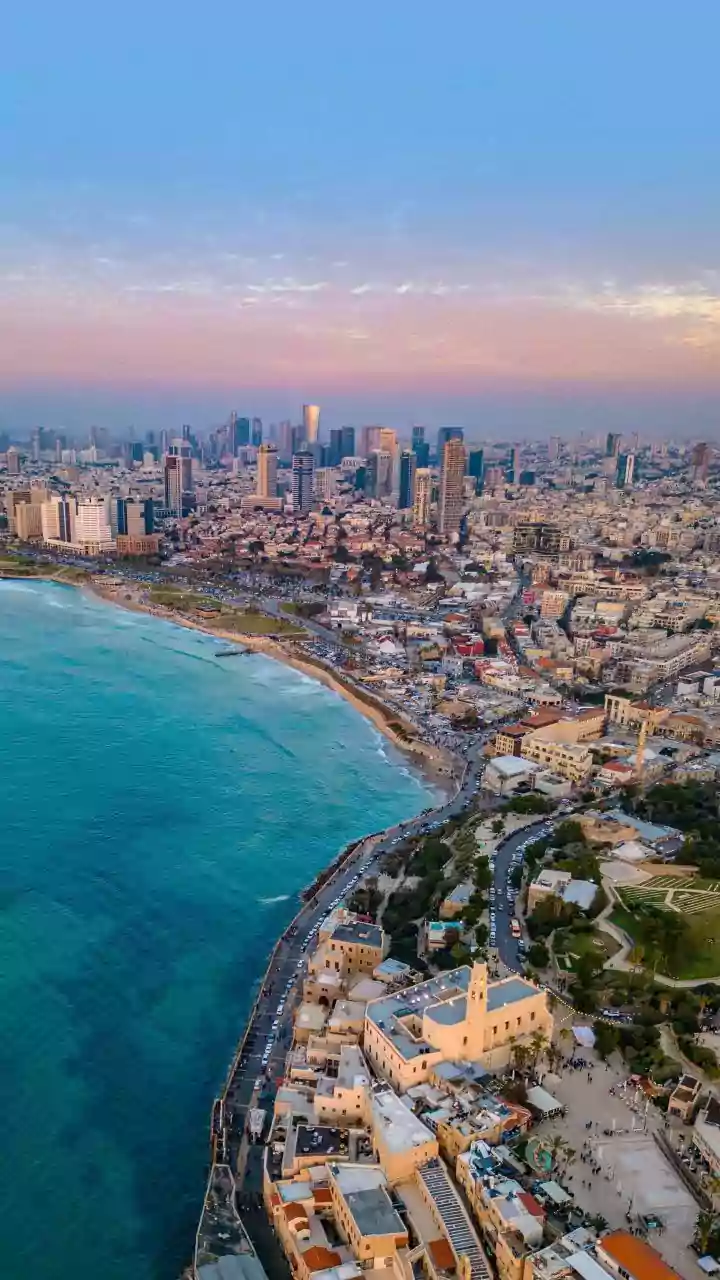



The postcard image of Spain—sun-drenched beaches, vibrant cities, and architectural marvels—is facing a stark reality check. Across the country, a rising tide of discontent is pushing back against the very industry that fuels its economy.
When 'Welcome' Wears Thin
Spain has long
been one of the world's most visited countries, with tourism accounting for over 12% of its GDP. But in hotspots like Barcelona, the Balearic Islands, and the Canary Islands, the sheer volume of visitors is leading to a phenomenon known as 'tourism-phobia'. Residents are increasingly vocal about their frustrations, staging protests to reclaim their neighbourhoods. Their grievances are not necessarily with tourists themselves, but with a model of mass tourism that they argue has spiralled out of control, straining public services and eroding their quality of life. In popular areas, the constant rumble of rolling suitcases and the replacement of local shops with souvenir stores have left many feeling like extras in their own cities.
The Housing Crisis Flashpoint
A central driver of the protests is the severe housing crisis. The boom in short-term holiday rentals on platforms like Airbnb has made it far more profitable for landlords to cater to tourists than to long-term residents. This has caused rental prices to soar in cities such as Barcelona, Palma, and Málaga, pushing local people out of their homes and even forcing some into precarious living situations like cars or caves, despite being employed. The issue has become so critical that some areas have experienced a significant decrease in resident population over the last decade as apartments are converted into tourist flats. The housing affordability crisis is a recurring theme in demonstrations, with many protesters arguing that their cities are becoming unlivable.
Barcelona Says 'Not One Tourist More'
Barcelona has become a focal point of the anti-tourism movement. The city, which welcomes around 16 million visitors annually—nearly ten times its population—has seen repeated protests. Demonstrators have marched under slogans like 'Your holidays, my misery' and even used water pistols on tourists to dramatise their message. In response, the city's leadership is taking a firm stance. Mayor Jaume Collboni has announced a bold plan to eliminate all short-term rental licences by the end of 2028. Officials have also increased the tourist tax, especially for cruise passengers, and shifted their tourism branding from 'Visit Barcelona' to 'This Is Barcelona' to signal a move away from attracting ever-more visitors toward managing the ones they have.
Islands at the Breaking Point
The Canary and Balearic Islands are also epicentres of discontent. In the Canaries, which received over 14 million foreign visitors in 2023, massive protests have called for a halt to unsustainable development. Despite tourism contributing significantly to the GDP, locals point to low wages, environmental degradation, and a housing shortage as direct consequences. The situation has led travel guide Fodor's to include the Canary Islands on its 'No List' for 2026, urging travellers to give the destination a breather due to the unsustainable pressure. In the Balearics, including Mallorca and Ibiza, similar protests have erupted over strained infrastructure and the high cost of living.
The Search for a Sustainable Future
Spanish authorities are now grappling with the difficult task of rebalancing the scales. Beyond Barcelona's rental ban, measures being implemented or discussed across the country include new tourist taxes, restrictions on public drinking and noise, and limits on cruise ship arrivals. Some regions are also exploring ways to cap visitor numbers in sensitive natural areas, like Tenerife's Anaga Rural Park. The national government is also looking at regulations for rental platforms. For travellers, this new landscape may mean higher costs and more rules, but it also presents an opportunity to engage more responsibly. The goal, for many in Spain, is not to end tourism but to shift towards a more sustainable model that benefits visitors and residents alike.