
Beyond 'Eat Your Greens'
For years, nutritional advice has been simplified to slogans. But the new 2026 'State of Food Security and Nutrition in the World' (SOFI) report, a joint effort by UN agencies like WHO and UNICEF, pushes for a more nuanced approach. It argues that the quality
of our diet is as important as calorie count, and the key to quality is dietary diversity. The report highlights that while global hunger has seen a slight decline, progress on malnutrition remains slow, with many populations lacking access to a variety of nutritious foods. This leads to what's known as 'hidden hunger'—a lack of essential vitamins and minerals, even when bellies are full. The focus, therefore, is shifting from simply getting enough food to getting the right kinds of food.
The Core Food Groups Explained
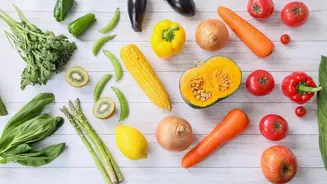
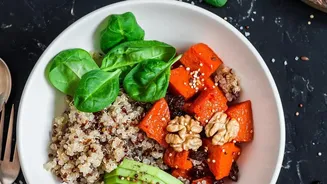
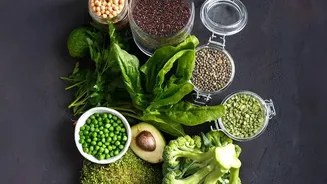
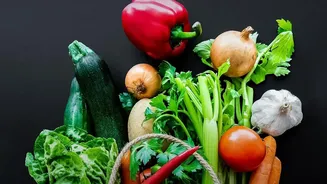
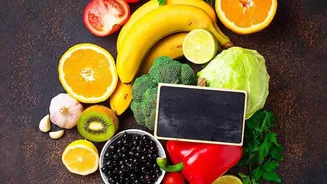
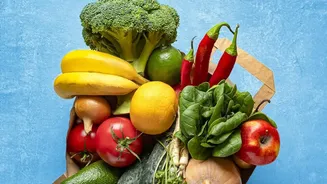
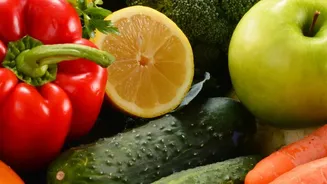
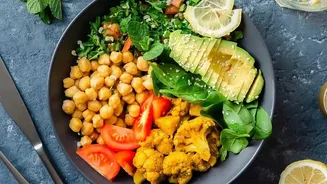
What does 'variety' mean in practice? It means eating from all major food groups. The UN's Minimum Dietary Diversity indicator for women, for instance, lists ten groups: grains and tubers; pulses like beans and lentils; nuts and seeds; dairy; meat, poultry, and fish; eggs; dark green leafy vegetables; other vitamin A-rich fruits and vegetables; other vegetables; and other fruits. For children, the list is slightly different but follows the same principle. The goal isn't to eat from all ten every single day, but to ensure a wide range is consumed over the course of a week. This ensures your body receives a complete spectrum of macronutrients (protein, carbs, fats) and micronutrients (vitamins, minerals) essential for everything from immunity to cognitive function.
The Indian Thali Advantage
This focus on diversity is where traditional Indian food habits have a natural advantage. A classic Indian thali is a masterclass in dietary variety, often featuring a grain (rice/roti), a protein (dal/legumes), vegetables, and dairy (curd/raita) in one meal. This structure inherently encourages consuming multiple food groups. However, modern lifestyles and dietary shifts mean that many Indians are moving towards more monotonous diets, often heavy on refined grains like rice and wheat, and fats. India faces a triple burden of malnutrition: undernutrition, overnutrition (obesity), and widespread micronutrient deficiencies. The UN report's findings serve as a critical reminder to return to the balanced, diverse principles that have long been a part of Indian food culture.
Small Changes, Big Impact
Incorporating more variety doesn't require a radical diet overhaul. It's about making small, consistent swaps and additions. Start by diversifying your grains; instead of just wheat and rice, try incorporating millets like ragi, jowar, or bajra, which are rich in fibre and minerals. When making dal, add a handful of seasonal vegetables. Aim to eat a fruit you don't normally have. Add seeds to your yogurt or poha. These simple tweaks can significantly enhance the nutritional profile of your meals. The goal is progress, not perfection. Even adding one new food from a different group each week can make a substantial difference to your overall health and resilience.
Why It Matters More Than Ever
The UN report underscores a global crisis where healthy diets are becoming unaffordable for billions. While hunger numbers have slightly improved to affect an estimated 645 million people in 2025, about 2.1 billion people still face food insecurity. A varied diet does more than prevent disease; it builds resilience. It supports a healthy gut microbiome, boosts immunity, and improves mental clarity. In a world facing climate change and potential disruptions to food supply, relying on a narrow range of crops is risky. Embracing dietary diversity is not only a path to better personal health but also a step towards a more sustainable and secure food system for everyone.