

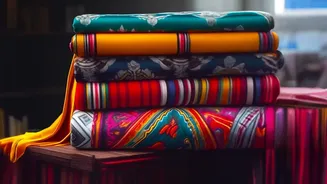

A quiet revolution is unfolding across India's cityscapes and campuses. The textiles once reserved for your mother's wardrobe are now the coolest items in yours, as heritage weaves find a bold new life in contemporary streetwear.
From Heritage to High Street
For generations, handloom
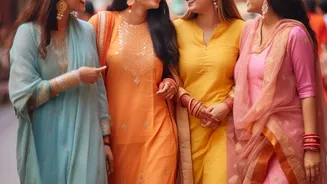
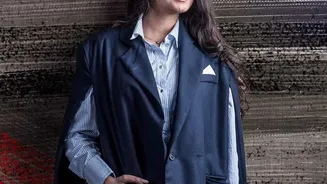
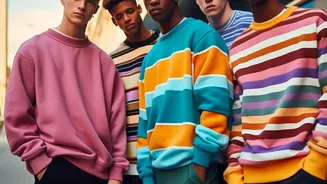
fabrics were synonymous with occasion wear—beautiful, intricate textiles for weddings and festivals. But today's youth are rewriting the rules. Gen Z is taking these fabrics out of the heirloom box and onto the streets, pairing them with sneakers, denim, and a fresh attitude. It is a creative reinterpretation that sees traditional craftsmanship not as a relic of the past, but as a vibrant tool for self-expression in the present. This shift is moving handloom from being purely ceremonial to a staple of everyday cool, championed by a generation eager to connect with their roots in a modern way.
The New Nostalgia
So, what's driving this trend? It is a mix of cultural confidence and a quiet rebellion against the sameness of fast fashion. For many young Indians, wearing a piece of Ajrakh or Chanderi is a way to express a unique identity that is both personal and rooted in a rich cultural history. In a globalised world, these textiles offer a sense of authenticity and a tangible connection to heritage. This is not just about looking good; it is about feeling connected to a story and a lineage. The trend is also powered by social media, where influencers and designers showcase innovative ways to style these fabrics, inspiring millions to experiment.
Weaves on the Radar
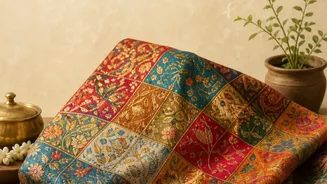
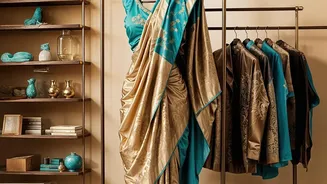
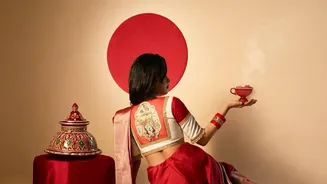
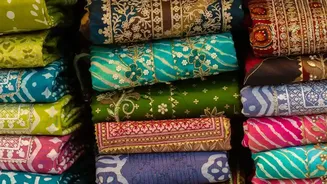
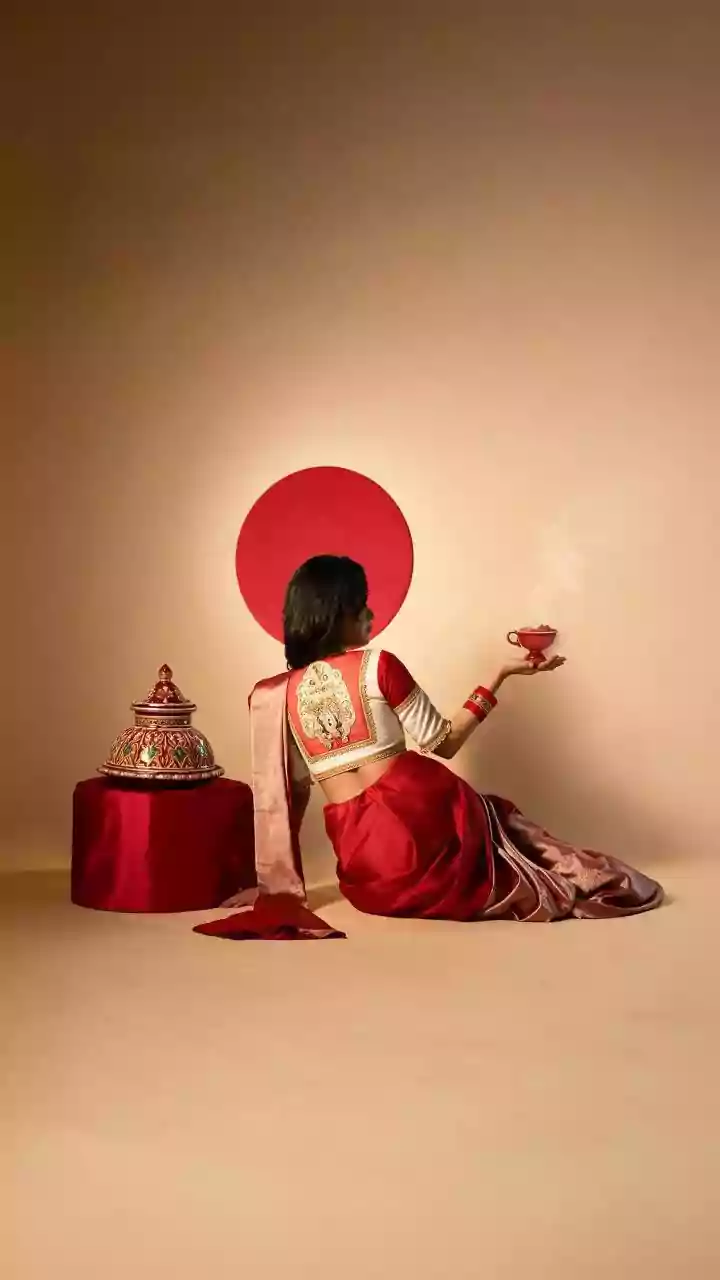
Several iconic weaves are at the forefront of this movement. The graphic, blurry patterns of Ikat from Telangana and Odisha are appearing on everything from bomber jackets and sneakers to structured co-ord sets. The intricate tie-dye constellations of Bandhani from Gujarat and Rajasthan are being fashioned into hoodies and capes, blending ancient techniques with modern silhouettes. Other textiles like the dark, geometric block-prints of Ajrakh, the airy elegance of Chanderi, and the rich brocades of Banarasi silk are also being transformed into contemporary pieces like oversized shirts, dresses, and trousers, proving their incredible versatility.
A Conscious Choice
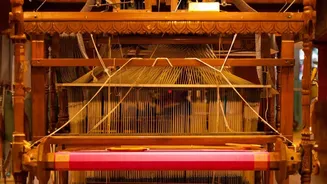
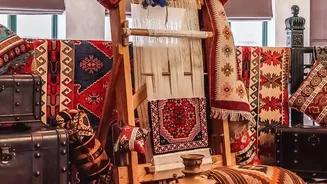
The appeal of regional weaves goes beyond aesthetics; it is also a deeply sustainable choice. Younger consumers are increasingly aware of the environmental and ethical costs of fast fashion. Handloom production, with its minimal use of electricity and reliance on natural fibres and dyes, offers a more responsible alternative. Choosing handwoven fabrics supports artisanal communities, preserves generational skills, and promotes a 'slow fashion' ethos that values quality and longevity over disposable trends. For Gen Z, a handcrafted garment is a badge of honour, representing a commitment to both cultural preservation and conscious consumption.
Making It Your Own
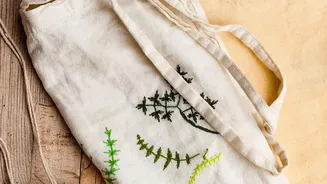
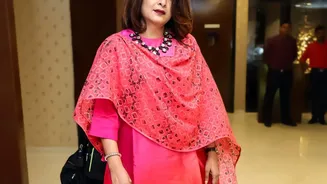
Incorporating this trend into your wardrobe is all about creative mixing and matching. You do not need a full traditional outfit to make a statement. Start small with an Ajrakh-printed scarf paired with a simple t-shirt and jeans, or an Ikat tote bag. Try layering a handloom jacket over a dress or pairing a vibrant Bandhani dupatta with a monochrome outfit. The key is to blend the traditional piece with your contemporary wardrobe, allowing the textile to be the star. The fusion of old and new is where the magic happens, creating a look that is uniquely and unapologetically you.