




What Is Immersive Couture?
For decades, haute couture lived in a rarefied world of exclusive Parisian ateliers and invitation-only runway shows. Its mystique was built on scarcity and distance. Immersive couture is changing that narrative. It refers to the use of technologies like
virtual reality (VR), augmented reality (AR), interactive digital platforms, and AI to present high fashion. Instead of a one-way presentation on a catwalk, these experiences invite the audience to step inside the designer's world. Imagine being transported to a virtual runway where you can walk around the models, or using an AR app to see how a digital gown drapes and moves in your own living room. It's a shift from passive viewing to active engagement, transforming fashion from a product on display into an interactive, multi-sensory experience.
The Digital Atelier
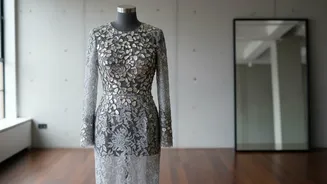
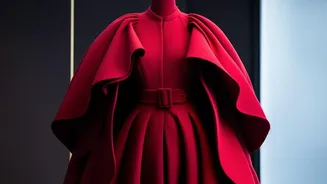
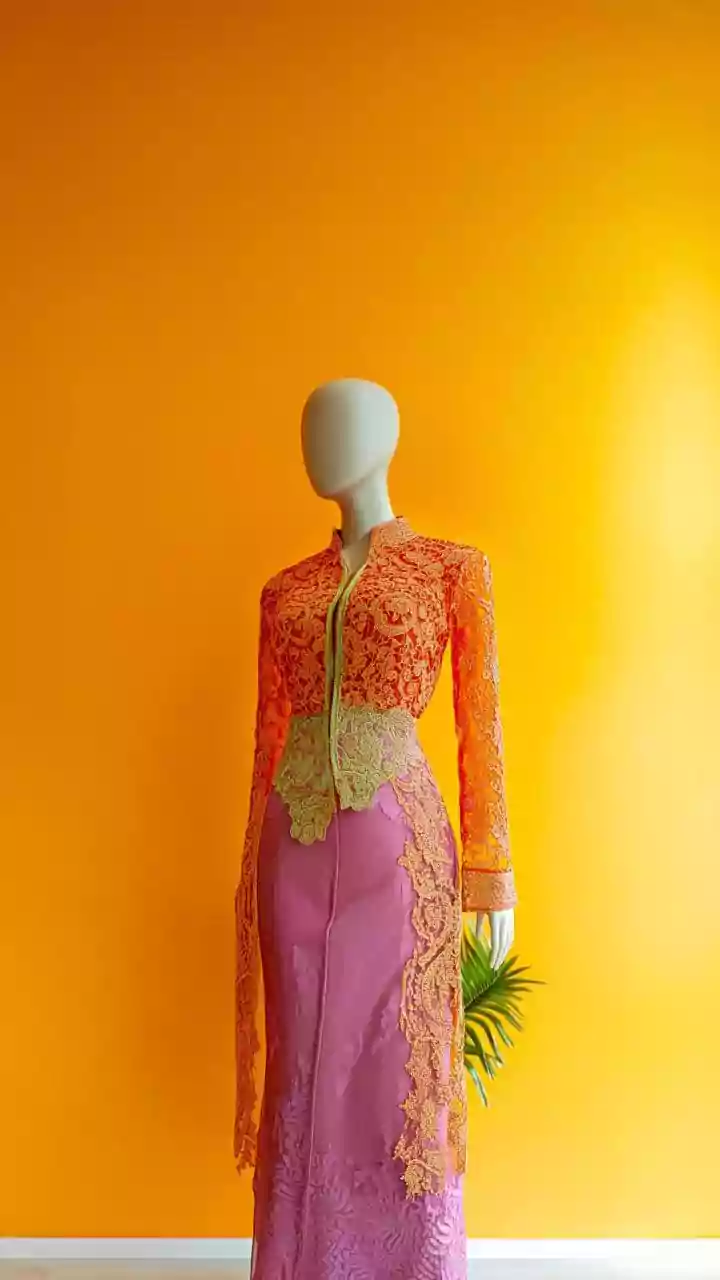
The magic of immersive couture lies in its ability to showcase the intricate craftsmanship that is often lost from a distance. While traditional shows highlight the final look, digital experiences can zoom in on the artistry. Using sophisticated 3D rendering and motion capture, designers can create hyper-realistic digital garments where every stitch, bead, and fabric texture is visible. Audiences can explore these digital creations in virtual showrooms, learning about the inspiration and techniques behind each piece. Some brands are even using AI to generate novel patterns or allow customers to co-create designs. This 'digital atelier' doesn't replace the human artisan; instead, it augments their work, creating a new space for creativity and allowing the public to appreciate the hours of meticulous labor that define haute couture.
Pioneers of the New Frontier
Luxury houses and avant-garde designers are leading the charge. Balenciaga, for instance, presented a collection as a 3D virtual video game, allowing users to explore the universe of the brand at their own pace. Gucci has experimented with AR sneakers that can only be 'worn' digitally and created immersive metaverse worlds for users to explore. Brands like Auroboros specialize in creating digital-only couture, where clients submit a photo and have a custom, sci-fi-inspired garment digitally tailored to their image. Even museums are getting involved. The Fine Arts Museums of San Francisco partnered with Snapchat to create an AR experience allowing visitors to virtually 'try on' historic couture garments, making priceless fashion accessible to all.
A More Democratic Fashion World?
One of the most exciting aspects of immersive couture is its potential to democratize a famously exclusive industry. By eliminating geographical barriers and the need for a coveted physical invitation, virtual shows can reach a global audience of millions. This new accessibility allows a broader range of fashion enthusiasts to engage with high art and design. However, the revolution isn't without its complexities. While digital experiences open some doors, they can create new barriers related to technology access and digital literacy. The rise of digital-only garments, sometimes sold as NFTs, also introduces a new form of exclusivity based on digital ownership rather than physical possession. The conversation is ongoing, but it's clear that technology is forcing the industry to rethink its relationship with its audience.