



The Drainage Dilemma
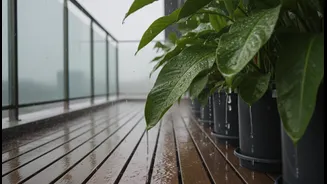
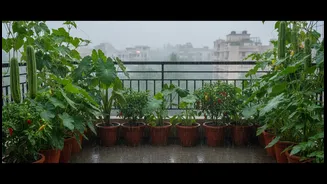
The single biggest mistake in monsoon gardening is assuming more water is always better. Continuous rain can leave pots waterlogged, suffocating roots and leading to root rot. This condition, where roots become mushy and black, is a primary cause of plant
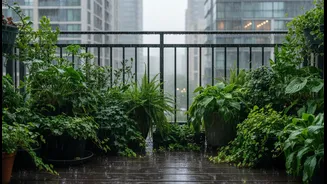
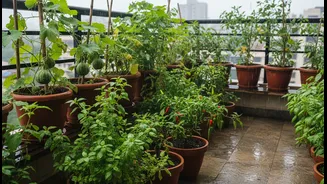
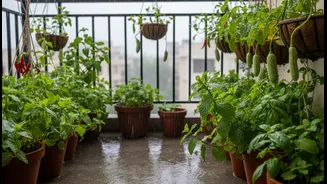
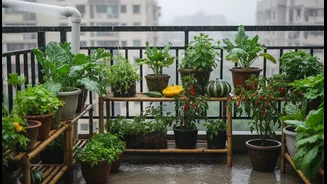
death during this season. To prevent this, ensure every pot has clear, unobstructed drainage holes. Elevating containers on bricks or pot stands is a simple but crucial step, allowing excess water to escape freely instead of pooling at the base. A well-draining potting mix, often containing cocopeat, compost, and perlite, is also essential. Avoid heavy garden soils that compact and retain too much water. If a plant shows signs of overwatering like yellowing leaves, it may be necessary to gently create air pockets in the soil or even repot it into a drier mix.
Chasing Limited Sunlight
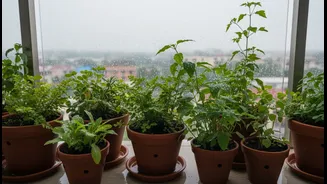
While the monsoon provides ample water, it often brings persistent cloud cover, significantly reducing sunlight. Most plants need adequate light for photosynthesis, the process that fuels their growth. Without it, they can become weak, pale, and spindly. For balcony gardeners, this means strategic placement is key. Observe how light moves across your space throughout the day and move your plants to the brightest possible spots. Placing them near windows or even light-coloured walls that reflect light can help. Regularly cleaning dust and grime off leaves ensures they can absorb the maximum available light. For some indoor or shade-loving plants, the diffused light of the monsoon is ideal, but sun-loving varieties like hibiscus or many vegetables might struggle and will need every bit of exposure you can give them.
Why Pot Size Matters
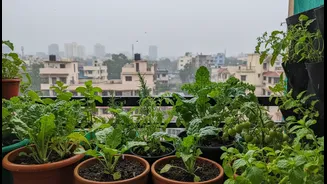
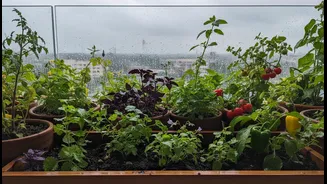
The size of your pot plays a critical role, especially during the rainy season. A pot that's too small for a plant will restrict root growth and dry out too quickly between rains. Conversely, a pot that is too large for a small plant can hold excessive moisture, creating a soggy environment that promotes root rot. The key is to match the pot size to the plant's current needs and growth potential, allowing a little room for development without going to extremes. Deeper pots provide more stability and a better moisture buffer for taller plants, while wider, shallower containers suit herbs and greens. During the monsoon, proper pot depth combined with excellent drainage is the perfect partnership. It ensures roots have space to breathe without sitting in a perpetual swamp.
Smart Plant Selection
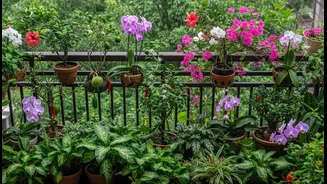
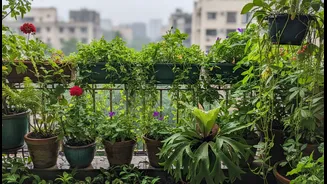
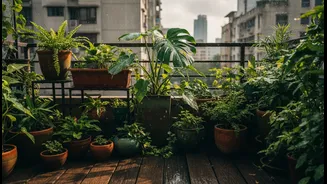
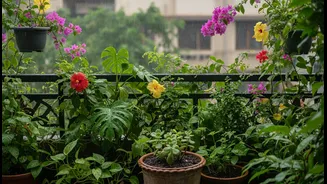
Not all plants are created equal when it comes to handling monsoon conditions. Instead of fighting the weather, choose species that thrive in high humidity and wet conditions. Classic monsoon-loving flowering plants for Indian balconies include hibiscus, jasmine (mogra), and plumeria (champa). Many foliage plants, like pothos (money plant), snake plants, and various ferns, also flourish in the humid, lower-light environment. When it comes to edibles, certain vegetables like okra and some gourds do well. It's generally wise to avoid planting things that are highly susceptible to fungal diseases, such as tomatoes, during the peak rainy season unless you can provide shelter and excellent air circulation.
Pest and Disease Patrol
The warm, wet weather is an open invitation for pests and fungal diseases. High humidity creates the perfect breeding ground for issues like powdery mildew, leaf spot, and root rot. Pests such as aphids, mealybugs, snails, and slugs also multiply rapidly. Prevention is the best strategy. Ensure good air circulation by leaving adequate space between your pots. Prune any affected leaves immediately to stop the spread of disease. A preventative, gentle spray of neem oil solution every 10-14 days can help deter many common pests and has antifungal properties. Also, be vigilant about emptying any trays or saucers under your pots to prevent them from becoming breeding grounds for mosquitoes.