
The Invisible Kitchen Revolution
You’ve likely ordered from a cloud kitchen, even if you don't know it. These are delivery-only restaurants with no physical dining space, a model that drastically reduces operational costs like rent and front-of-house staff. This lean structure has democratised
the food industry, allowing passionate chefs to launch businesses with lower investment. The term 'micro-cloud kitchen' often refers to an even smaller scale of this model—think a single home chef or a small team operating out of a home or a modest commercial space. These setups are perfect for niche culinary concepts, allowing entrepreneurs to test the waters with unique menus without the risk of a full-fledged restaurant. It's a model built on agility, authenticity, and a direct connection with the customer, often through social media platforms.
A Culinary Trip into the Heartland
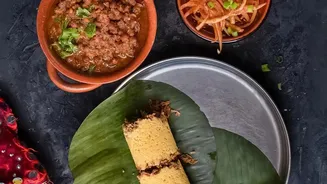
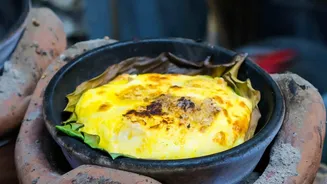
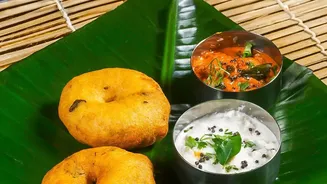
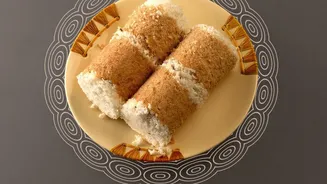
The most exciting part of this trend is the food itself. For decades, mainstream Indian cuisine in cities was a homogenised mix of Mughlai and Punjabi dishes. Now, diners are seeking out deeper, more specific culinary stories. Micro-cloud kitchens are meeting this demand by offering hyper-regional and, most intriguingly, tribal cuisines. These are recipes passed down through generations in communities from states like Nagaland, Jharkhand, Odisha, and Chhattisgarh. Think smoked pork from Nagaland, dishes made with foraged greens and flowers from the Koya tribe in Andhra Pradesh, or ragi-based delicacies that offer a healthier, rustic alternative to common grains. This food is not just about novel flavours; it's a taste of a culture, often highlighting techniques like fermentation and the use of natural, local ingredients that are both nutritious and delicious.
The Urban Diner's Quest for Authenticity
So, why the sudden appetite for these once-obscure dishes? Several factors are at play. Today’s urban diner, particularly the millennial and Gen Z population, is more adventurous. They are culinary explorers, driven by a desire for new experiences and authentic stories behind their food. Social media has played a huge role, with food bloggers and influencers showcasing the incredible diversity of India's regional foods, moving beyond stereotypes. There's also a growing wellness trend, with a conscious shift towards food that is seen as clean, natural, and unprocessed. Tribal cuisines, with their emphasis on foraged ingredients, millets, and traditional cooking methods, align perfectly with this modern pursuit of healthy yet flavourful eating.
A Win-Win for Chefs and Customers
The micro-cloud kitchen model creates a symbiotic relationship. For home chefs and entrepreneurs from tribal communities, it provides an unprecedented platform to preserve their culinary heritage and turn it into a sustainable livelihood. It allows them to share 'edible time capsules' without compromising on the authenticity of the recipes, which often get diluted in a commercial restaurant setting. For customers, it offers a portal to an entirely new world of Indian food. Instead of a generic curry, they can order a specific dish that tells a story of a particular region and community. This direct-to-consumer approach fosters a personal connection; you're not just ordering from an app, you're often interacting with the person who cooked your meal with care and tradition.
The Future is Hyper-Regional
This trend is more than a passing fad; it signifies a structural shift in India’s food landscape. As diners continue to crave novelty and authenticity, the definition of 'Indian food' is expanding to become more granular and diverse. While challenges like sourcing unique, region-specific ingredients and scaling up a niche business remain, the path is set. Initiatives that train and empower home chefs are already helping bring these traditions to a wider audience. These micro-kitchens are not just feeding cities; they are reshaping palates and helping preserve the invaluable culinary diversity of India's native communities, proving that sometimes, the biggest flavours come from the smallest kitchens.