

The Foundation: Permitted Flours and Grains
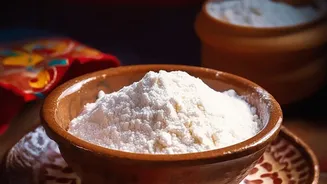
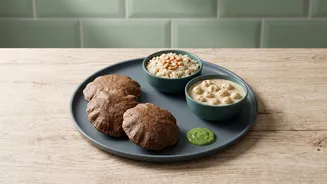
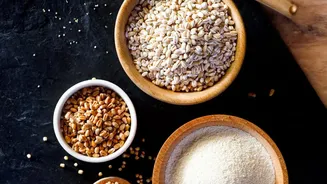
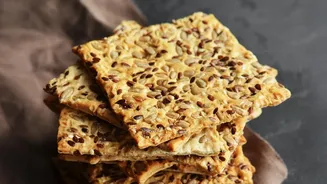
During Navratri, regular grains like wheat and rice are avoided. Instead, the focus shifts to a category of pseudo-grains and specific flours that are both nourishing and easy to digest. The most popular choices are Kuttu ka Atta (buckwheat flour), Singhare
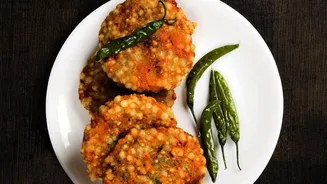
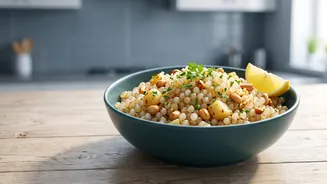
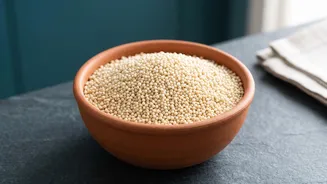
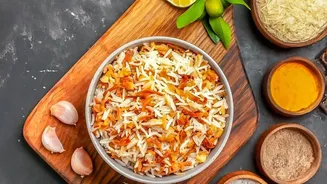
ka Atta (water chestnut flour), and Rajgira ka Atta (amaranth flour). These are gluten-free and can be used to make everything from puris and rotis to pancakes and pakoras. Another key ingredient is Samak ke Chawal (barnyard millet), a wonderful substitute for rice used in making khichdi, pulao, and even kheer. Sabudana (tapioca pearls) is another fasting staple, perfect for preparing khichdi, vadas, and kheer.
Energising Vegetables for Your Meals
While the list of permitted vegetables is specific, it offers plenty of variety. Potatoes are a versatile favourite, forming the base of many dishes like jeera aloo and dahi aloo. Sweet potatoes (shakarkandi), pumpkin (kaddu), arbi (colocasia), and yam (suran) are other excellent root vegetables that provide sustained energy. Bottle gourd (lauki) and cucumber are light, hydrating options often used in sabzis or eaten raw. It is important to note that vegetables like onion and garlic are strictly avoided during the fasting period. Tomatoes are generally permitted, often considered a fruit.
The Flavour Palette: Spices and Herbs
Flavour is not compromised during Navratri fasting, though the spice palette is simpler and milder. The most significant switch is from regular table salt to Sendha Namak (rock salt), which is considered a pure, unprocessed form of salt suitable for vrat meals. Spices that are generally allowed include Jeera (cumin), Kali Mirch (black pepper), Hari Elaichi (green cardamom), Laung (cloves), and Dalchini (cinnamon). These are considered sattvic, meaning they are pure and keep the body light. Fresh herbs like green chillies, ginger, and coriander leaves are also widely used to add freshness and flavour to dishes. Spices like turmeric and garam masala are typically avoided.
Dairy, Fruits, and Nuts for Wholesome Nutrition
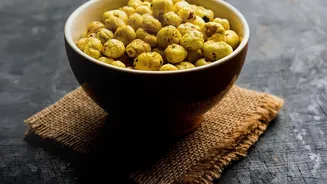
Dairy products are highly recommended during Navratri fasting. Milk, yogurt (curd), paneer (cottage cheese), and buttermilk provide essential proteins and calcium, helping to maintain energy levels. Ghee is the preferred cooking medium. All fruits are permitted and are an excellent source of vitamins, minerals, and natural sugars to keep you energised. They can be eaten raw, as a fruit chaat, or blended into smoothies and milkshakes. Nuts and seeds like almonds, walnuts, cashews, and makhana (fox nuts) are perfect for snacking and can be added to dishes for extra protein and healthy fats. A handful of roasted makhana or a mix of dry fruits can be a fulfilling snack.
Simple Breakfast and Meal Ideas
For a fulfilling breakfast, you can opt for Sabudana Khichdi, made with tapioca pearls, potatoes, and roasted peanuts. Another great option is a smoothie made with banana, walnuts, and milk, or a simple bowl of Greek yogurt topped with nuts and a drizzle of honey. For main meals, Kuttu ki Puri with Aloo ki Sabzi is a classic combination. You can also prepare a simple and light Samak ke Chawal pulao with vegetables like potatoes and carrots. Rajgira Parathas served with a side of cucumber raita make for a balanced and delicious meal.