







Why Humidity Worsens Breakouts
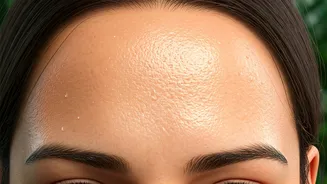
The science behind monsoon acne is straightforward. High humidity in the air triggers your skin's sebaceous glands to produce more oil, or sebum. [5, 6] This excess oil doesn't just sit on your skin; it mixes with sweat, dead skin cells, dirt, and pollutants.
[2, 3, 7] This sticky combination creates the ideal environment for clogging pores, leading to blackheads, whiteheads, and inflammatory acne. [2, 6] The constant dampness also means pores are more open and susceptible to bacterial growth, which can make existing acne worse and even trigger fungal acne. [6, 10, 13] Essentially, the moist air prevents sweat and oil from evaporating efficiently, trapping everything on your skin's surface.
Master the Art of Cleansing
During the monsoon, cleansing twice a day is non-negotiable to manage the build-up of grime and oil. [8] Over-washing, however, can strip your skin and ironically cause it to produce even more oil. [15] Opt for a gentle, gel-based cleanser. [9] For those with oily and acne-prone skin, a formula containing salicylic acid is highly effective. [4] Salicylic acid is oil-soluble, meaning it can penetrate deep into pores to dissolve the mixture of sebum and dead skin cells that causes blockages. [4] This helps clear out pores from within, not just on the surface. [4, 16] After sweating or being caught in the rain, a gentle rinse can help prevent breakouts without over-cleansing. [11]
Switch to a Lightweight Moisturiser
It might feel counterintuitive to moisturise when your skin already feels greasy, but skipping this step can backfire. Dehydrated skin often compensates by producing even more oil. [4] The key is to ditch heavy, thick creams during the monsoon. [2, 15] Instead, opt for lightweight, oil-free, and non-comedogenic formulas that won't clog pores. [15] Gel-based or water-based moisturisers are ideal for providing hydration without adding extra weight or shine. [8, 9] Look for ingredients like hyaluronic acid or niacinamide, which help hydrate and support the skin barrier without feeling heavy. [9]
Exfoliate Gently, Not Aggressively
Exfoliation is crucial for sloughing off the extra dead skin cells that accumulate in humid weather and contribute to clogged pores. [8] However, it's important to be gentle. Harsh physical scrubs can irritate already-sensitive monsoon skin and worsen inflammation. [4] A better approach is chemical exfoliation, once or twice a week. [13, 17] Products containing Alpha Hydroxy Acids (AHAs) or Beta Hydroxy Acids (BHAs) like salicylic acid can effectively clear away dead cells and decongest pores. [16] These ingredients help reduce the risk of breakouts without causing irritation. [13, 16]
Don't Skip Sunscreen, Even on Cloudy Days
A common mistake during the monsoon is assuming that cloudy skies mean you're safe from the sun. UV rays easily penetrate through clouds and can still cause damage, inflammation, and worsen post-acne marks. [4, 9] Applying sunscreen every day is essential. [8] The challenge is finding one that doesn't feel sticky or contribute to clogged pores. Look for lightweight, non-comedogenic, and gel-based sunscreens with at least SPF 30. [4, 17] A matte-finish formula can also help control the shine that comes with humidity. [17]
Make Small Lifestyle Adjustments
Beyond your skincare routine, a few simple habits can make a big difference. Avoid touching your face, as your hands can transfer bacteria and oil to your skin. [11] Change your pillowcases frequently, as humidity can lead to a faster buildup of bacteria on fabrics. [4] If you have long hair, try to keep it off your face, as oils and dirt from your hair can be transferred to your skin. [8] Similarly, keeping your scalp clean can prevent dandruff-related forehead breakouts. [8, 9] Finally, if you get caught in the rain or sweat heavily, change out of damp clothes as soon as possible to prevent body acne. [11]