


The Rise of a Flavour Contradiction
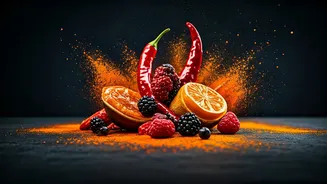
First, let's define our terms. ‘Swicy’ is a portmanteau of sweet and spicy, a flavour profile that delivers a one-two punch to the palate. It starts with the comforting, familiar taste of sweetness, which is quickly followed by the thrilling, lingering
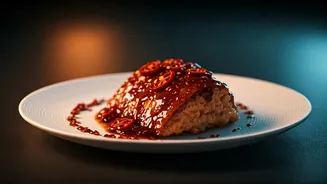
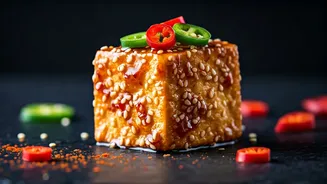
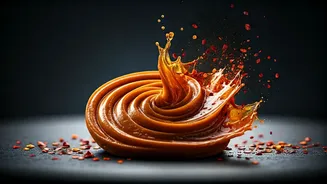
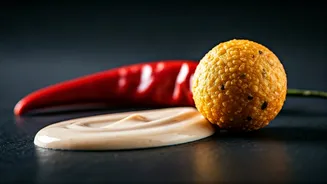
heat of chilli. Think of the glaze on Korean fried chicken, the tangy heat of a peri-peri sauce, a drizzle of hot honey on pizza, or even the surprising kick in a spicy guava drink. This isn't just about adding spice to a sweet dish; it's about creating a balanced, complex experience where both elements elevate each other. For years, Indian snacks have flirted with this combination, but the current wave is bolder, more global, and specifically targeted at a younger generation seeking novelty in every bite.
A Craving Fuelled by Global Screens
A huge driver of the swicy explosion is what’s happening on our phones. The global popularity of K-culture—from K-dramas featuring characters devouring glistening bowls of tteokbokki (spicy rice cakes) to the viral 'fire noodle challenge' on YouTube and TikTok—has introduced millions of young Indians to Gochujang, a sweet and spicy Korean chilli paste. These food trends are intensely visual. The glossy red sheen of a swicy sauce or the vibrant colour of a spicy dish makes for compelling content. Mukbang videos, where creators eat large amounts of food for an audience, have further normalised these intense flavours. When a favourite influencer raves about a new spicy ramen or a swicy burger, it becomes an instant must-try, turning eating into a shareable, social experience.
The Psychology of the Palate
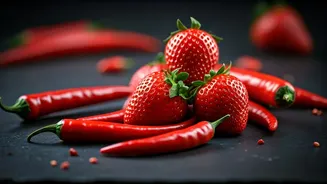
Why is this combination so addictive? The appeal is rooted in sensory science. Sweetness is universally perceived as pleasant and safe, triggering reward centres in our brain. Spiciness, caused by capsaicin in chillies, tricks the brain into thinking the mouth is in pain, releasing endorphins to counteract it. This creates a mild, pleasant rush, similar to a 'runner's high.' When you combine the two, you get a dynamic experience: the initial sweetness is a welcoming embrace, while the slow-building heat provides a jolt of excitement. For a generation raised on constant stimulation and novelty, a food that offers a multi-layered sensory journey is far more appealing than a one-note flavour. It’s not just food; it’s a low-stakes thrill.
A Modern Twist on Indian Tradition
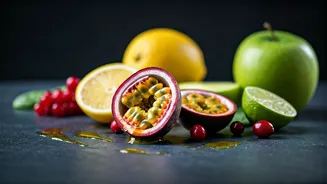
While the current trend feels new and global, the concept of balancing sweet and spicy is deeply embedded in Indian cuisine. It’s not an alien concept to a palate accustomed to the complexities of chaat, which masterfully blends sweet tamarind chutney with spicy green chutney. It’s present in Gujarati dal with its notes of jaggery and chilli, Parsi cuisine's love for sweet and sour profiles, and the countless pickles (achaar) that mix sweet fruit with fiery spices. The modern swicy trend can be seen as a contemporary reinterpretation of this traditional wisdom. Instead of tamarind, the sweetness might come from honey or mango; instead of local chillies, the heat might come from peri-peri or habanero. It’s a familiar food philosophy presented in a new, globally-influenced package that resonates with a generation that is both proud of its heritage and open to the world.
How Brands are Cashing In
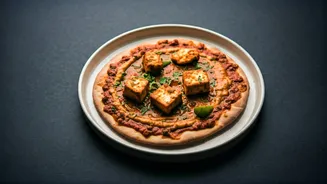
Where there's a trend, there's a business opportunity. Food and beverage giants have been quick to respond. Fast-food chains are leading the charge: McDonald's McSpicy range, often paired with sweet sauces, is a perennial favourite, while limited-edition items like KFC's spicy maple-glazed chicken or Pizza Hut's 'Spicy Schezwan' pizza tap directly into the swicy craze. The snack aisle is ground zero for this flavour war. Brands like Lays and Kurkure are constantly launching variants like ‘Chile Limón’ or other sweet-and-spicy combinations. Even beverage companies are experimenting, with spicy versions of mango juice and guava drinks becoming popular. These products are often marketed with vibrant, youth-focused packaging and social media campaigns, reinforcing the idea that swicy is the flavour of now.