



More Than a Condiment, A Jar of Memories
In India, pickle or 'achaar' is not merely a side dish; it's a culinary legacy. The practice of pickling is a tradition passed down through generations, a way of preserving not just seasonal produce but also family stories and secret recipes. The annual
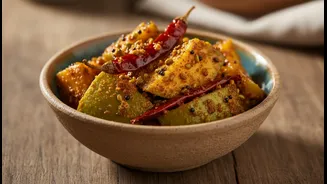
pickle-making process is often a communal affair, bringing families together to chop, mix, and sun-dry ingredients, turning a simple kitchen task into a cherished bonding experience. A jar of homemade tomato pickle on the shelf is a taste of home, a reminder of love and tradition that can make even the simplest meal of dal and rice feel like a feast.
Choosing the Right Tomatoes
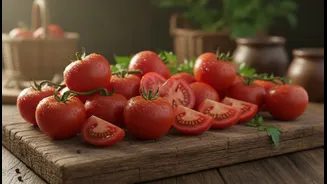
The foundation of a great pickle is, unsurprisingly, the right primary ingredient. While tomatoes are available year-round, certain varieties are better suited for pickling. Look for ripe, firm, and fleshy tomatoes. Varieties with less water content and fewer seeds, like Roma or some native 'desi' types, are ideal as they cook down well and give the pickle a rich, concentrated flavour. Some cooks even prefer firm green tomatoes for a different kind of tang. Whatever you choose, ensure they are fresh and free from blemishes.
The Soul of the Pickle: Spices and Oil
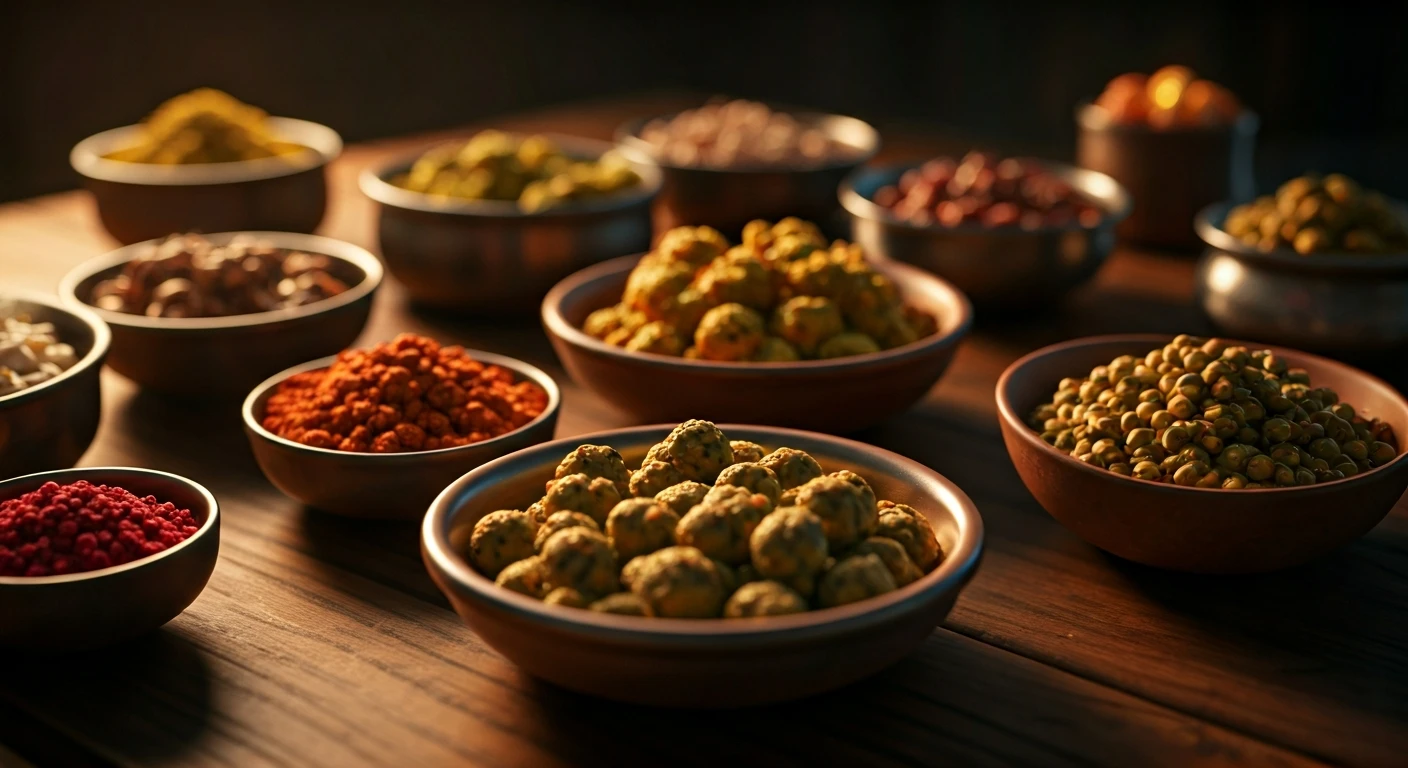
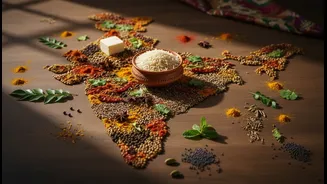
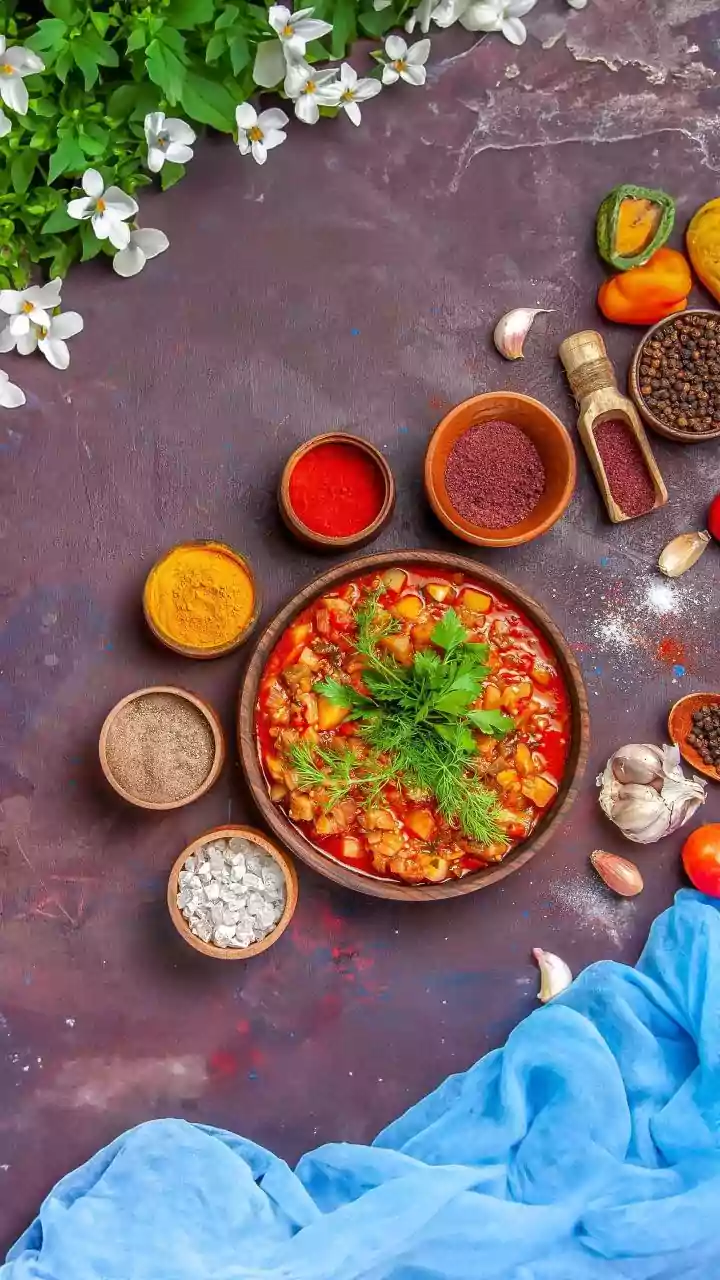
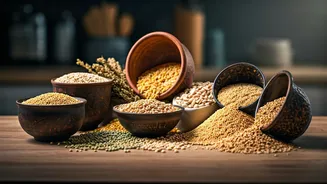
The magic of Indian pickles lies in their complex spice blends. For tomato pickle, the quintessential spices include mustard seeds, fenugreek (methi) seeds, red chilli powder, turmeric, and asafoetida (hing). Dry roasting the fenugreek and mustard seeds before grinding them releases their aromatic oils and deepens the flavour. The choice of oil is also crucial and often regional. While sesame (gingelly) oil is preferred in the South for its nutty aroma and preservative qualities, mustard oil is common in the North. Don't be shy with the oil; a generous layer on top helps preserve the pickle for longer.
The Art of the Process
There are two main methods for making tomato pickle: the traditional sun-dried version and the quicker, cooked version. The sun-dried method is a labour of love, requiring time and patience but resulting in a pickle that can last for years. The cooked version, which is more common today, involves cooking down chopped tomatoes until they are soft and mushy and the moisture has evaporated. A key ingredient for longevity and tang in many South Indian recipes is tamarind. Once the tomato base is ready, it's mixed with the ground spice powders. The final step is the 'tadka' or tempering, where hot oil with mustard seeds, dried red chillies, garlic, and curry leaves is poured over the pickle, sealing in the flavours and adding another layer of aroma.
Patience and Preservation
A freshly made pickle is good, but a well-rested pickle is even better. Allowing the pickle to sit for a few days lets the flavours meld and mature, creating a more rounded and delicious taste. Proper storage is key to making your pickle last. Always use a clean, completely dry glass or ceramic jar. Moisture is the enemy of pickles, so ensure your spoons and hands are dry when you handle them. While a well-made tomato pickle with enough oil and salt can last for months at room temperature, storing it in the refrigerator is a good practice to extend its shelf life, especially given the higher moisture content of tomatoes compared to mangoes.