




Why We're Breaking Up With Soda
Let’s be honest: the allure of a cold, fizzy soda is powerful. But for many of us, that brief satisfaction is followed by a nagging awareness of what we’re actually consuming. A single 12-ounce can of cola can pack nearly 40 grams of sugar—often in the form
of high-fructose corn syrup—along with artificial colors, flavors, and acids that do little for our well-being. This high sugar content is linked to a host of health concerns, and the “empty calories” offer no nutritional value. The search for a beverage that is both refreshing and genuinely good for you has led many to look beyond the convenience store cooler and into the world of natural, whole-food ingredients. Ditching soda isn't about deprivation; it's about discovering a more exciting and rewarding way to quench your thirst.
The Exotic Answer: What Is Kokum?
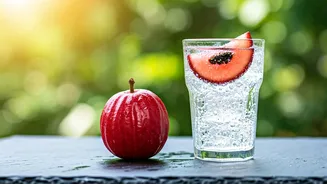
Enter kokum, a deep-purple fruit native to the Western Ghats of India. A relative of mangosteen, this small, round fruit has been a staple in Indian cuisine and Ayurvedic tradition for centuries. When dried, its rind provides a unique tangy, sour, and slightly salty flavor that is unlike anything in the typical American pantry. It's not sharply acidic like lemon; instead, it offers a deeper, more complex sourness that beautifully balances sweetness. Traditionally, kokum is prized for its cooling properties, making it the star ingredient in a refreshing drink known as Kokum Sherbet, especially popular during hot summer months. It’s also celebrated for its potential digestive benefits and is rich in antioxidants. For the adventurous palate, kokum is a gateway to a whole new world of flavor.
A Taste of Tradition: Simple Kokum Cooler
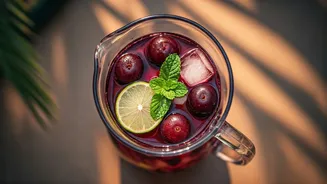
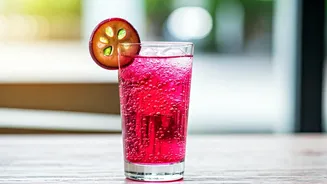
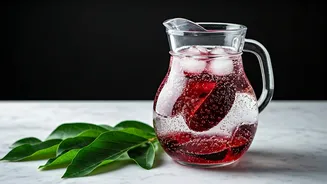
Making a kokum mocktail is surprisingly simple. You won't need the fresh fruit, but rather kokum concentrate or syrup, which can be found at most Indian grocery stores or online. This syrup has already balanced the fruit's tartness with a touch of sugar (look for brands with minimal additives) and spices like cumin and black salt. To create a refreshing Kokum Cooler, simply mix one or two tablespoons of the concentrate with a glass of chilled water or sparkling water for fizz. Stir well and serve over ice. For a modern twist, add a sprig of fresh mint or a thin slice of lime. The result is a visually stunning, ruby-red drink with a sweet-and-sour profile that is incredibly thirst-quenching and sophisticated. It’s the perfect non-alcoholic option for a dinner party or a simple afternoon treat.
Back to Nature: The Wild Berry Alternative
If kokum feels a step too far for now, you can find an equally delicious and healthy soda replacement in your local produce aisle: wild berries. Blueberries, raspberries, blackberries, and strawberries are familiar, accessible, and packed with nutritional power. They deliver natural sweetness, satisfying fiber, and a powerful dose of antioxidants and vitamins. Unlike the one-note sweetness of soda, a mix of berries provides a dynamic, layered flavor profile—the tartness of raspberries, the earthy sweetness of blackberries, and the bright pop of blueberries. Using whole, muddled fruit instead of an artificial syrup ensures you’re getting all the benefits of the plant while controlling the sugar content yourself.
Your Go-To Berry Sparkler
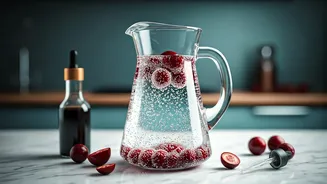
Crafting the perfect wild berry mocktail is more of a formula than a strict recipe, allowing for endless customization. Start by adding a handful of mixed berries (fresh or frozen and thawed) to the bottom of a sturdy glass. Using a muddler or the back of a spoon, gently press the berries to release their juices and vibrant color. Next, squeeze in the juice of half a lime or lemon to brighten the flavors. Fill the glass with ice and top it off with your favorite sparkling water or club soda. For an herbal note, toss in a sprig of fresh mint, basil, or even rosemary. If you prefer a bit more sweetness, a tiny drizzle of honey or maple syrup is a far better choice than refined sugar. Give it a gentle stir, and you have a gorgeous, bubbly, and invigorating drink that’s as pleasing to the eye as it is to the palate.