




The Monsoon's Fury
Every year, from June to September, the Indian subcontinent is transformed by the monsoon. While these rains are vital for agriculture, in the mountainous north they often bring devastation. In states like Uttarakhand and Himachal Pradesh, and parts of Jammu
and Kashmir, heavy rainfall saturates the soil on steep slopes, leading to catastrophic landslides that wash away roads, homes, and entire villages. News of blocked highways and rescue operations becomes a grim, seasonal reality. For travellers, this period is typically marked by warnings and advisories to avoid the hills, as the very mountains that draw visitors become sources of peril.
A High-Altitude Sanctuary
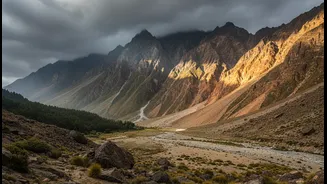
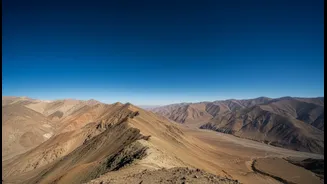
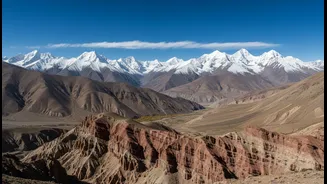
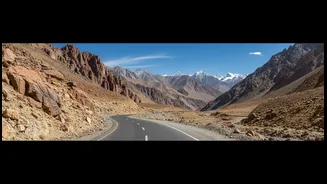
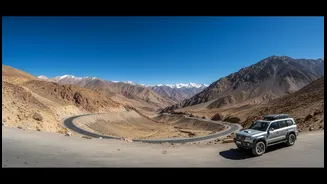
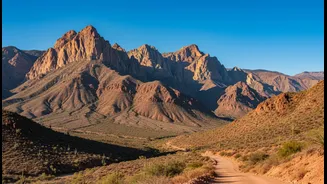
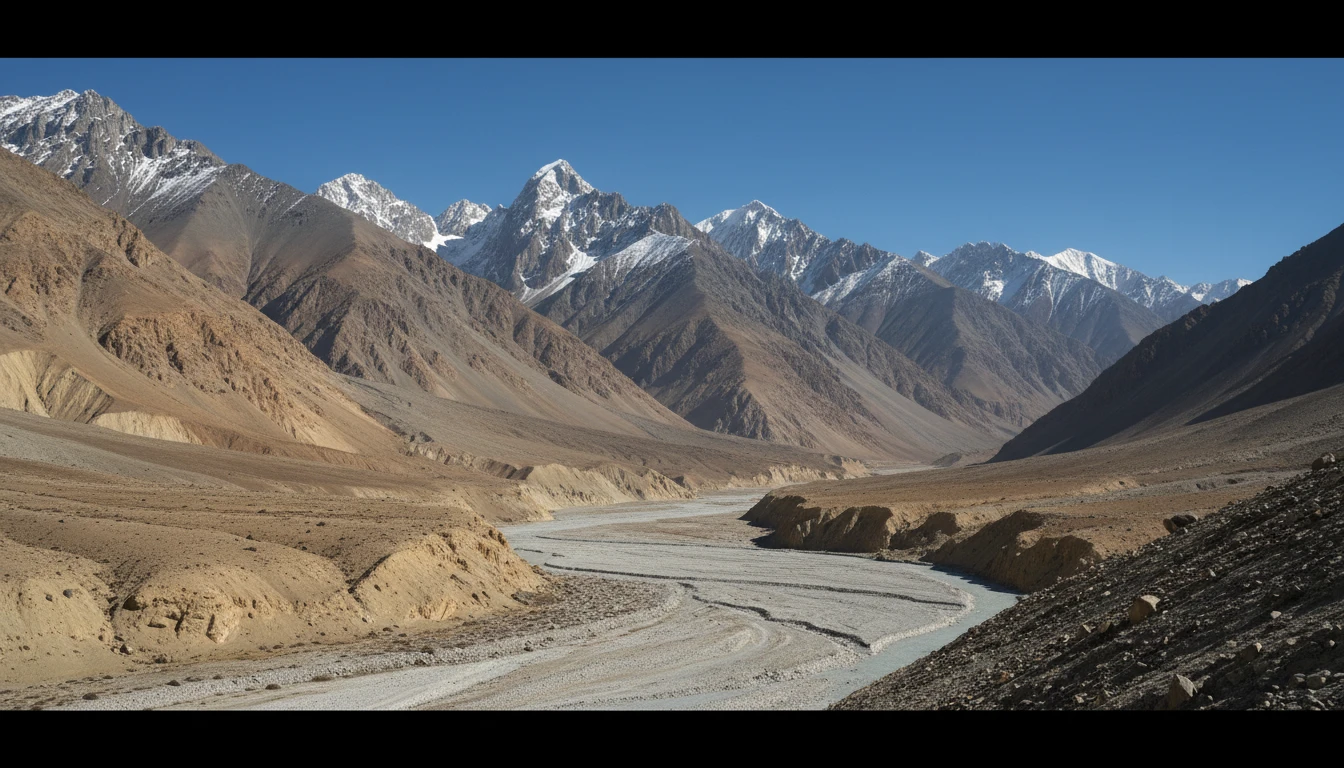
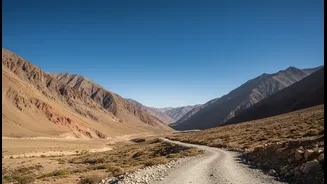
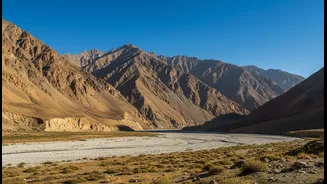
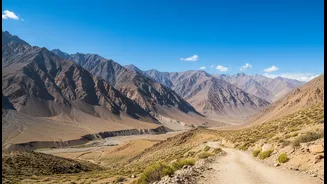
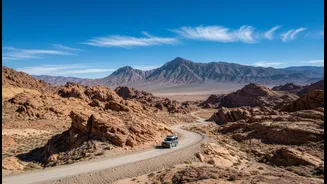
Yet, in this same timeframe, thousands of travellers flock to Ladakh and the Spiti Valley. Instead of lush, rain-soaked landscapes, they find vast expanses of barren, rocky terrain under clear, sunny skies. These regions are not just accessible during the monsoon; it is, in fact, the best time to visit them. Roads are generally open and the weather is pleasant, offering a stark contrast to the chaos unfolding in other parts of the Himalayas. This has earned them a reputation as India's safest monsoon mountain destinations. The reason for this dramatic difference is that they lie within a 'rain shadow'.
The Great Himalayan Wall
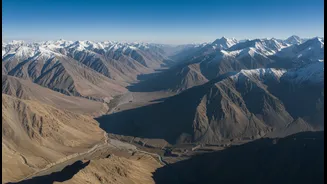
The phenomenon responsible for this is called the rain-shadow effect, and the Himalayas are its primary architect. The summer monsoon begins as moisture-laden winds travelling north from the Bay of Bengal and the Arabian Sea. When this massive, wet air mass encounters the Himalayan mountain range, it is forced to rise. This process is known as orographic lift. The Great Himalayan and Pir Panjal ranges act as a colossal wall, blocking the northward path of these clouds.
How a Rain Shadow Forms
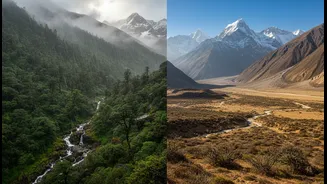
As the moist air is pushed to higher altitudes, it rapidly cools. This cooling causes the water vapour to condense into droplets, forming thick clouds. The clouds then release their moisture as heavy rainfall on the side of the mountains facing the wind — the windward side. This is why regions on the southern flanks of the Himalayas, like Himachal Pradesh and Uttarakhand, receive such intense monsoon rains. By the time the air crests the high peaks and begins to descend on the other side — the leeward side — it has lost almost all of its moisture. This descending air warms up, further reducing humidity and creating a dry, arid climate. This dry region is the rain shadow.
Spiti and Ladakh: On the Dry Side
Ladakh and Spiti Valley are located squarely on the northern, leeward side of these major Himalayan ranges. The mountains effectively shield them from the monsoon, preventing the rain-bearing clouds from ever reaching them. This is why both regions are classified as cold deserts, characterised by extremely low precipitation — some areas receive as little as 10 cm of rain annually. Their surreal, moon-like landscapes are a direct result of this rain shadow, which protects them from the water-triggered landslides common elsewhere.
Safer, Not Invincible
While these regions are safe from large-scale, monsoon-driven landslides, it would be a mistake to consider them completely immune to natural hazards. The primary risk often lies on the approach roads, such as the Manali-Leh highway, which cross the rain-soaked windward side and are susceptible to blockages. Furthermore, climate change is making weather patterns more erratic. In recent years, even these arid regions have experienced unprecedented rainfall events and flash floods, sometimes triggered by localized cloudbursts or rapid glacial melt. While Spiti and Ladakh remain a far safer bet for monsoon travel than other Himalayan destinations, visitors must remain aware that mountain environments are inherently unpredictable and always require caution.