



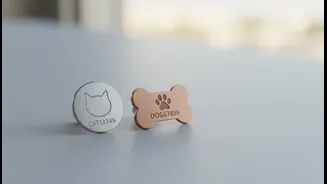



From Pet Owner to 'Pet Parent'
The foundation of India's booming premium pet economy is a simple emotional shift: owners now see themselves as 'pet parents'. This concept, known as pet humanization, has transformed spending habits. Once content with leftovers and basic vet visits,
today's urban pet parent invests in their furry companions' health and happiness with the same dedication they would a child. The numbers back this up, with the Indian pet care market valued at over ₹30,000 crore in 2024 and projected to grow exponentially. This growth isn't just about more pets—household pet numbers grew from 26 million in 2019 to over 32 million in 2024—it's about a deeper, more financially significant bond. This shift is most prominent among Millennials and Gen Z in nuclear families, who have higher disposable incomes and a strong desire for companionship.
The New Standard in Pet Nutrition
Gone are the days when a simple bag of kibble would suffice. The pet food segment, which dominates the market, is seeing a massive surge in its premium and super-premium categories. Pet parents are now scrutinizing labels and opting for specialized diets, including grain-free meals, breed-specific formulas, and fresh-cooked food subscriptions. Brands like Royal Canin and Farmina N&D cater to specific health needs, while homegrown startups are offering human-grade ingredients and even vegetarian options to align with cultural values. This demand for high-quality nutrition is driven by a growing awareness of how diet impacts long-term health, addressing issues like obesity, allergies, and digestive wellness.
Healthcare Beyond the Annual Jab
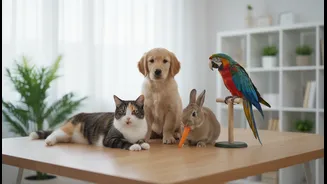
Veterinary care in India is evolving from reactive treatments to proactive wellness. The market is expected to reach USD 6.3 Billion by 2034, driven by a focus on preventive care. Pet parents are investing in advanced diagnostics, specialized surgeries, and regular dental check-ups, treating pet health with newfound seriousness. This has also spurred the growth of allied services like pet insurance to manage the rising costs of advanced medical treatments. Furthermore, there is a rising demand for specialized care for a diversifying pet population, which now includes not just dogs and cats, but also rabbits, exotic birds, and reptiles.
Grooming, Spas, and Five-Star Pampering
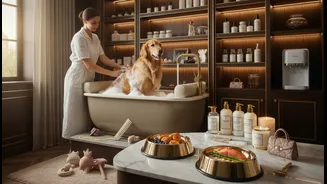
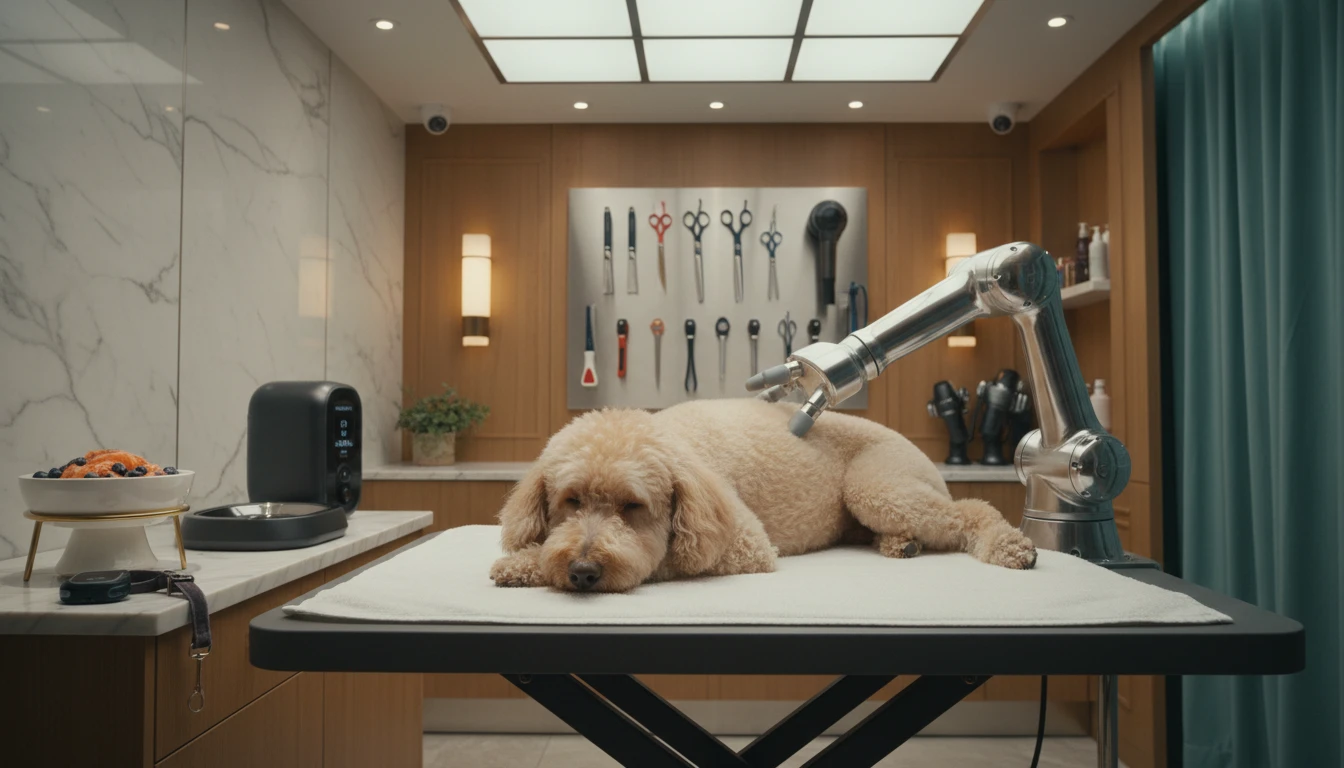
The concept of pet grooming has been completely reimagined. What was once a basic wash is now a luxury spa experience. High-end grooming salons and mobile vans offer services like aromatherapy massages, blueberry facials, 'paw-dicures', and stylish haircuts. Establishments like Heads Up For Tails have built extensive pet spa networks, often in major metro areas like Delhi, Mumbai, and Bengaluru. This trend is about more than aesthetics; it's about preventative wellness. Parents are willing to pay for hypoallergenic shampoos and skin treatments to prevent costly veterinary issues down the line, seeing a spa session as a health investment. These services often operate on a cage-free, low-stress model, prioritising the pet's mental well-being during the pampering process.
Have Pet, Will Travel
The days of leaving pets behind during holidays are fading. 'Paw-cations' are a fast-growing trend, with airlines and hotels rapidly adapting to accommodate furry travellers. Bookings for pet-friendly hotels and villas have surged, with some platforms seeing growth of over 40% in a single year. While dogs and cats are the most common travel companions, the hospitality industry is expanding its offerings to be more inclusive. Airlines like Air India and Akasa Air have reported significant increases in the number of pets flown both domestically and internationally. This has created an entire ecosystem of services, from pet-friendly restaurant patios to curated road-trip itineraries, as a growing number of Indians refuse to travel without their four-legged family members.