








The Classic Escape: Delhi to Kasauli
A perennial favourite for a quick mountain getaway, the drive from Delhi to Kasauli becomes even more enchanting during the monsoon. This route is generally considered one of the safer hill journeys during the rains. [8] The journey takes you on the smooth
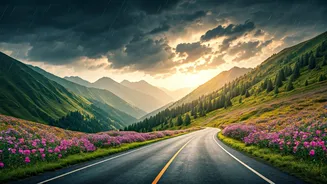
NH44 before you turn off onto the Himalayan Expressway (part of NH5). The final stretch from Dharampur to Kasauli, a drive of about 12-15 km, is where the magic truly begins, with pine-scented air and winding roads shrouded in mist. [9, 12] The colonial-era charm of Kasauli, with its quiet cobbled streets and moody, rain-washed vistas, is the perfect reward. **Monsoon Precautions:** While Kasauli is relatively safe, minor landslides can occur on the Dharampur-Kasauli stretch. [11] Roads can be slippery, and fog can reduce visibility, so it's crucial to drive slowly, especially around sharp bends, and avoid travelling after dark. [11, 18] Always check local weather advisories before starting your journey.
The Queen's Necklace in the Rains: Chandigarh to Shimla
The journey to the 'Queen of Hills' is a classic North Indian road trip. During the monsoon, the familiar views are transformed, with waterfalls appearing on hillsides and the entire valley awash in countless shades of green. The Chandigarh-Shimla highway (NH5) is a well-maintained four-lane road for the most part, making the drive relatively comfortable. [12] However, this popular route is also known for occasional landslides and traffic snarls, especially during heavy downpours. [12, 30] The reward is Shimla itself, where you can enjoy a walk on The Ridge under a cloudy sky, sipping hot coffee as a light drizzle falls. [12] **Monsoon Precautions:** The stretch between Parwanoo and Solan can be prone to landslides. [27, 30] Authorities are usually quick to clear debris, but it’s wise to have a flexible itinerary and check for real-time traffic updates. [12] State-run buses are often considered a safe alternative if you're not confident about driving in the challenging conditions. [32]
The Quiet Retreat: Delhi to Lansdowne
For those looking to escape the crowds, Lansdowne in Uttarakhand is a perfect monsoon destination. [31] The drive of about 280 km from Delhi takes you through the plains of Uttar Pradesh before the gentle climb begins at Kotdwar. [19] The final leg of the journey from Kotdwar to Lansdowne is a serene drive through dense oak and blue pine forests, with the rain making the landscape intensely green and vibrant. [16] This area receives heavy rainfall, which creates a beautifully misty and tranquil atmosphere, but also means you need to be cautious of landslide-prone zones, especially on the Dugadda to Lansdowne stretch. [16, 31] **Monsoon Precautions:** The road from Kotdwar onwards requires careful driving. This region is known for elephants, so be watchful for wildlife. [16] Some patches can be affected by landslides during intense rain. It's best to travel during the day and avoid the hills if a heavy rainfall warning has been issued by the India Meteorological Department (IMD). [24, 25]
The Offbeat Jewel: Chandigarh to Dalhousie
If you're willing to venture a bit further, the road trip from Chandigarh to Dalhousie offers breathtaking views of the Dhauladhar mountain range. The approximately 342 km journey takes you through charming towns and lush green valleys that are at their scenic best during the rainy season. [10] The drive becomes particularly picturesque as you approach Dalhousie, with colonial-era architecture peeking through thick deodar forests. The rain adds a layer of mystique to the landscape, making it a photographer's delight. While a beautiful drive, it's a longer hill journey, so preparation is key. **Monsoon Precautions:** As with other Himalayan routes, check road conditions before and during your travel, as remote stretches can be more susceptible to blockages. Ensure your vehicle is in top condition and you have supplies for potential delays. Given the distance, breaking the journey might be a comfortable and safer option.
Your Monsoon Driving Safety Checklist
No matter which highway you choose, safety is paramount when driving in the mountains during the monsoon. Before you even start the engine, a thorough vehicle check is non-negotiable. Ensure your tyres have adequate tread (at least 3mm deep is recommended), your brakes are in perfect condition, and your windshield wipers and all lights are fully functional. [15, 22] Once on the road, the rules change. Reduce your speed significantly—by about a third of your normal pace—as wet roads dramatically increase braking distances. [22, 23] Maintain a larger-than-usual gap from the vehicle in front of you. [14] Use your low-beam headlights even during the day to improve visibility for other drivers. [15, 22] Be wary of puddles that could hide deep potholes and avoid sudden braking or sharp turns, which can cause skidding. [14] Finally, never try to cross a road with fast-flowing water and always stay updated on weather alerts from the IMD. [25]