
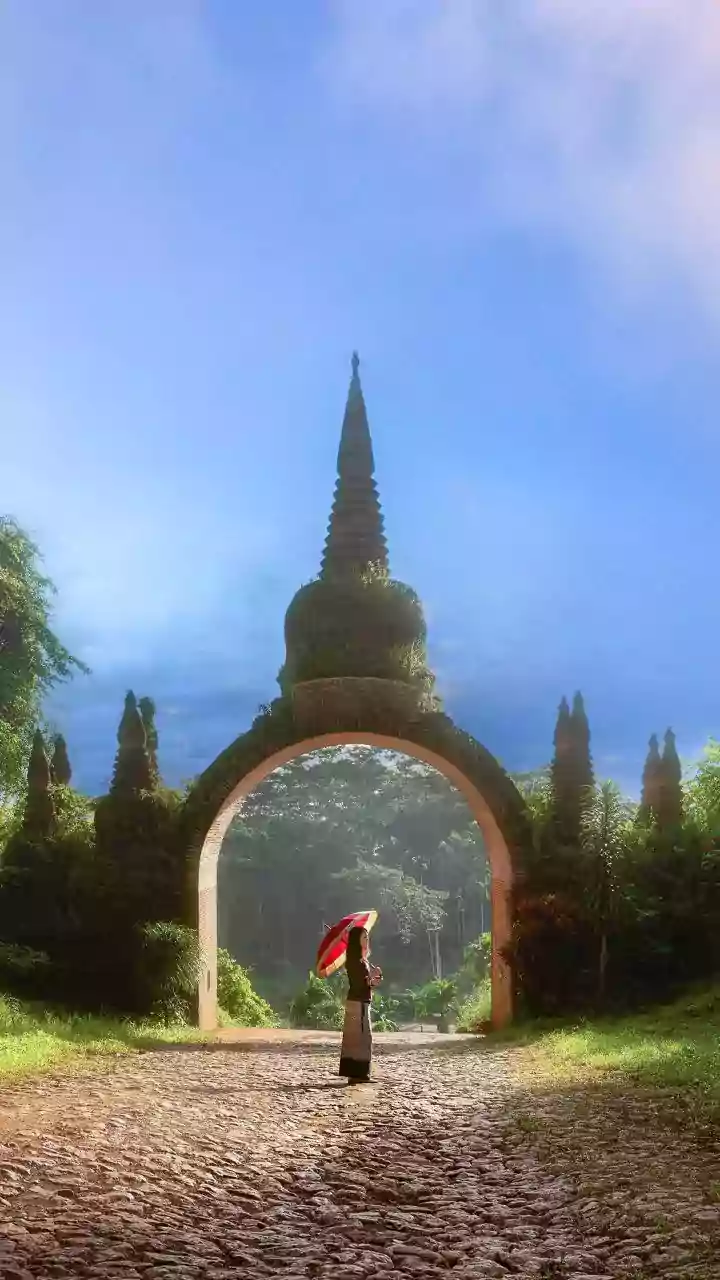


The Allure of the Bugyals
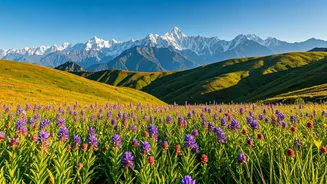
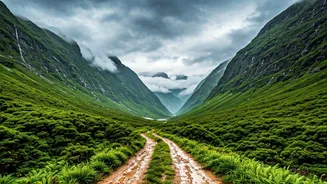
In the heart of the Indian Himalayas lies a secret world, far removed from the clamour of city life. These are the ‘bugyals’ of Uttarakhand—vast, high-altitude alpine meadows that remain hidden under snow for half the year. But when the summer sun and monsoon
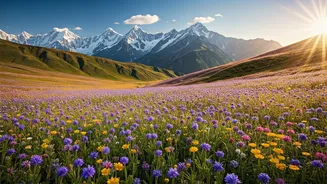
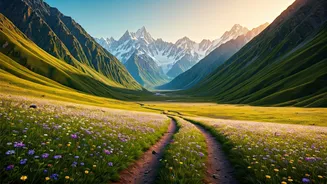
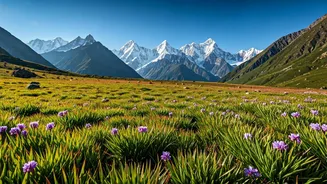
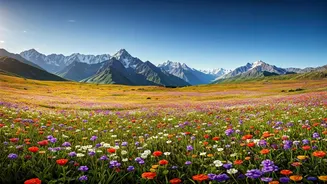
rains arrive, they transform into a breathtaking spectacle of colour. For those who crave the silence of the mountains and the thrill of a remote trail, these flowering meadows offer an experience that is both physically challenging and spiritually rejuvenating. Trekking here isn't just about reaching a summit; it's about walking through living carpets of flowers, with snow-capped giants like Nanda Devi and Trishul as your constant companions.
Valley of Flowers: The Legendary Carpet
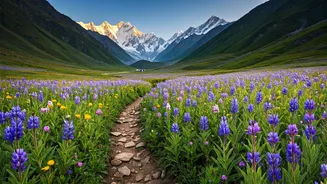
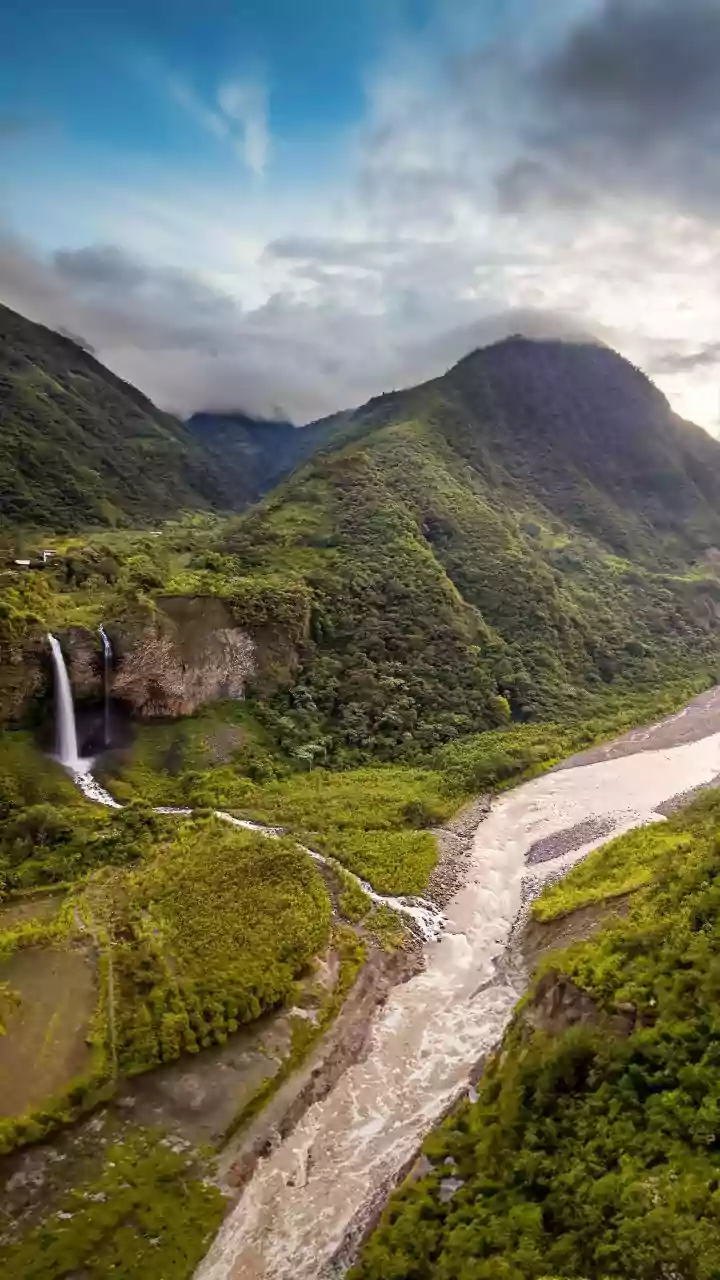
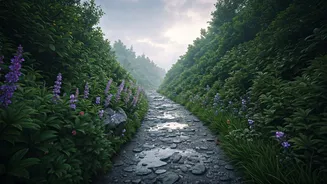
No list of floral treks is complete without the legendary Valley of Flowers. A UNESCO World Heritage Site, this ethereal valley is a botanical wonderland. From mid-July to the end of August, its slopes are blanketed with over 500 species of wildflowers, including the elusive Blue Poppy, Brahma Kamal, and Cobra Lily. The trek itself is moderately difficult, starting from the village of Govindghat and following the Pushpawati River. The trail takes you through dense forests and past gushing waterfalls before opening up into the spectacular valley. The experience is almost surreal; you are completely enveloped in colour and fragrance, with butterflies flitting all around. Due to its fame, it can be busier than other treks, but its sheer, overwhelming beauty makes it an essential pilgrimage for any nature lover.
Dayara Bugyal: The Vast Green Expanse
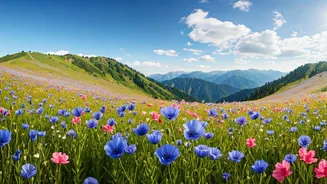
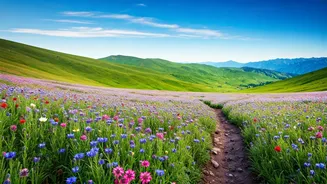
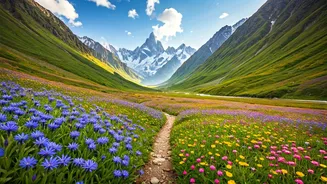
If the Valley of Flowers is a concentrated burst of floral diversity, Dayara Bugyal is an epic of rolling green meadows. Considered one of the most beautiful and expansive meadows in India, Dayara Bugyal is a fantastic trek for both beginners and seasoned hikers. While its peak floral season is during the monsoon, it remains stunning through September and October, when the skies clear to reveal panoramic views of the Gangotri and Yamunotri ranges. The trek, which begins from the charming village of Barsu, is a gradual ascent through thick oak and rhododendron forests. The reward is stepping out onto the vast, undulating meadow that stretches for over 28 square kilometres. In summer, it’s dotted with yellow and purple flowers, and the sense of space and freedom here is unparalleled.
Har Ki Dun: The Valley of Gods
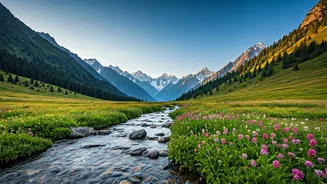
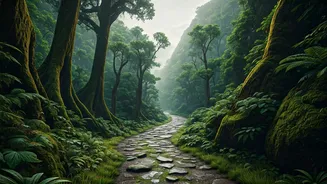
For those seeking a trek that combines natural beauty with a deep cultural immersion, Har Ki Dun is the answer. Translating to 'Valley of Gods,' this cradle-shaped valley is steeped in mythology and is believed to be the path the Pandavas took to heaven. The trek, which is moderate in difficulty, takes you through ancient villages like Osla, where the way of life has remained unchanged for centuries. The trail follows the Supin River and is lined with forests of pine and deodar, with alpine flowers like orchids and potentilla appearing as you gain altitude. The final destination is a serene valley dominated by the Swargarohini peak. Har Ki Dun offers a more rustic and remote experience, where you connect not just with nature, but with the history and people of the mountains.
Planning Your Alpine Adventure
Embarking on a high-altitude trek requires preparation. The best time for most floral treks in Uttarakhand is from July to September, during the monsoon and post-monsoon seasons. Be prepared for rain and pack accordingly with waterproof layers and sturdy trekking shoes. Physical fitness is key; start a regimen of cardio and strength training at least a month before your trip. While some trails can be attempted by experienced trekkers independently, hiring a local guide or going with a reputable trekking agency is highly recommended for safety, navigation, and a richer cultural experience. Most importantly, practice responsible trekking. Follow the principles of 'Leave No Trace'—carry your waste back, respect local customs, and leave the fragile ecosystem as pristine as you found it.