



The Drama of the Skies
Long before the rain arrives, the sky announces its coming. The clear, harsh blue of summer gives way to a dynamic theatre of clouds. Towering cumulonimbus formations gather on the horizon, their dark, bruised bases contrasting with sunlit edges, creating
a sense of anticipation. For a photographer, this is a gift. Overcast skies act like a giant softbox, diffusing sunlight and eliminating the hard shadows that can flatten a landscape. This soft, even light allows the natural colours of the scene to pop. The moments just before or after a downpour, when the sun breaks through a gap in the clouds, can illuminate a patch of green hills or a distant village, creating a dramatic, almost divine spotlight effect that is breathtaking to capture.
A World Washed Anew
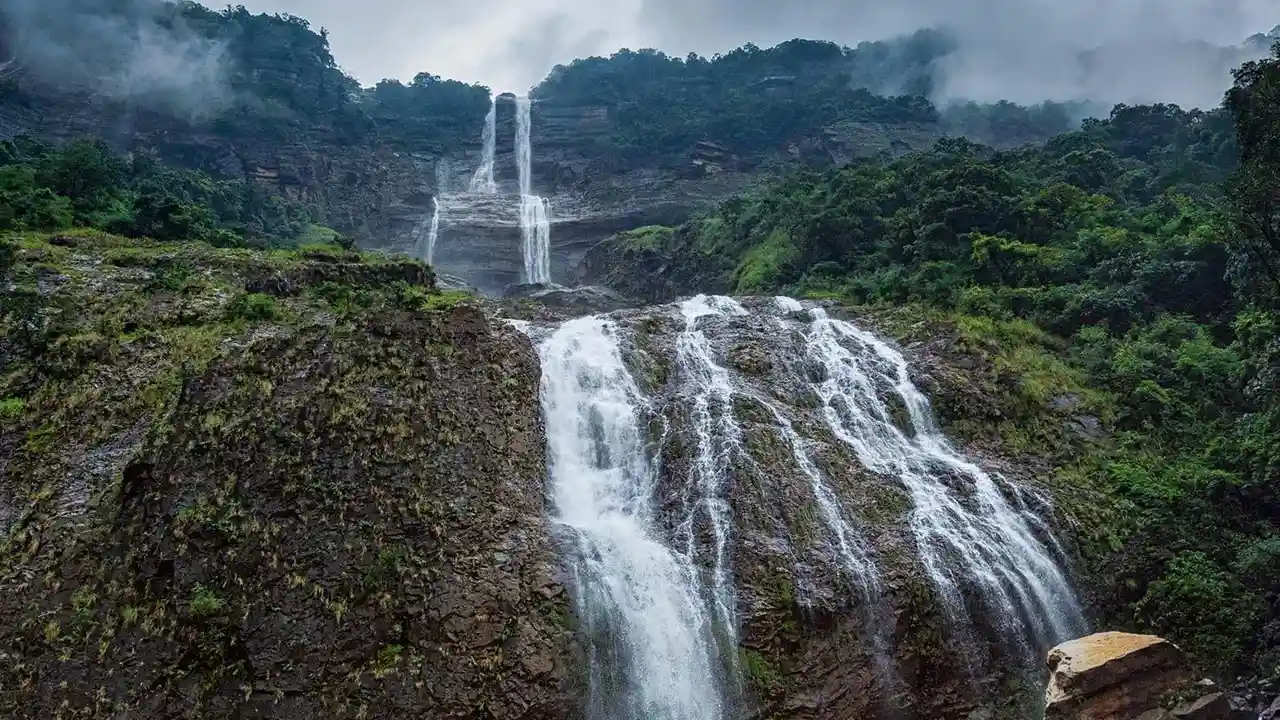
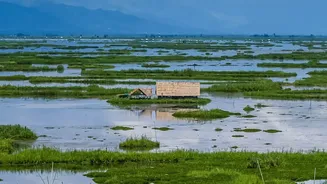
The rain itself is a powerful photographic subject. It washes away months of dust, leaving behind a world that feels clean and new. City streets, once grey and dusty, turn into glossy, reflective surfaces that mirror the lights of traffic and buildings, creating vibrant, abstract patterns. Puddles become temporary windows, offering unique compositions that capture reflections of architecture, trees, and people. In nature, the effect is even more profound. Leaves glisten as if polished, waterfalls that were mere trickles in May become roaring cascades, and rivers swell with life. Photographers often use slower shutter speeds to transform the motion of falling rain into artistic streaks or to give waterfalls a silky, ethereal quality, capturing the season's fluid energy.
The Embrace of Mist
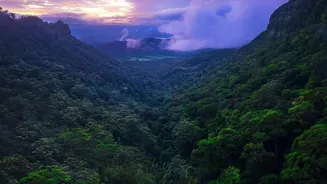
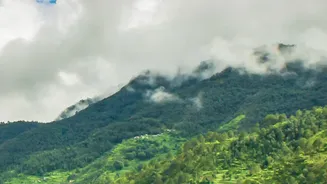
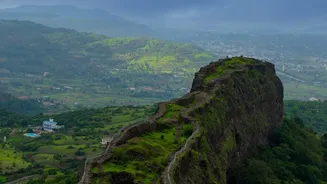
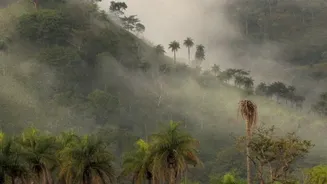
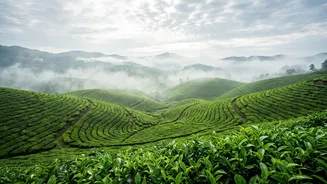
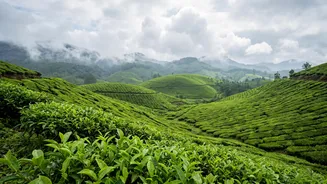
Perhaps the most magical element of the monsoon is the mist. In hill stations like Munnar, Coorg, or Shillong, fog rolls through valleys and drapes itself over tea plantations and forests. Mist simplifies a composition, hiding distracting backgrounds and forcing the viewer's eye towards the main subject—be it a lone tree, a winding road, or a distant peak. This creates a powerful sense of depth and mystery, with layers of hills fading into the white haze. The fog interacts with light in enchanting ways, catching sunbeams to create ethereal 'god rays' that slice through a forest canopy. It adds a moody, romantic atmosphere that transforms a simple landscape into a scene from a dream.
An Explosion of Green
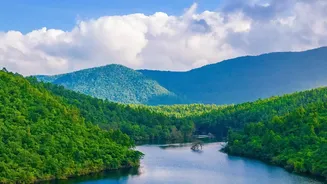
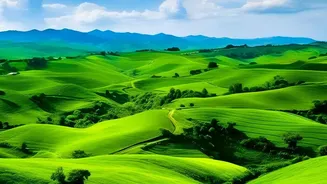
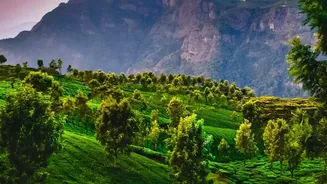
The most undeniable visual signature of the Indian monsoon is the explosion of green. Parched, brown landscapes are miraculously transformed into lush, verdant carpets. The saturation of the foliage intensifies, displaying hundreds of shades of green, from the bright, fresh shoots on a tea bush in the Western Ghats to the deep emerald of a rain-soaked forest in Meghalaya. This vibrant greenery provides a stunning backdrop for any subject. Destinations like the Valley of Flowers in Uttarakhand take this to another level, bursting into a riot of colourful wildflowers against the green and misty slopes. For photographers, using a polarizing filter during this season can enhance these greens even further, cutting through the atmospheric haze and making the colours sing.
Life in the Frame
Beyond the grand landscapes, the monsoon brings out the smaller details of life that are incredibly photogenic. It’s the macro world of raindrops clinging to a spider's web, the vibrant colours of a peacock dancing with its feathers unfurled, or the sight of children splashing in puddles. The human element adds a powerful narrative to monsoon photography. A sea of colourful umbrellas navigating a busy street, a farmer smiling at the life-giving rain, or someone sipping chai by a window streaked with raindrops—these are moments that capture the soul of the season. They tell a story not just of a beautiful landscape, but of the deep, cultural connection that India has with its most vital and dramatic season.