






The Death of the Advance Booking
Remember when you’d book your August trip to the mountains in May? That era is rapidly fading. The biggest shift in Indian travel is the dramatic shrinking of the booking window. Where travellers once planned their monsoon holidays 30 to 45 days in advance,
that window has now collapsed to just three to seven days for many. The reason is simple: uncertainty. With monsoons delivering sudden, intense deluges that can cause flash floods and landslides, travellers are no longer willing to commit their money and time weeks ahead. Instead, they are becoming armchair meteorologists, constantly checking short-term weather forecasts on their phones before making a final call. This ‘wait-and-watch’ approach has become the default, turning the travel industry’s predictive models on their head.
The Reign of the Drivable Destination
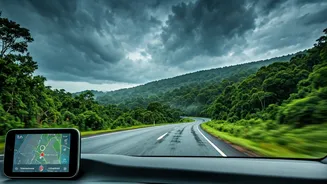
As faith in long-distance travel wanes during the rainy season, the humble road trip is having a major moment. Travellers are increasingly opting for destinations within a three-to-six-hour drive from their homes. For Mumbaikars, this means Lonavala, Igatpuri, or Alibaug. For Delhiites, it’s the nearby hills of Uttarakhand or Rajasthan. For those in Bengaluru, Coorg and Chikmagalur remain top choices. This pivot to drivable holidays is a direct response to the risk of disruption. Horror stories of being stranded due to cancelled flights or blocked railway lines have made people wary. A car offers a sense of control and a quick escape route if the weather turns. This trend is not only reshaping tourist maps but also creating a boom for hotels, homestays, and resorts in these accessible corridors.
Flexibility is the New Luxury
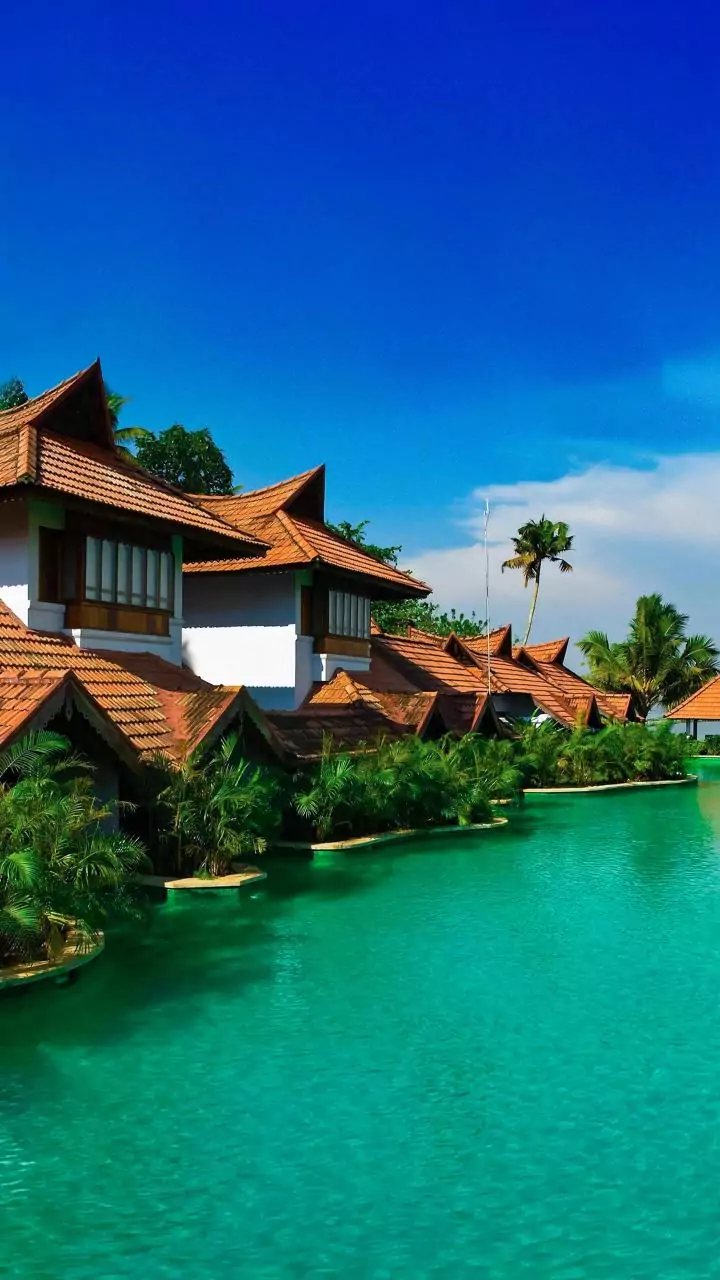
In response to customer anxiety, the hospitality industry is being forced to adapt. The new currency of travel is not just a good view or a swimming pool, but flexibility. Hotels and online travel agencies (OTAs) that offer free cancellations or easy rescheduling are winning the booking wars. Rigid, non-refundable policies are a major deterrent for today’s cautious traveller. Many resorts are also re-imagining the monsoon experience itself. They are no longer just selling a room with a view of the rain; they are selling a 'monsoon-proof' experience. This includes promoting indoor activities like spa packages, cooking classes, game rooms, and movie screenings. The goal is to assure guests that even if they are rained-in, their holiday won’t be a washout. These all-inclusive, activity-rich packages provide a safety net that encourages hesitant travellers to take the plunge.
A Shift in Destination Desirability
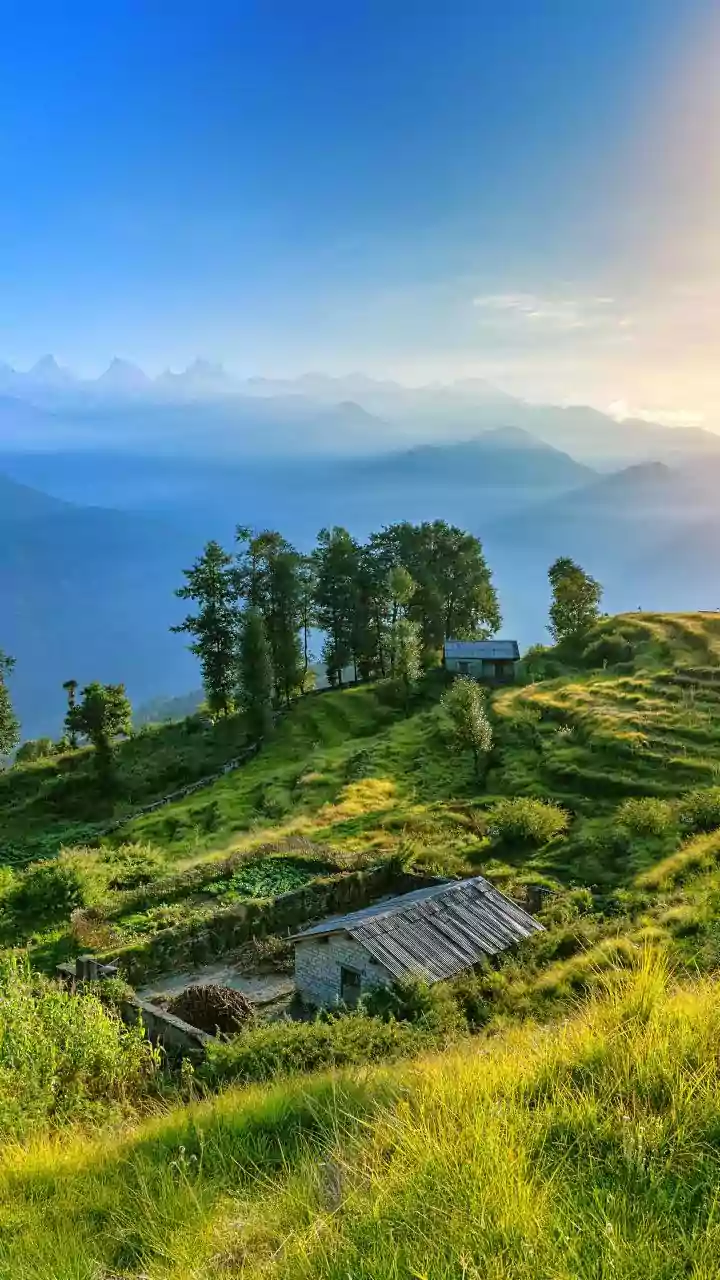
While traditional monsoon hotspots in states like Himachal Pradesh and Uttarakhand have seen a dip in interest due to recent climate-related calamities, other regions are gaining traction. Travellers are becoming more discerning, actively avoiding areas prone to flooding or landslides. This has led to a redistribution of tourist traffic. Destinations perceived as safer or less susceptible to extreme weather are seeing a surge. Furthermore, the very definition of a 'monsoon trip' is expanding. It’s no longer just about seeing lush greenery; it's about finding a safe, comfortable, and accessible sanctuary from city life for a few days. The industry is seeing a clear preference for properties that offer a self-contained, secure environment over adventurous, off-the-grid locations during this volatile season.