




Guava: The Winter Immunity Star
Often hailed as a winter superfood, guava (amrud) is a true nutritional champion. It is one of the richest sources of vitamin C, containing significantly more than oranges. Just 100 grams of white-fleshed guava can provide around 214 mg of vitamin C, which
is several times the daily requirement for an adult. This potent antioxidant content helps strengthen the immune system, making your body better equipped to fight off common winter ailments like colds and flu. Beyond immunity, guava is an excellent source of dietary fibre, with about 8.6 grams per 100g. This fibre aids digestion, helps prevent constipation, and promotes a feeling of fullness, which can assist in weight management. It also contains potassium, which is beneficial for maintaining healthy blood pressure.
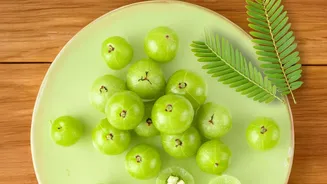
Amla: The Potent Rejuvenator
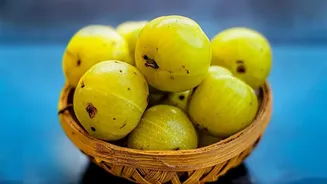
The Indian gooseberry, or amla, is another winter powerhouse renowned in Ayurveda for its health benefits. Amla is packed with an exceptionally high concentration of vitamin C, with some sources claiming it has 20 times more than an orange. This makes it incredibly effective at boosting the production of white blood cells and strengthening the body's natural defence mechanisms against infections. Regular consumption of amla during winter can help keep coughs and colds at bay. Furthermore, its antioxidant properties contribute to radiant skin by promoting collagen production and fighting dullness, a common issue in dry winter weather. It is also known to support digestive health by balancing stomach acids and enhancing nutrient absorption.
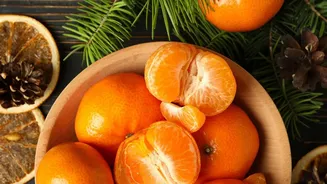
Oranges: The Classic Winter Citrus
No winter fruit list is complete without oranges (santra). These bright, juicy fruits are synonymous with the season for good reason. They are a fantastic source of vitamin C and flavonoids, which act as powerful antioxidants to fortify the immune system. While not as concentrated in vitamin C as guava or amla, a single medium orange can still provide a significant portion of your daily needs. Oranges are also rich in fibre, which supports digestive health and helps maintain regular bowel movements. The natural hydration from their high water content is an added bonus, helping to keep you refreshed during the drier winter months.
Pomegranate: The Jewel of Health
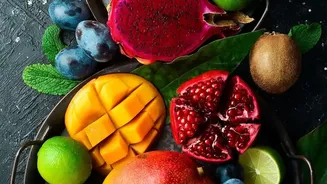
Pomegranates (anar) are not just beautiful; they are packed with powerful plant compounds and nutrients. They are particularly known for their rich antioxidant content, including punicalagins and anthocyanins, which help combat inflammation and protect cells from damage. These antioxidants are beneficial for heart health, as they may help lower blood pressure and cholesterol levels. Pomegranates are also a good source of fibre, which promotes a healthy gut. The compounds in pomegranates can act as prebiotics, feeding the beneficial bacteria in your digestive system and supporting overall gut wellness.
Custard Apple: The Creamy Energiser
Known as sitaphal, the custard apple is a unique winter treat with a creamy texture and sweet taste. It is a good source of energy and provides essential nutrients like vitamin C, vitamin B6, and magnesium. Custard apples are also rich in dietary fibre, which helps in digestion and can prevent constipation. While it is higher in natural sugars compared to some other fruits, its fibre content helps to moderate sugar absorption. The presence of potassium in custard apples is also beneficial for regulating blood pressure. Its sweet, dessert-like quality makes it a healthy way to satisfy sugar cravings during the colder months.