

The Cold-Pressed Comeback
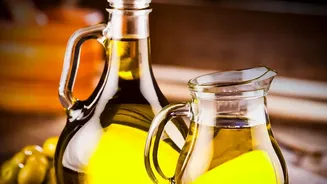
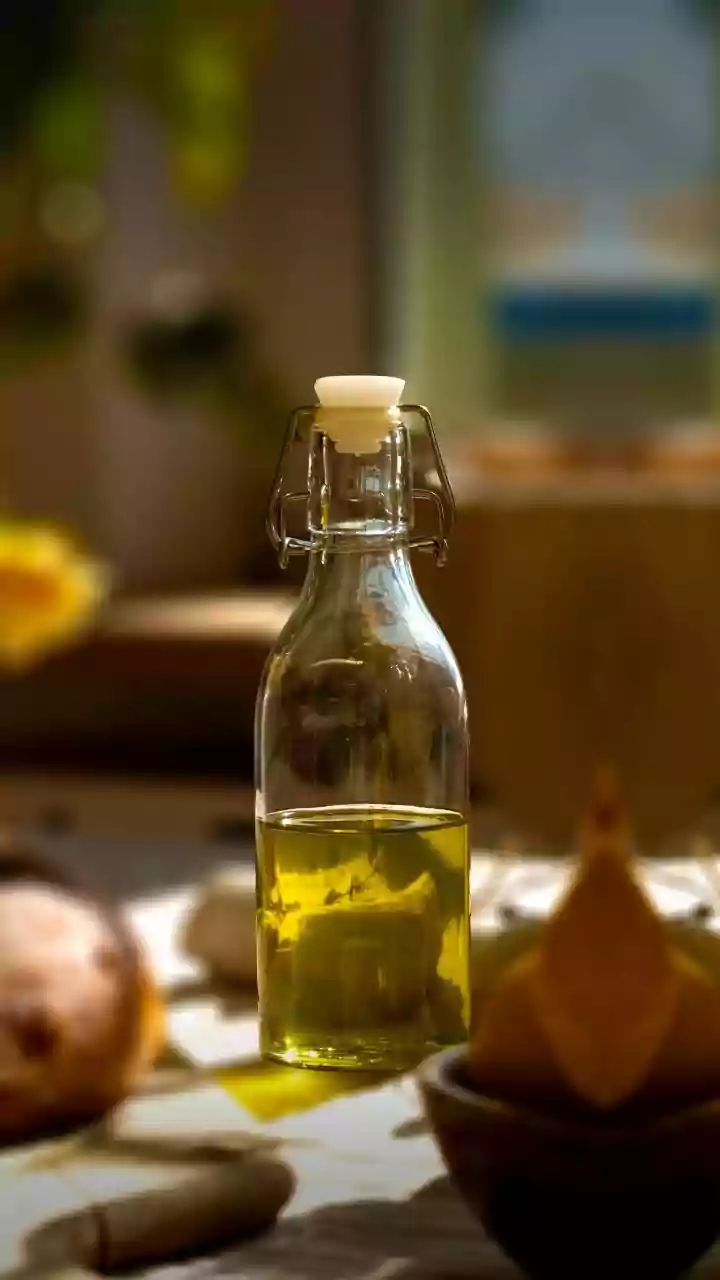
Before refined oils became the norm, Indian kitchens ran on 'kachi ghani' or cold-pressed oils. This traditional method involves crushing seeds or nuts and extracting the oil without using high heat or chemical solvents. The process is slower and yields
less oil, but it has a significant advantage: it preserves the natural flavour, aroma, and nutrients of the source ingredient. Unlike refined oils, which are often neutral and odourless, cold-pressed oils are full of character. This character isn't just a bonus; it's a key ingredient, defining the authentic taste of countless regional specialities across the country.
The Pungent Powerhouse: Mustard Oil
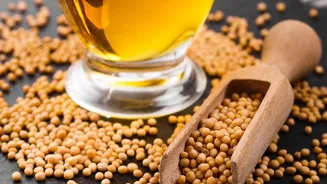
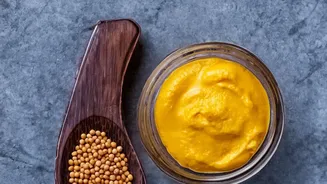
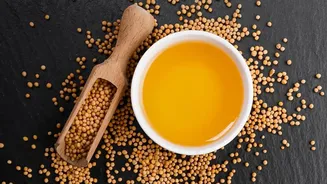
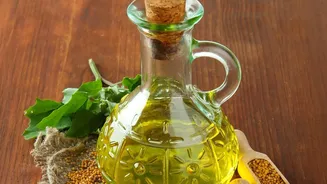
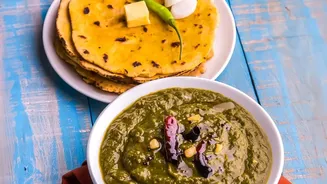
No discussion of Indian regional cooking can ignore the sharp, pungent aroma of cold-pressed mustard oil. An absolute staple in Eastern and Northern India, this oil is known for its distinctive flavour, which comes from a compound called allyl isothiocyanate. This is what gives Bengali dishes like Shorshe Ilish (Hilsa in mustard gravy) their signature fiery-yet-delicious profile. In this classic dish, the oil is used to both fry the fish and form the base of the rich mustard paste gravy. Similarly, no winter in Punjab is complete without Sarson da Saag, where mustard oil is used to temper spices and add a warming depth that complements the earthy mustard greens. To cook with it like a pro, many traditional cooks heat the oil until it just begins to smoke lightly, which mellows its raw pungency into a warm, rounded flavour.
The Nutty Staple: Groundnut Oil
If mustard oil is the assertive star of the East, groundnut oil is the versatile workhorse of Western India. Known as 'shenga tel' in Maharashtra and Gujarat, this oil has a mild, nutty flavour that enhances food without overpowering it. Its relatively high smoke point makes it ideal for a wide range of cooking methods, from tempering dals to deep-frying snacks. In Gujarat, it's the traditional choice for making the 'vaghar' (tempering) for Khati Meethi Dal and for frying snacks like Batata Vada. In Maharashtra, it forms the base for many vegetable preparations and the iconic Misal Pav's fiery 'tarri' or gravy. Cold-pressed groundnut oil retains a beautiful golden colour and the comforting aroma of roasted peanuts, which are lost in the refining process.
The Fragrant Finisher: Sesame Oil
Travel south, and the air begins to fill with the rich, nutty fragrance of sesame oil, or 'nallennai'/'gingelly oil'. In Tamil Nadu, Andhra Pradesh, and Karnataka, sesame oil is more than just a cooking medium; it's a flavouring agent and a finisher. Think of the iconic Puliyogare (tamarind rice), where a final drizzle of sesame oil brings all the tangy, spicy, and savoury notes together into a harmonious whole. It's also the indispensable partner to 'idli podi' or 'gunpowder'. The spicy, dry chutney powder is mixed with a generous spoonful of sesame oil to create a delicious dip for soft idlis and crisp dosas. Its distinct, slightly bitter, and toasted flavour is a cornerstone of South Indian cuisine, providing a depth that no other oil can replicate.