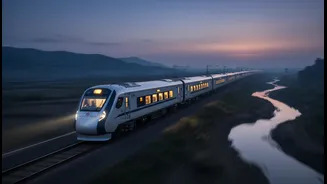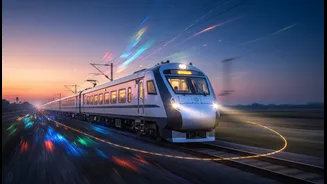





A New Chapter in Overnight Travel
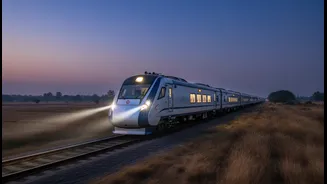
After the success of the Vande Bharat chair-car services, Indian Railways has introduced a sleeper version designed for medium to long-distance routes, typically between 800 and 1,200 kilometres. The first commercial service was launched in January 2026,
marking a significant milestone in the country's railway modernization. These self-propelled trainsets, capable of speeds up to 160 km/h, aim to provide a faster, more comfortable, and reliable alternative to the existing fleet of overnight trains, potentially replacing the iconic Rajdhani Express services in the long run. The goal is to slash travel time and turn the journey itself into a restful experience, allowing passengers to arrive at their destination feeling refreshed.
Inside the Sleeper: What to Expect
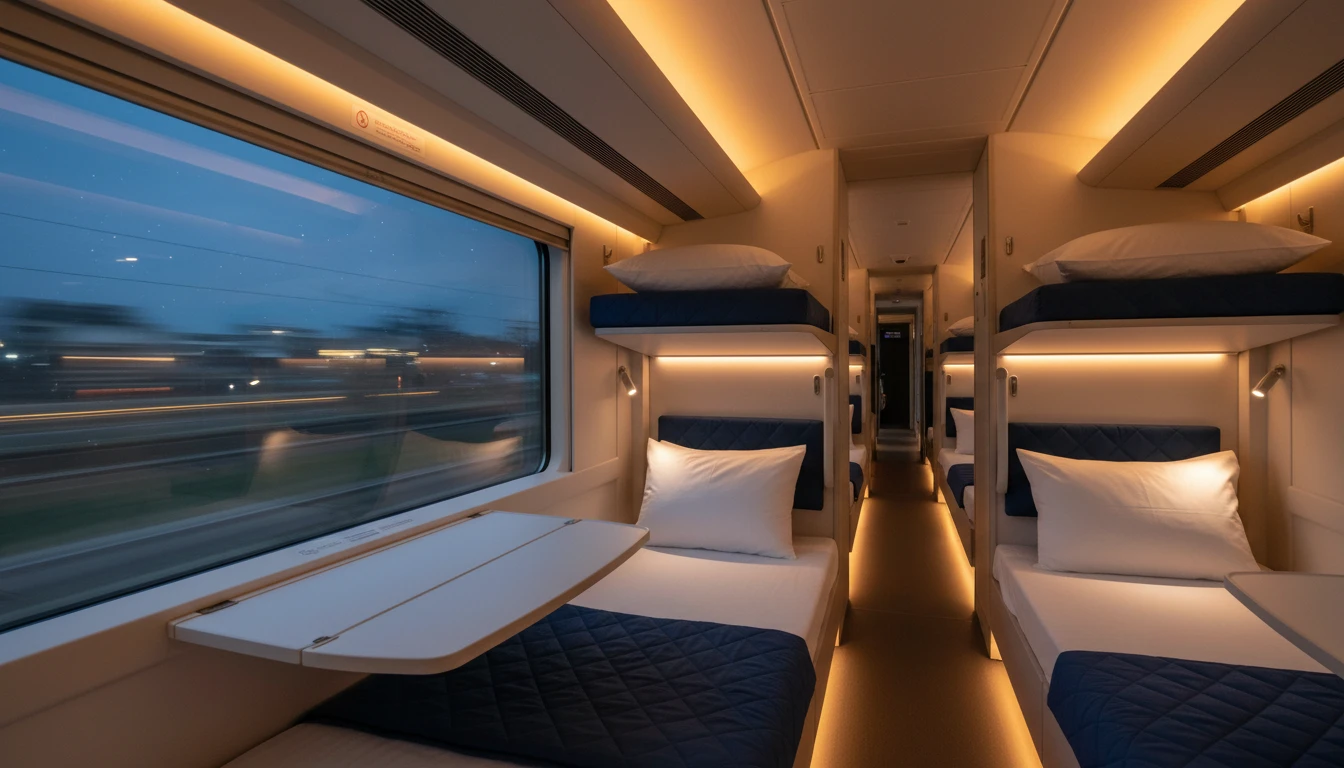
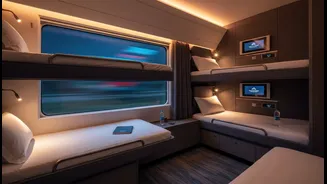
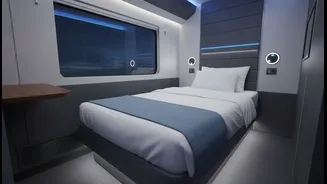
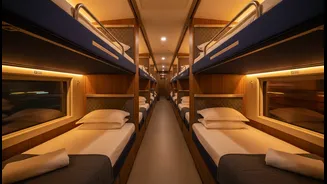
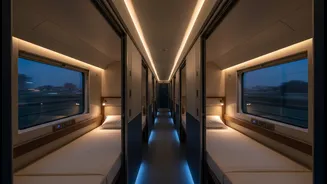
The Vande Bharat sleeper is a significant upgrade from conventional trains. Each 16-coach trainset accommodates up to 823 passengers across three classes: AC First, AC Two-Tier, and AC Three-Tier. The interiors are engineered for comfort, featuring wider, better-cushioned berths, improved soundproofing for a quieter ride, and ambient lighting with personal reading lamps. The coaches are fully air-conditioned with an advanced system for uniform temperature control and are equipped with automatic doors that prevent dust and reduce noise. Modern amenities include bio-vacuum toilets with sensor-based taps, CCTV cameras for enhanced security, and ample charging sockets for electronic devices. For First AC passengers, the addition of onboard hot showers brings a touch of luxury previously unseen on Indian trains.
Rethinking the Weekend Trip
The combination of speed and comfort makes planning short holidays and weekend trips more feasible than ever. Imagine leaving a major metro like Delhi or Mumbai on a Friday night and arriving at a destination several hundred kilometres away early Saturday morning, ready to explore. The Vande Bharat sleeper's design, which minimizes jerks and vibrations, ensures a better quality of sleep. This efficiency effectively adds a full day to your itinerary that might have otherwise been lost to travel. The first services have been launched on high-demand routes, with a Varanasi-Amritsar service flagged off in July 2026. This connects major cultural and economic hubs, making it easier for both tourists and business travellers to plan quick, productive trips without the hassle of airport security or the fatigue of road travel.
How It Competes with Flights and Rajdhanis
The Vande Bharat sleeper is positioned to compete directly with both budget airlines and existing premium trains like the Rajdhani. While a flight is faster in the air, the total travel time—including airport transit, check-in, and security—can often make an overnight train journey more time-efficient, especially for city-centre to city-centre travel. Compared to Rajdhanis, the Vande Bharat offers a superior experience through modern design, jerk-free rides, and better amenities. The aerodynamic front, faster acceleration, and advanced safety features like the 'Kavach' anti-collision system represent a generational leap in technology. While fares are expected to be at a premium over existing sleeper trains, the value proposition lies in the enhanced comfort, reduced travel time, and overall superior experience, offering a compelling middle ground between flying and traditional rail travel.