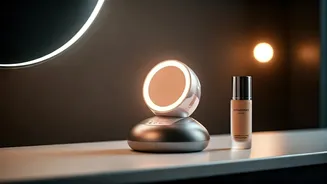




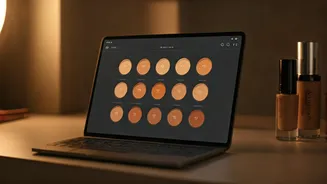


The End of Bad Foundation Days?
Finding the right foundation shade can feel like an impossible task. For years, the process has involved guesswork, in-store swatching under unflattering fluorescent lights, and often, costly mistakes. But the beauty industry is undergoing a high-tech
revolution, and Artificial Intelligence (AI) is at the forefront. Brands are now using sophisticated algorithms to do what human eyes sometimes can't: analyse your unique skin tone and undertone with remarkable precision. This technology promises a future where you can find your perfect match from the comfort of your home, potentially ending the era of the dreaded jawline demarcation for good.
How Does the Digital Magic Work?
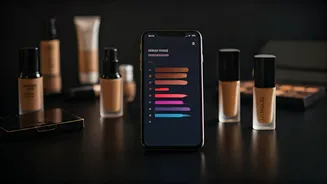
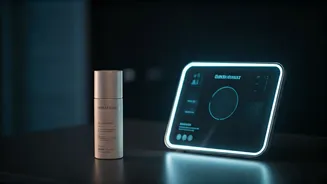
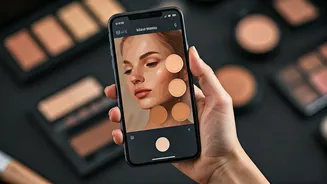
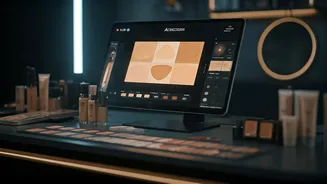
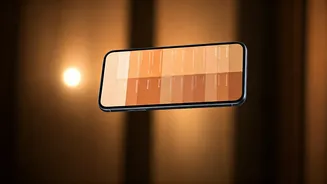
AI foundation finders work in a few different ways, but they generally fall into two categories. The first, and most common, involves using your smartphone's camera. You either take a selfie or use a live video feed, and the AI gets to work. Using computer vision, it analyzes the pixels in your skin, taking multiple readings from different points on your face to determine not just the depth of your skin tone, but also your crucial undertones (cool, warm, or neutral). Some advanced tools even use your phone's screen to cast different lights on your face, allowing the AI to see how your skin reflects colour and get a more accurate reading. The second method is a highly detailed quiz. Brands like Il Makiage use a machine-learning algorithm that asks about your current foundation, how your skin reacts to the sun, and your jewellery preferences to predict your shade. The AI then compares your answers to a massive database of hundreds of thousands of other users to find your match.
The Brands Leading the Charge
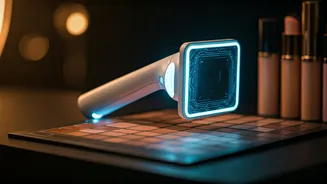
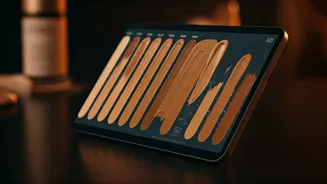
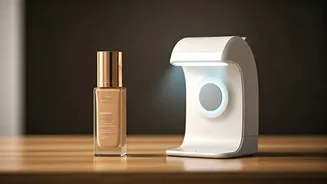
Many of your favourite beauty retailers and brands are already on board. Sephora's in-store Color iQ service uses a handheld device and AI to scan your skin and assign it a specific number, which then corresponds to a huge range of products. This technology accounts for depth, undertone, and saturation. Online, companies like Perfect Corp. have developed AI shade finders used by major brands like Estée Lauder and MAC that can detect tens of thousands of different skin tones. Other players like Fenty Beauty, L'Oréal, and Mary Kay also offer their own versions of AI-powered quizzes or virtual try-on tools. These tools aim to reduce the guesswork and give you the confidence to purchase foundation online, a category that has historically seen high return rates due to shade mismatches.
Is It Truly Foolproof?
While AI offers a huge leap forward, it’s not yet a perfect science. The single biggest factor affecting accuracy is lighting. A photo taken in a dimly lit bathroom will give a wildly different result than one taken in natural daylight. The quality of your phone's camera also plays a role. Furthermore, while the algorithms are constantly learning and becoming more inclusive, there is always a risk of data bias if the training datasets aren't sufficiently diverse. For these reasons, many experts view AI shade finders as an excellent starting point for narrowing down your options, rather than a definitive final answer. They are a powerful assistant, but sometimes a physical sample is still needed to confirm the perfect match.
Tips for Getting Your Best AI Match
If you're ready to give AI shade matching a try, you can improve your chances of success with a few simple steps. First and foremost, find your light source. Natural, indirect daylight is your best friend. Stand facing a window, ensuring there are no strong shadows on your face. Make sure you are not wearing any makeup, as this will skew the results. When using a camera tool, hold your phone steady and fill the frame as instructed. If you're taking a quiz, be as honest and accurate as you can with your answers. It might seem silly to think about whether gold or silver jewellery suits you better, but these questions are designed to help the algorithm pinpoint your undertones. Following these tips will give the AI the best possible data to work with, leading to a much more accurate recommendation.