







The Deluge Descends
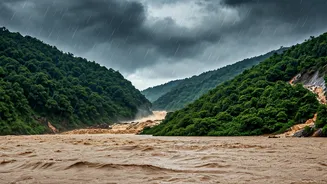
The first wave of the monsoon has hit Assam and Meghalaya with exceptional force, bringing life to a near-standstill. The India Meteorological Department (IMD) has recorded extremely heavy rainfall in the region. [15] Mawsynram and Cherrapunji in Meghalaya,
known as some of the wettest places on Earth, received staggering amounts of rain—53 cm and 47 cm respectively in a single 24-hour period. [15, 16] This intense downpour is part of a wider weather pattern, with the IMD issuing warnings for widespread rain, thunderstorms, and gusty winds across the entire Northeast until the end of June. [8, 10] The persistent rain has saturated the ground, creating perfect conditions for the dual threats of riverine floods and landslides.
Rivers in Spate, Hills Give Way
In Assam, the primary concern is the Brahmaputra river and its tributaries, which are swelling dangerously due to the incessant rain and massive water runoff from the hills of neighbouring Arunachal Pradesh. [9, 14] Flash floods in Arunachal's Lower Subansiri district, which saw 72.8 mm of rain in 24 hours, have prompted authorities to release water from a hydroelectric project, sending a flood wave downstream towards Assam. [21, 25] Consequently, Assam has issued a high alert for districts like Dhemaji, Lakhimpur, and Sonitpur. [20, 24] The Brahmaputra is already flowing above the warning level in Dibrugarh and Neamatighat, while the Disang River has crossed the danger mark. [9] In Meghalaya, the threat is compounded by landslides. A major landslide washed away a significant portion of the vital Shillong-Dawki road, a key artery for trade and tourism, effectively cutting it off. [11] Other landslides have been reported along crucial national highways, disrupting transport and isolating communities. [27, 28]
The Human Cost
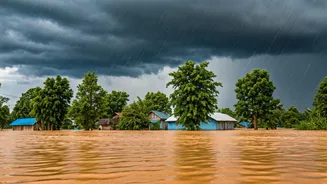
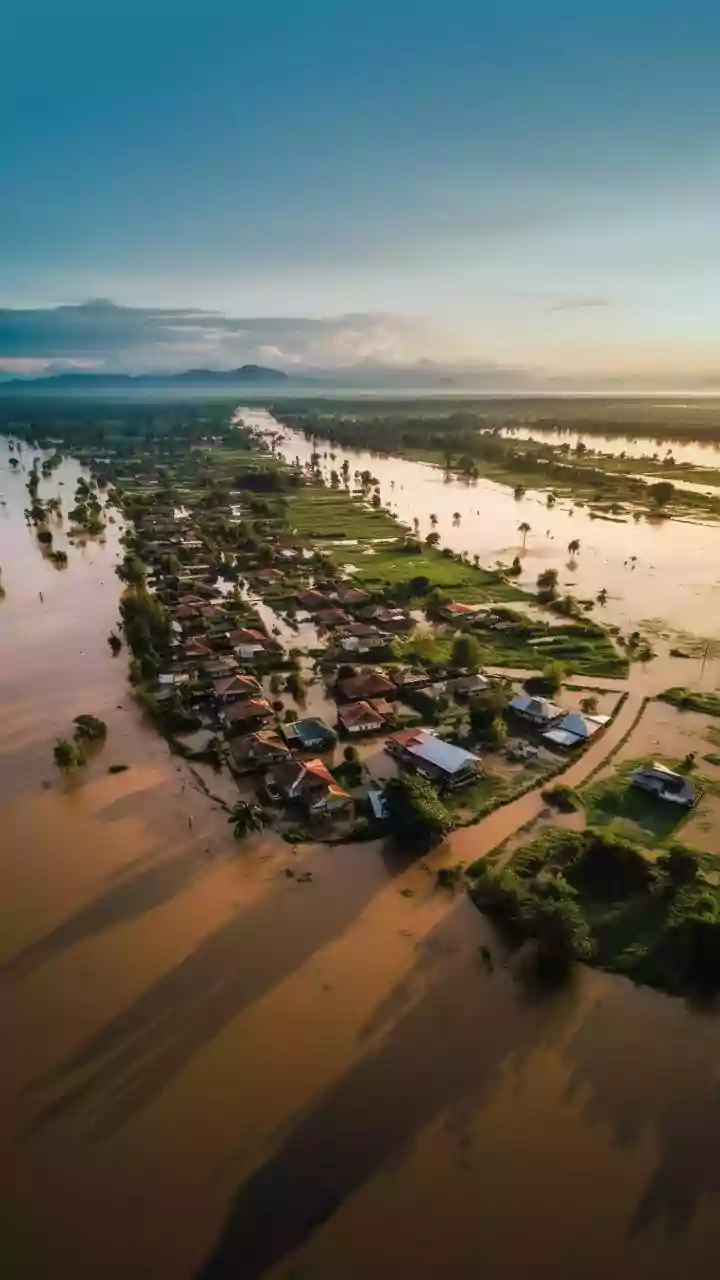
The impact on the ground has been immediate and severe. Across Assam, floods have inundated over 100 villages in seven districts, affecting thousands of people and damaging vast tracts of agricultural land. [24] Floodwaters have washed away infrastructure, including a culvert in Lakhimpur district, severing local connections. [9] In response, authorities have suspended all ferry services in and around Guwahati as a safety precaution due to the rising Brahmaputra. [18] In Arunachal Pradesh, the flash floods have been devastating, with reports of 18 homes being washed away and three people missing near a hydropower project colony. [21, 28] For the residents, this is a recurring nightmare that brings with it the loss of homes, livelihoods, and a profound sense of uncertainty.
Response and Preparedness
Authorities are in a race against time to manage the crisis. The Assam government has placed the state on high alert, with Chief Minister Himanta Biswa Sarma directing all agencies to be prepared. [20, 26] Teams from the National Disaster Response Force (NDRF) and State Disaster Response Force (SDRF) have been placed on standby for immediate deployment. [19, 26] Relief centres have been set up in affected districts like Dhemaji and Lakhimpur to shelter displaced families. [11] The government is issuing continuous advisories, urging people in low-lying areas to remain vigilant and avoid venturing into swollen rivers or near landslide-prone zones. [22, 26] The focus is on minimising loss of life and providing immediate aid, even as the forecast predicts more rain in the coming days. [14]
An Annual, Escalating Crisis
While the monsoon is an annual phenomenon, experts note that the nature of rainfall is changing. Climate change is leading to more erratic and intense rainfall events—short, powerful bursts that cause maximum damage, rather than evenly distributed showers over the season. [12] This pattern exacerbates the region's natural vulnerability, which includes its hilly topography and the vast, powerful Brahmaputra river system. Locals in Meghalaya have also raised concerns that construction practices for new roads, with improperly dumped debris blocking natural drainage, are worsening landslide risks. [27] The current crisis underscores the urgent need for long-term strategies that focus not just on disaster response, but on climate-resilient infrastructure and sustainable development to mitigate the impact of these increasingly frequent and ferocious weather events.