





The Power of Play: More Than Just Toys
A toy isn't just a diversion; it's a tool for mental and physical stimulation. In India, where many urban pets live in apartments, choosing the right toy is crucial. Instead of a basket overflowing with untouched plushies, focus on variety and purpose.
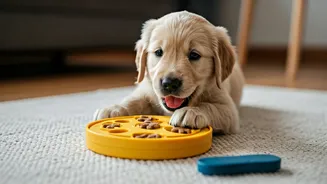
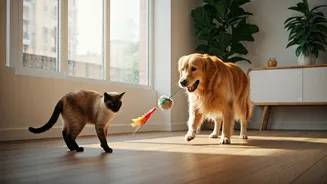
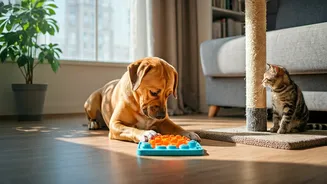
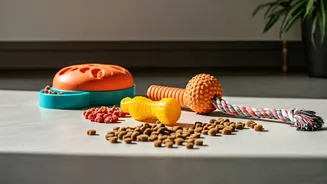
Puzzle toys are fantastic for engaging a pet's problem-solving skills. Brands like Nina Ottosson offer various difficulty levels, but you can start simply with a muffin tin. Just place treats in the cups and cover them with tennis balls, forcing your dog to figure out how to get the reward. For cats, a simple cardboard box with holes cut into it can become a puzzle when treats are dropped inside. Chew toys, like those from KONG, are essential for dogs. They satisfy the natural urge to chew, which helps relieve stress and keep them away from your furniture. You can stuff them with peanut butter (ensure it's xylitol-free) or yogurt and freeze it for a long-lasting challenge. Finally, don't underestimate interactive toys like ropes for a game of tug or soft balls for a controlled game of fetch in a hallway. These activities burn energy and strengthen your bond.
Smarter Treating: Fuel for the Brain
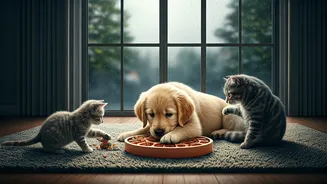
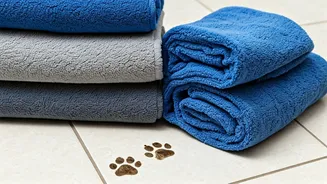
Treats shouldn't just be a reward for being cute; they should be part of the engagement process. Scent work, or nose games, are incredibly effective at tiring out a pet. A dog's sense of smell is their superpower, and letting them use it is more exhausting than a short walk. You can start a 'treasure hunt' by hiding small, aromatic treats around a room and encouraging your pet to 'find it'. For a simpler version, roll up some kibble in a towel and let your dog sniff and unroll it to get the food. When choosing treats for these games, think healthy and small. Commercial training treats are great, but many kitchen ingredients work just as well. Small pieces of boiled chicken, apple slices (without seeds), carrots, or green beans are excellent low-calorie options. For cats, a few pieces of their favourite dry food hidden in a puzzle feeder provide the same mental workout. The goal is to make your pet work for their food, turning mealtime from a two-minute gobble into a 15-minute brain game.
Train Their Brain: The Ultimate Boredom Buster
Training is one of the most powerful forms of mental stimulation. A five to ten-minute training session can be just as tiring as physical exercise. It's not about complex commands, but about making your pet think. You can use indoor time to reinforce basics like 'sit', 'stay', and 'come', which also improves their general behaviour. Once they have mastered the basics, move on to fun tricks like 'spin', 'roll over', or 'shake paw'. Another great indoor game is teaching your pet the names of their toys. Place a few toys on the floor, say the name of one, and reward them excitedly when they touch or pick up the correct one. Creating a simple indoor obstacle course is another option that requires no special equipment. Use cushions for them to climb over, chairs to weave through, and a blanket draped over two chairs to create a tunnel. Guiding them through it with a treat not only provides physical activity but also builds their confidence. These short, positive sessions prevent frustration and keep your pet eager to learn.