





Why Firmness is Your Friend
The secret to traveling with fruit successfully lies in understanding a bit about how they are built. Firmer fruits have stronger cell walls, which makes them more resistant to the bumps and jostles that are an inevitable part of travel. When a fruit's
cells are broken, a natural enzyme is released that reacts with oxygen, causing the unappetizing brown spots and mushy texture we know as bruising. Softer, more delicate fruits like ripe peaches or raspberries have weaker cell structures, making them far more likely to get damaged. By choosing fruits that are naturally sturdy and not yet overripe, you are giving yourself a head start in the battle against bruising. Starting with produce that is as fresh as possible, perhaps from a local market, can also extend its life significantly.
The All-Stars of Travel-Friendly Fruit
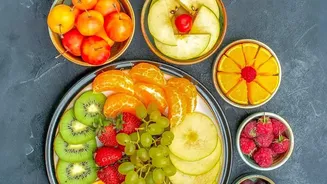
Not all fruits are created equal when it comes to durability. For a guaranteed good snack, stick to the classics. Apples are a top contender due to their dense flesh and tough skin. Similarly, citrus fruits like oranges and clementines come with their own natural, protective packaging that keeps the inside juicy and safe. Bananas are a popular choice, but they require a bit of strategy; select ones that are still slightly green and firm to avoid instant mushiness. Grapes and cherries, if packed correctly, can also be great options as they are small and relatively sturdy. Even heartier berries like blueberries can make the trip if you give them special care, though they are more delicate than an apple.
Packing for Perfect Produce
How you pack is just as important as what you pack. The golden rule is to provide protection. Never just toss a piece of fruit into the bottom of a heavy bag. Instead, use hard-sided containers to create a physical barrier. Reusable plastic containers, or even clean, empty hummus tubs or bottles, can act as armor for your produce. If you don't have a container, wrapping individual fruits in a paper towel or a soft cloth can provide a bit of cushioning. Always place your fruit at the top of your bag, away from heavy items like books or water bottles that could crush them. For smaller, more delicate items like berries, a shallow, rigid container lined with a paper towel is the best way to prevent them from getting crushed and keep them dry.
The Fruits Best Left at Home
Just as there are travel heroes, there are fruits that are best enjoyed at home. Highly delicate fruits should be avoided unless your trip is very short and you can guarantee their safety. This category includes very ripe peaches, plums, nectarines, figs, and most melons once they are cut. These fruits are high in water content and have thin skins, making them extremely susceptible to bruising and leaking. While delicious, they often lead to a sticky mess and a disappointing snack experience when subjected to the rigors of travel. Waiting until you reach your destination to buy these softer fruits is a much safer bet. If you must transport them, they require dedicated, hard-shell protection and should be eaten as soon as possible.
Whole vs. Pre-Cut: A Travel Dilemma
Bringing pre-cut fruit can seem like a convenient, time-saving option. Threading fruit onto skewers, for instance, can be a neat way to pack a variety for a road trip. However, it comes with trade-offs. Once a fruit's skin is broken, it becomes much more vulnerable to spoilage and browning. Pre-cut fruit must be kept cold, below 40°F (4°C), to remain safe and fresh. This makes it a viable option for trips where you have a quality cooler with plenty of ice packs, but less so for a backpack on a day hike. Whole fruits, on the other hand, have a much longer shelf life at room temperature thanks to their natural protective peels. For simplicity and freshness, especially on longer journeys without refrigeration, keeping your fruit whole is almost always the superior choice.