
A New Culinary Conversation
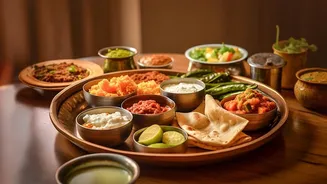
For generations, Indian vegetarian cuisine has been a world unto itself, celebrated for its depth, diversity, and flavour. But now, a new chapter is being written. In the bustling food scenes of cities like Bengaluru, Mumbai, and Delhi, chefs are moving
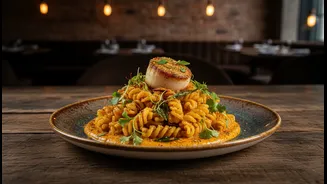
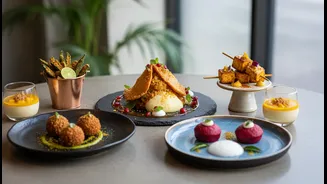
beyond tradition to embrace global fusion. This isn't about replacing classics but reimagining them. Picture this: avial spaghetti, where a beloved Kerala stew meets Italian pasta; podi mac and cheese arancini, a South Indian spice mix giving a kick to a creamy classic; or a dabeli popsicle, transforming a Gujarati street food staple into a modern, whimsical bite. This trend reflects a culinary world that is more connected than ever, where ingredients and ideas cross borders as easily as people.
Why is This Happening Now?
Several factors are stirring this pot of innovation. Globalization has played a massive role, exposing Indian diners to international cuisines through travel and media. Urban millennials and Gen Z, in particular, have developed adventurous palates and a hunger for diverse dining experiences. There is also a growing consciousness around health and wellness, which has led to the integration of global superfoods like quinoa and avocado into Indian dishes, such as quinoa biryani or avocado paratha. Furthermore, India's inherent strength in plant-based cooking provides a perfect launchpad. With one of the world's most sophisticated vegetarian traditions, Indian chefs aren't starting from scratch; they are building upon a rich, flavourful foundation that makes plant-based options the highlight, not an afterthought.
The Creative Minds Behind the Menu
This movement is being led by a new generation of chefs who are classically trained in global techniques but remain deeply connected to their Indian roots. For them, fusion is a platform for creativity. In Bengaluru, for instance, the new restaurant Kahaani is built around the concept of "travelled Indian stories," arguing that Indian cuisine has always been a form of fusion through centuries of trade and migration. Chef Sibin Lal, who leads its kitchen, travelled through Indonesia not to copy recipes but to understand the shared culinary histories between the regions, resulting in a contemporary vegetarian menu that feels both new and deeply authentic. This approach, rooted in story and respect for both cultures, is what separates meaningful fusion from novelty for its own sake.
From Street Food to Fine Dining
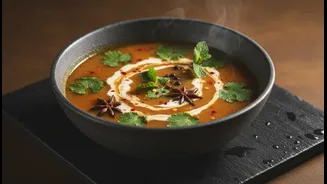
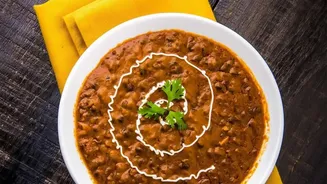
The fusion trend isn't confined to upscale restaurants. It's bubbling up from the streets, where vendors are getting creative with offerings like "nachos bhel" and "pasta chaat," making experimental flavours accessible to everyone. At the same time, the fine-dining space is seeing a dramatic reinvention of vegetarian food. Restaurants are introducing curated tasting menus, sophisticated non-alcoholic beverage pairings, and global cooking techniques that elevate vegetables to the centre of the plate. Dishes like jackfruit masala, which uses the 'vegetarian meat' for its texture, and mushroom and truffle khichadi are becoming signatures, showcasing how Indian comfort food can be given a luxurious, modern spin.
What the Future Holds
This culinary wave shows no signs of slowing down. As more diners become flexitarian and prioritise health and sustainability, the demand for innovative, high-quality vegetarian food will only grow. The blending of Indian spices with international formats like tacos, bowls, and wraps is proving to be incredibly successful because it offers both comfort and excitement. We can expect to see more chefs and home cooks exploring the endless possibilities, whether it's blending Indian flavours with Middle Eastern staples like hummus and falafel or finding new ways to present regional Indian dishes to a global audience. This isn't just a trend; it's the evolution of a cuisine that has always been adaptable and open to new ideas, proving that the future of Indian food is as diverse as its past.