


Understanding Sourdough Discard
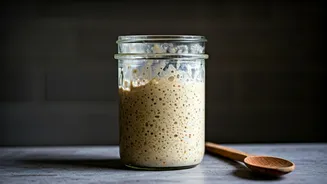
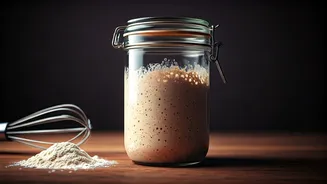
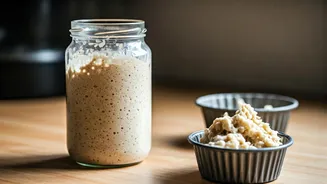
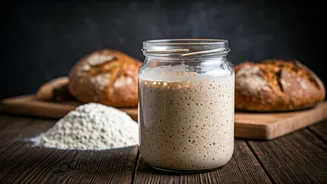
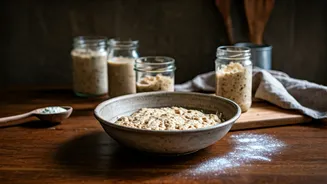
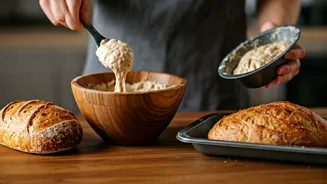
To maintain a healthy sourdough starter—that lively culture of flour, water, and wild yeasts—bakers must regularly feed it. Before each feeding, a portion of the starter is removed to keep the volume manageable and balance its acidity. This removed portion is aptly
named 'discard'. Because it's unfed, it lacks the leavening power to raise a loaf of bread on its own, which is why many bakers simply throw it away. If you didn't discard, you would quickly have an exponentially growing, unmanageable amount of starter to feed. This process can feel wasteful, especially when you consider the cumulative flour and water being tossed out week after week.
The Hidden Cost of Food Waste
Tossing out sourdough discard might seem like a small act, but it's part of a much larger conversation about food waste. When we throw away discard, we are wasting the flour and water it's made from, along with all the resources that went into producing and transporting those ingredients. Globally, food waste is a significant contributor to greenhouse gas emissions. Adopting a mindset that seeks to use every part of an ingredient is a cornerstone of sustainable cooking. By rethinking discard, home bakers can take a meaningful step toward reducing their kitchen's environmental footprint, turning a routine chore into a conscious act of conservation.
A Treasure Trove of Flavour
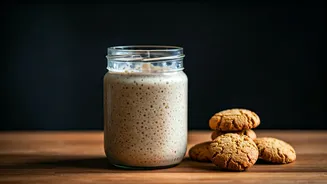
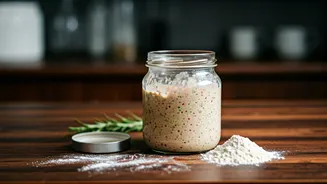
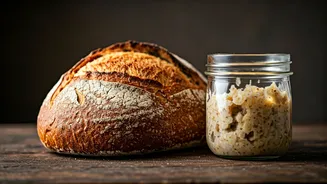
The secret that seasoned bakers know is that sourdough discard isn't waste at all; it's a flavour-packed ingredient. Because it's fermented, the discard has a tangy, complex taste that can add a remarkable depth to a wide variety of dishes, much like buttermilk or crème fraîche. Its acidity can tenderise baked goods and enhance other flavours in a recipe. Instead of viewing it as a problem to be disposed of, you can collect your discard in a jar in the refrigerator for up to a few weeks. This 'liquid gold' is then ready to be deployed in recipes where it can truly shine, transforming from a byproduct into a purposeful component.
Getting Creative with Savoury Discard Recipes
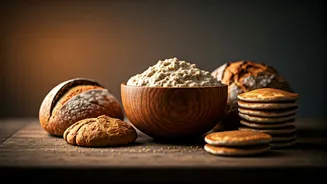
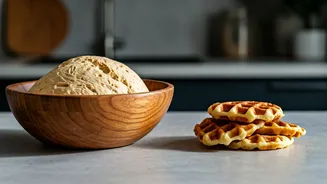
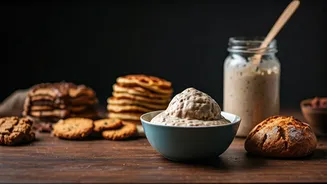
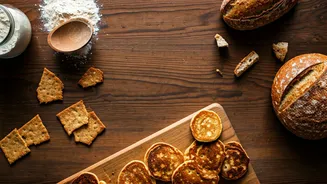
The versatility of sourdough discard in savoury cooking is astonishing. It can form the base for crispy, addictive crackers with just a few additional ingredients. It's also perfect for making fluffy pancakes and waffles for a weekend breakfast. Many bakers use it to create flavourful pizza dough, which results in a chewy, delicious crust that stands up well to bold toppings. You can also use it to create tender flatbreads like naan, batter for fried chicken or vegetables, or even as a thickener for hearty soups and stews.
Sweet Possibilities for Discard
The tangy flavour of discard also pairs beautifully with sweet ingredients. It adds a subtle complexity and moistness to muffins, quick breads, and cakes. Sourdough discard can be incorporated into recipes for brownies, banana bread, biscuits, and scones, adding a tender crumb and a richer flavour profile that balances the sweetness. From chocolate chip cookies to cinnamon rolls and pie crusts, the possibilities are nearly endless, proving that this humble ingredient is far from one-dimensional.
Embracing a Sustainable Kitchen Ethos
Learning to use sourdough discard is more than just a baking hack; it's a gateway to a broader sustainable mindset. It encourages you to look for value in other kitchen scraps you might normally toss, like vegetable peels for stock or stale bread for croutons. This practice of 'zero-waste' cooking is not about perfection but about being resourceful and mindful of our consumption. By finding creative uses for what we might otherwise throw away, we cultivate a more responsible and ultimately more rewarding relationship with our food and our kitchens.