





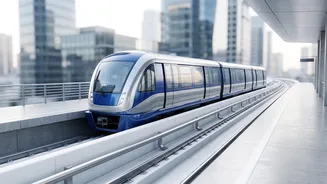
A New Benchmark for Urban Mobility
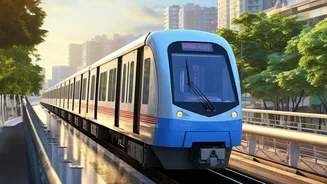
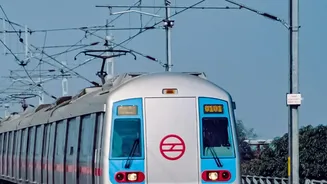
On November 2, 2026, amid the pre-Diwali rush, the Delhi Metro's driverless network achieved a remarkable feat, serving 1.6 million commuters. This figure means that roughly one in every five passengers on the entire network that day travelled on an automated
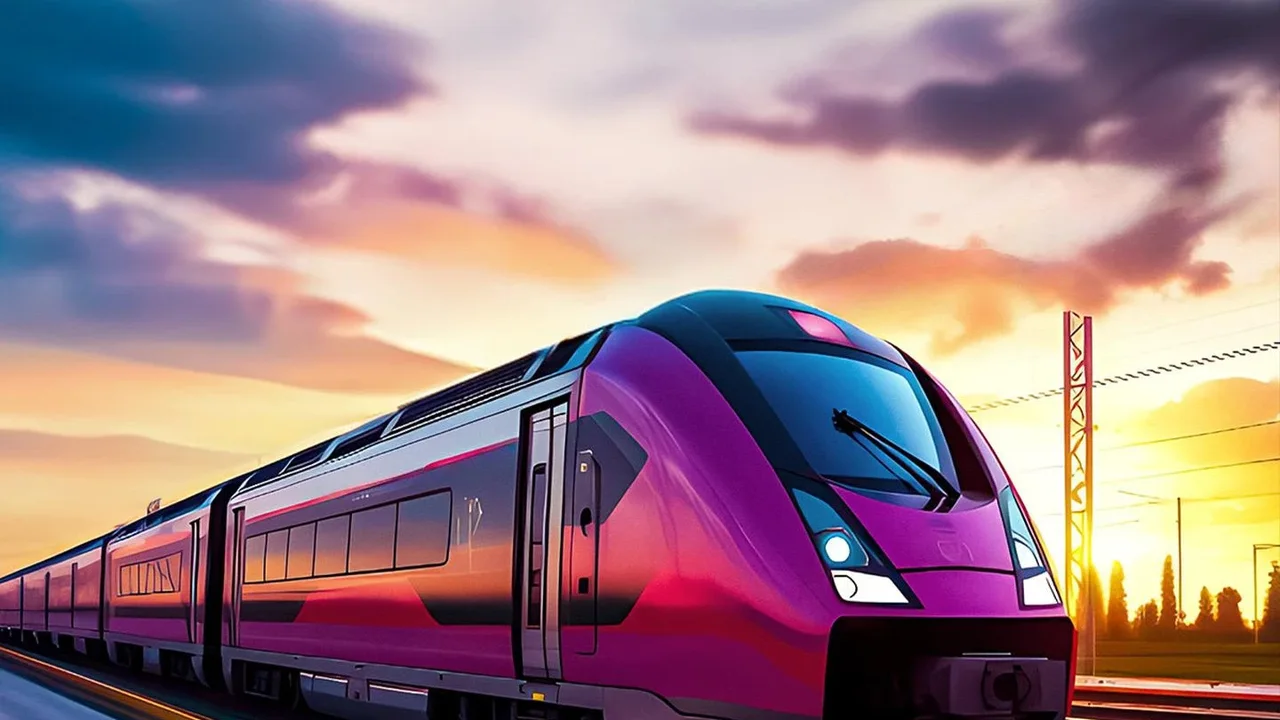
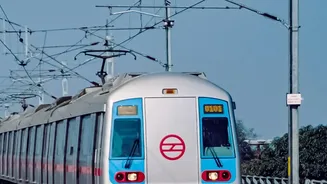
train. This milestone was recorded on the Magenta and Pink Lines, the two corridors where the Delhi Metro Rail Corporation (DMRC) operates its fleet of around 100 driverless trains. The achievement not only highlights the growing reliance on these specific lines but also underscores their immense capacity, handling a passenger volume greater than the entire population of some Indian states.
The Technology Driving the Future
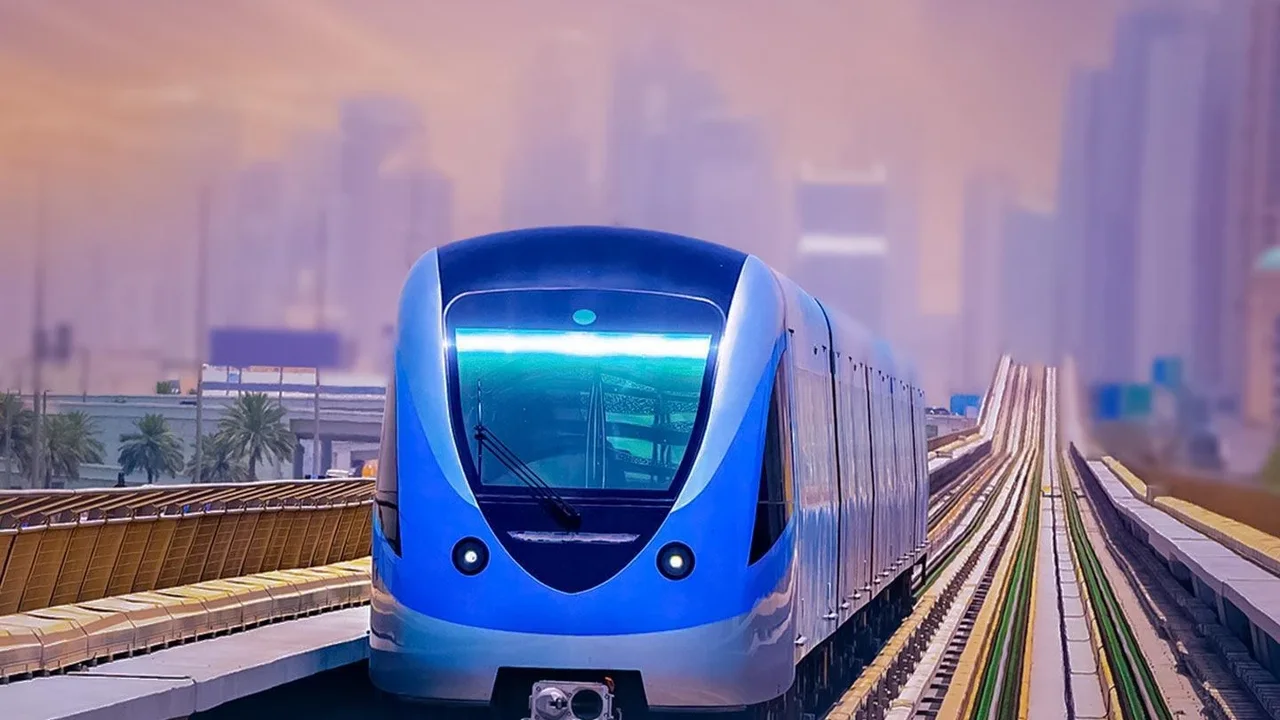
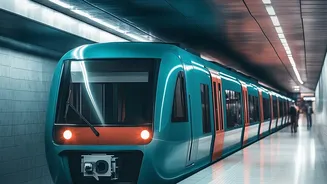
So, what exactly is a 'driverless' train? The system, officially known as Unattended Train Operation (UTO) or Grade of Automation 4 (GoA 4), represents the highest level of train automation currently possible. These trains operate without any onboard staff, managed remotely from a central control centre using a sophisticated signalling system called Communication-Based Train Control (CBTC). This technology allows for real-time monitoring, precise control over speed, and coordinated movement, which eliminates the potential for human error. Delhi first introduced this technology on the Magenta Line in December 2020, later expanding it to the Pink Line, making Delhi's driverless network one of the largest in the world.
More Than Just a Novelty
The benefits of driverless technology extend far beyond just being futuristic. According to DMRC Managing Director, Vikas Kumar, the system offers greater operational flexibility. It allows for higher frequency of trains, which means less waiting time for commuters, especially during peak hours. Automation also improves the availability of coaches for service and enhances overall reliability, as each train performs exhaustive self-tests before starting its run. This increased efficiency is crucial for a network as vast and busy as Delhi's, which handles millions of passenger journeys daily across its entire network. Concerns about job losses have also been addressed, with the DMRC confirming that train operators have been redeployed to other essential roles like station management and crowd control, not laid off.
A Blueprint for India's Cities
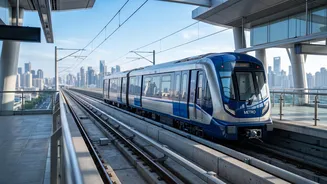
This success in Delhi has sparked a nationwide conversation about the future of urban transport. With metro systems now operational in 26 Indian cities, the DMRC's achievement serves as a powerful case study. The driverless network in Delhi currently spans about 120 kilometres, accounting for nearly 30% of its total network, and there are already plans to expand this to 198 kilometres. While some experts caution that each city must weigh the high initial costs against its specific needs, the operational gains are undeniable. The ability to move vast numbers of people safely, quickly, and efficiently is a core challenge for India's rapidly growing urban centres, and Delhi's driverless trains offer a compelling solution.