



The Old Myth of the 60-Minute Mandate
The long-held belief in fitness circles was that for a workout to be effective, it needed to be a prolonged, continuous effort. This 'all or nothing' mindset created a significant barrier for many people juggling busy lives. The idea of carving out an hour
or more each day for exercise felt overwhelming, leading many to abandon their fitness goals before they even began. This traditional approach often equated time spent with results gained, suggesting that anything less than a long session was hardly worth the effort. For years, this assumption went largely unchallenged, leaving people to believe that if they couldn't commit to a full hour, they might as well do nothing.
The Science of 'Less Can Be More'
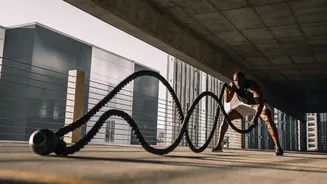
Modern exercise science has turned that old assumption on its head, with a focus on intensity over duration. The key lies in concepts like High-Intensity Interval Training (HIIT), which involves short, explosive bursts of all-out effort followed by brief recovery periods. Research shows that even 10-15 minutes of intense exercise can trigger significant metabolic changes. One study found that just 12 minutes of vigorous activity could positively alter over 80% of metabolites in the blood related to heart health and diabetes risk. This is because high intensity pushes your heart, lungs, and muscles to their limits, forcing them to adapt and grow stronger in less time. The after-effect, known as excess post-exercise oxygen consumption (EPOC), means your body continues to burn calories at a higher rate even after you've stopped moving.
From 'Exercise Snacking' to Total-Body Benefits
The benefits of short workouts extend far beyond just efficient calorie burning. Studies have shown that brief but vigorous activity can have a profound impact on overall health. Researchers found that accumulating just 15-20 minutes of vigorous exercise per week, in short bursts of a minute or two, was associated with a significantly lower risk of death from heart disease and cancer. This has given rise to the concept of 'exercise snacking' — fitting small, bite-sized chunks of activity throughout your day. These mini-workouts, like running up a few flights of stairs or doing jumping jacks for a minute, help regulate blood sugar, lower blood pressure, improve cholesterol, and boost mental focus. One study even noted that three 10-minute walks during the day were more effective at lowering blood pressure for some individuals than one 30-minute walk.
What Does a Short Workout Look Like?
You don't need fancy equipment or a gym membership to reap these benefits. The goal is to elevate your heart rate. An effective 10-minute routine can be as simple as a circuit of bodyweight exercises. For example, you could perform 45 seconds of an exercise followed by 15 seconds of rest, and cycle through the following movements twice: 1. Jumping Jacks 2. Bodyweight Squats 3. Push-ups (on knees or toes) 4. Lunges 5. Mountain Climbers This type of routine, known as a 'Tabata' style workout when done with maximum intensity for 4 minutes, is designed to keep your heart rate up and engage major muscle groups quickly and effectively. The key is to push yourself during the work intervals, making those short periods count.
Making It a Realistic and Lasting Habit
The greatest advantage of short workouts is their sustainability. For many, the idea of a 10-minute daily commitment is far less daunting than an hour-long one, which dramatically increases the likelihood of sticking with it. Consistency is the true key to long-term fitness. While short, intense workouts are highly effective, it's also important to listen to your body. Proper form is crucial to prevent injury, especially with high-intensity movements. It’s also beneficial to mix in different types of activities, including lower-intensity movement like walking. The most effective workout is ultimately the one you consistently do. Starting small with 'exercise snacks' can build confidence and momentum, making fitness an integral part of your life, not a chore that dominates it.