







The Undisputed King of Breakfast
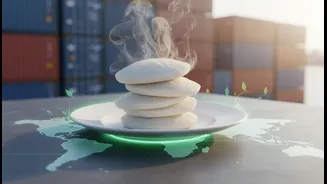
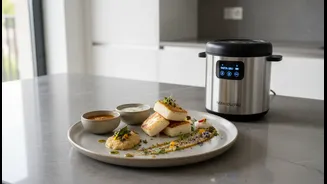
There are few breakfast foods as universally accepted and celebrated in India as the idli. It’s the comfort food of millions, a staple from Bengaluru to Delhi. Traditionally made from a fermented batter of rice and urad dal, it is steamed, not fried,
making it one of the healthiest options available. It’s gentle on the stomach, a perfect vehicle for flavourful sambar and chutney, and a nutritionally balanced start to the day. In a country grappling with lifestyle diseases, the idli stands out as a near-perfect meal. Its cultural significance is immense, representing a culinary heritage refined over centuries. This is not just food; it’s a wellness ritual and a taste of home, which is why its current state in the packaged market feels like such a letdown.
The Convenience Compromise
As lifestyles get more hectic, the demand for convenient, ready-to-eat (RTE) meals has exploded. The Indian RTE market is expanding rapidly, driven by urbanization and the need for quick meal solutions. Brands have flooded supermarkets with instant poha, upma, and breakfast cereals. Amid this, the idli has been reduced to two basic formats: dry ready-mixes that often yield dense, sour, or flavourless results, and refrigerated batters that, while better, still struggle with consistency and shelf life without preservatives. Consumers report that getting the authentic, home-style taste from packaged options is a major hurdle. This gap between the expectation of a soft, fluffy, perfectly fermented idli and the reality of the convenient alternative is where the market is failing. It's a compromise that a growing number of consumers are unwilling to make.
The Health-Conscious Consumer Is Ready
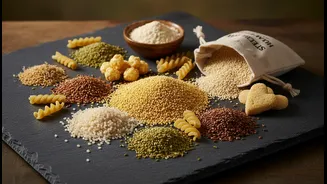
The modern Indian consumer is more health-conscious than ever before. There is a clear and rising demand for foods that are nutritious, natural, and clean-label. This is precisely where the opportunity for an idli upgrade lies. While the traditional idli is healthy, its modern incarnation can be even better. The movement towards ancient grains and superfoods has seen millets make a huge comeback. The Indian millet-based packaged food market is projected to grow significantly, with a CAGR of 9.2%, as consumers actively seek alternatives to refined rice and wheat. Imagine millet idlis—made from ragi, jowar, or foxtail millet—becoming a mainstream packaged option. These would not only be gluten-free but also boast a higher fibre and protein content and a lower glycemic index, ticking all the boxes for today's discerning, health-aware buyer.
Signs of an Idli Revolution
The good news is that some brands are starting to wake up to this massive opportunity. The conversation is shifting from mere convenience to convenience plus nutrition and authenticity. While legacy brands offer standard mixes, agile startups are experimenting. We are seeing the emergence of products like oat and millet-based idli mixes. Brands that focus on fresh, preservative-free batters have already demonstrated a massive market appetite for quality. This isn't just about ingredients; it's about reinventing the category. Modern food technology can solve historical problems like perfecting fermentation for packaged batter or improving the texture of ready-to-heat idlis. From brown rice idlis to quinoa idlis and even protein-fortified versions, the initial sparks of innovation are there, proving that consumers are ready to embrace a new generation of this traditional food.
What an 'Idli 2.0' Could Look Like
So, what does the ultimate idli upgrade look like? It’s a multi-pronged innovation. First, ingredients: a diverse range including various millets, oats, and multi-grains must become standard. Second, format: think beyond just batter and mixes. How about high-quality, flash-frozen, ready-to-steam idlis that taste freshly made? Or even a savoury, on-the-go 'idli stick' for the time-pressed professional? Third, variety: the market is ripe for stuffed idlis with vegetable or spiced fillings, moving it from a simple staple to a complete meal. The brand that cracks this code won't just be selling a product; they will be providing a solution that offers taste, health, and convenience without compromise. It's about respecting tradition while embracing modern consumer needs.